Seasonal Magic
Jun 25, 2026
·
9 min read
Imbolc: Bridging Winter and Spring With Brigid Energy

🕯 7 min read · June 25, 2026
Imbolc: Bridging Winter and Spring With Brigid Energy
Have you ever noticed that precise moment in late winter when the air remains freezing, yet the light possesses a different quality? It is a subtle shift, a feeling of tension in the soil where the frozen earth begins to soften, and the first brave snowdrops push through the frost. This is the essence of Imbolc. It is the threshold between the deep hibernation of winter and the awakening of spring, a time of anticipation and internal stirring.
For those walking a spiritual path, Imbolc is not merely a date on a calendar but a psychological and energetic transition. It is the season of the seed, where the potential for growth exists in total darkness, waiting for the right signal to ascend. By aligning ourselves with the energy of Brigid, the Celtic deity of fire, poetry, and smithcraft, we can learn how to nurture our own latent intentions before they are ready to be revealed to the world.
The Roots of Imbolc and the Legacy of Brigid
Imbolc traditionally falls on February 1st or 2nd. The name is derived from the Old Irish word Imbolg, which translates roughly to in the belly. This refers to the lambing season, as ewes begin to give birth, signaling the return of life to the land. Historically, this was a time for the Gaelic people to prepare for the coming agricultural cycle, cleaning their homes and blessing the hearth.
Central to this season is Brigid, a figure who evolved from a Celtic goddess to a Christian saint, yet retained her core attributes of warmth, healing, and creativity. Brigid represents the triple flame: the fire of the hearth (domesticity and comfort), the fire of the forge (transformation and skill), and the fire of inspiration (poetry and prophecy).
Unlike the explosive energy of the Spring Equinox, Brigid energy is a slow burn. It is the steady heat that melts ice without scorching the earth. In a modern context, this energy manifests as the period of incubation. It is the phase of a project where the research is done, the vision is clear, but the execution has not yet begun. It is the sacred pause.
The Psychology of the Threshold
From a psychological perspective, the transition from winter to spring mirrors the process of individuation described by Carl Jung. Jung spoke of the necessity of integrating the shadow and the unconscious to reach a state of wholeness. Winter represents the descent into the unconscious—the dark, quiet space where we confront our solitude. Imbolc is the moment we begin to integrate those winter insights into a conscious plan for the future.
When we bridge winter and spring, we are essentially moving from a state of reflection to a state of intention. If winter was about shedding what no longer serves us, Imbolc is about deciding what we wish to plant in the cleared space. This is not about forced productivity, but about mindful preparation. It is the difference between pushing a seed through the soil with your finger and trusting the natural biological clock of the plant.
Practical Ways to Align With Imbolc Energy
To align with this seasonal shift, we can employ established practices that ground the spirit while stimulating the mind. These methods are designed to mirror the slow awakening of the earth.
Mindful Movement and Physicality
To move the stagnant energy of winter, we can look to Iyengar yoga, which emphasizes precision and alignment. During Imbolc, the goal is not an intense workout but a gentle opening of the body to allow breath and circulation to return to the extremities.
Focus on restorative poses such as Setu Bandhasana (Bridge Pose). This pose physically mirrors the theme of the season: bridging two states of being. By lifting the chest and opening the heart, you create a physical space for inspiration to enter. Focus on the alignment of the spine and the steady rhythm of the breath, grounding yourself in the present moment while stretching toward the light.
The Art of Intentional Writing
Brigid is the patron of poets, and the act of writing is one of the most effective ways to channel her energy. Instead of traditional goal setting, which can often feel like a chore, try the practice of reflective journaling.
Identify one area of your life that feels frozen or stagnant. Write about this stagnation without judgment. Then, write a series of letters to your future self, describing not what you want to achieve, but how you want to feel once the seed has sprouted. This shifts the focus from the destination to the quality of the growth, aligning your internal state with the patient energy of the season.
Divination as a Tool for Reflection
While many use the Rider Waite Smith tarot or the Elder Futhark runes to predict the future, these tools are more effectively used as mirrors for the subconscious. During Imbolc, use these systems to explore the potential within.
In the RWS tarot, look for cards like The Empress or the Ace of Wands. These do not predict a fixed fate but highlight the themes of fertility and creative sparks currently available to you. If you draw the Ace of Wands, it suggests a spark of inspiration is present. The work of Imbolc is not to ignite the fire immediately, but to protect that spark from the wind until the season is right.
Similarly, the Elder Futhark rune Berkano (the birch tree) symbolizes birth and renewal. Reflecting on this rune encourages a mindset of nurturing. Ask yourself: What in my life requires tenderness and patience rather than force?
A Step-by-Step Evening Practice for Imbolc
You can perform this practice tonight to center yourself and mark the transition. This is a grounded ritual of intention, requiring no specialized equipment beyond common household items.
Step 1: The Clearing
Begin by cleaning a small area of your living space, such as a bedside table or a shelf. As you remove dust and clutter, acknowledge that you are making room for new growth. This physical act signals to the brain that the period of hibernation is ending.
Step 2: The Flame
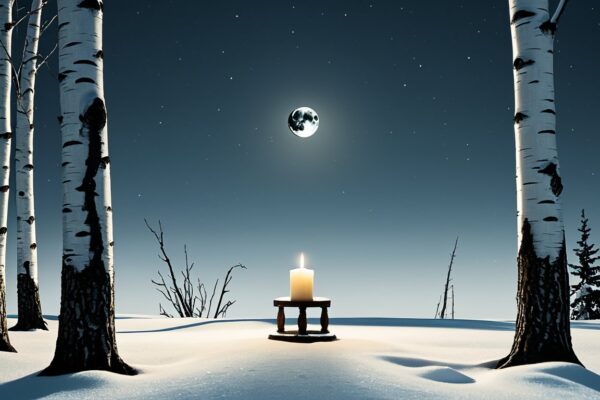
Light a single candle. Observe the flame for five minutes. In the tradition of the hearth fire, let this candle represent the internal warmth you carry. Notice how the flame is steady and centered, regardless of the air around it. This is the essence of Brigid energy: a centered, unwavering warmth.
Step 3: The Seed Invitation
Hold a seed or a small stone in your hand. Close your eyes and visualize a goal or a desire as a seed buried in dark, cool soil. Do not visualize the final result; instead, visualize the seed absorbing water and nutrients. Feel the tension of the seed just before it cracks open.
Step 4: The Written Vow
Write one single sentence on a piece of paper: I nurture the seed of [insert your intention] with patience and grace. Place this paper under the candle holder or near your plant.
Step 5: The Closing
Extinguish the candle and sit in silence for a few moments. Acknowledge that the work is now in the hands of time and nature. The tension is gone, and the process of growth has begun.
Safety Note: Always keep candles within sight and away from flammable materials. Ensure your space is well-ventilated.
Integrating the Fire and the Water
The balance of Imbolc is the balance of fire (passion and creativity) and water (emotion and intuition). To bridge these two, we can employ the principles of Mindfulness-Based Stress Reduction (MBSR).
Practice a body scan meditation. Start at the toes and move upward, noticing areas of tension (the winter frost) and consciously breathing warmth into those areas (the spring thaw). By observing the body without trying to change it immediately, you develop the patience required for the Imbolc transition. You learn to coexist with the cold while knowing that the warmth is inevitable.
This integration prevents the burnout that often occurs when people rush into spring with too much intensity. By combining the discipline of the forge with the fluidity of the stream, you create a sustainable path toward your goals.
The Wisdom of the Wait
The most difficult part of Imbolc is the waiting. In a world driven by instant gratification, the idea of incubation feels like a waste of time. However, nature teaches us that the most resilient growth happens slowly. A seed that is forced to sprout too early will perish in the first frost.
Bridging winter and spring is an exercise in trust. It is the realization that just because you cannot see progress on the surface does not mean that nothing is happening beneath. The roots are deepening. The energy is gathering. The bridge is being built.
By leaning into the energy of Brigid, we honor the necessity of the dark. We recognize that the winter was not a void, but a preparation. As you move forward from this season, carry the warmth of the hearth within you, and trust that your intentions are growing in their own time, protected and potent, waiting for the light.
Frequently Asked Questions
Is Imbolc the same as the Spring Equinox?
No, Imbolc occurs several weeks before the Equinox. While the Equinox marks the actual arrival of spring, Imbolc is the preparatory phase of anticipation and early awakening.
Do I need specific tools to connect with Brigid energy?
No, the essence of this energy is found in simple elements: fire, water, and the act of creation. A candle, a journal, and a quiet space are sufficient for these practices.
Can I practice Imbolc if I live in a climate where it is already warm?
Yes, because Imbolc is as much a psychological state as a seasonal one. Focus on the internal transition from reflection to intention, regardless of the external temperature.
This page describes what the Seasonal Magic tradition teaches and how people practise it. It is not a prediction and not medical, psychiatric or crisis advice. How we research and write · report an error