Osho
Jun 9, 2026
·
13 min read
·
Updated Jun 27, 2026
Beyond Stillness: How Osho’s Active Meditations Reshape
🕯 11 min read · June 9, 2026
Editorial Note · Breath pacing was tested for accessibility — seated and lying variations are included where helpful. Verified Jul 2026 against reader FAQ threads.
Beyond Stillness: How Osho’s Active Meditations Reshape Modern Mindfulness
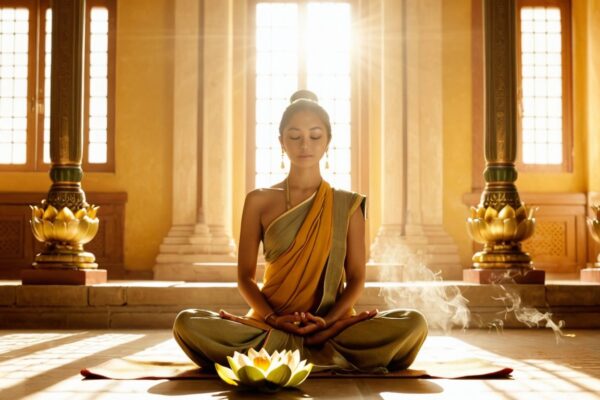
In a world increasingly seeking solace and clarity, the concept of mindfulness has become a beacon for many. Often, when we picture meditation, images of serene individuals sitting in quiet contemplation come to mind – a practice rooted in ancient traditions of stillness, breath awareness, and silent observation. While these forms of meditation offer profound benefits, they sometimes present a challenge for the modern mind, which is often overstimulated, restless, and burdened by unexpressed emotions.
This is where the revolutionary teachings of Osho, a controversial yet deeply influential spiritual master, offer an entirely different pathway to inner peace and awareness. Osho proposed that for contemporary humans, simply sitting still might not be the most effective starting point. Instead, he introduced a series of “active meditations” – dynamic, cathartic practices designed to first release accumulated tensions, suppressed emotions, and mental chatter, thereby paving the way for authentic, effortless stillness.
At AfterDarkIntuition.com, we believe in exploring the full spectrum of spiritual and personal growth. Osho’s active meditations represent a powerful, often misunderstood, dimension of this exploration. They challenge our preconceptions of what meditation should be, inviting us to move, shout, dance, and shake our way to a deeper state of presence. This article delves into the heart of Osho’s active meditations, exploring their unique philosophy, practical application, and why they are more relevant than ever in reshaping modern mindfulness for those who find traditional stillness elusive.
The Conventional Path: Stillness and Silent Observation
Before we dive into Osho’s innovative approach, it’s essential to understand the prevailing landscape of mindfulness and meditation. Traditional practices like Vipassana, Zazen, and various forms of breath-focused meditation emphasize quiet introspection. The core tenets typically involve:
Focusing on the Breath
The breath serves as an anchor, a constant point of return for the wandering mind. By observing the natural rhythm of inhalation and exhalation, practitioners aim to cultivate present moment awareness.
Body Scans and Sensory Awareness
Bringing gentle attention to different parts of the body, noticing sensations without judgment. This helps to ground the mind in the physical present.
Observing Thoughts and Emotions
Allowing thoughts and feelings to arise and pass without getting entangled in them. The goal is to become a detached witness to the inner landscape.
The benefits of these practices are well-documented: reduced stress and anxiety, improved focus, enhanced emotional regulation, and a greater sense of inner peace. They teach us patience, non-reactivity, and the power of sustained attention. However, for many individuals living in the high-octane pace of the 21st century, the initial hurdle of sitting still can feel insurmountable. Modern life often leaves us with a backlog of unexpressed anger, unreleased stress, and a restless mental energy that makes quiet contemplation feel more like torture than tranquility. This is precisely the gap Osho sought to bridge.
Osho’s Radical Departure: Why Active Meditation?
Osho’s philosophy was rooted in a deep understanding of the modern human condition. He observed that centuries of societal conditioning, repression, and intellectualization have created a profound disconnect between our minds, bodies, and emotions. We are taught to suppress our natural impulses, to be “civilized,” and to think rather than feel. This suppression, Osho argued, doesn’t make emotions disappear; it simply pushes them into the unconscious, where they fester and create tension, anxiety, and a constant internal noise.
“The modern man is a madman,” Osho famously said, “and to ask him to sit silently is like asking a madman to sit silently. He will go madder.” His insight was profound: before one can truly experience effortless stillness, one must first release the accumulated baggage. Active meditations are not a replacement for silent sitting, but rather a preparatory stage, a powerful cleansing process that makes genuine stillness accessible.
The Cathartic Imperative
Osho’s active meditations are primarily cathartic. They provide a safe and structured environment to express and release pent-up energies, emotions, and mental patterns that hinder inner peace. Instead of intellectualizing or analyzing these blockages, the meditations encourage direct, physical, and vocal expression. This might involve vigorous breathing, shaking, dancing, shouting, crying, or even speaking gibberish. The purpose is not to dwell on the emotion but to allow it to surface, be experienced fully, and then dissipate, leaving one feeling lighter, clearer, and more present.
Beyond the Head
Traditional meditation often begins by trying to quiet the mind. Osho contended that this is often futile for the modern person whose mind is constantly churning. His approach starts with the body and emotions. By engaging the physical self in dynamic movement and expression, the energy that is usually trapped in the head is allowed to flow, bringing a natural quietness to the mind. It’s a bottom-up approach to mindfulness, recognizing that the body is often the gateway to deeper awareness for those who are overly cerebral.
Key Principles of Osho’s Active Meditations
While each of Osho’s active meditations has its unique structure, several core principles underpin them all:
Expression and Release
This is perhaps the most defining characteristic. Participants are encouraged to fully express whatever arises – anger, joy, sadness, frustration – without judgment or inhibition. This isn’t about wallowing in emotions but allowing them a safe outlet to be released.
Movement and Energy
The body is seen as a vessel for energy. Through specific movements – shaking, dancing, jumping, chaotic breathing – stagnant energy is dislodged and allowed to flow freely. This physical engagement helps to bypass the analytical mind.
Sound and Vocalization
Many meditations incorporate sound, from deep humming to shouting or gibberish. Vocal expression is a powerful tool for releasing tension and accessing deeper emotional layers.
Witnessing and Awareness
Crucially, the active phases are always followed by periods of stillness and silence. The ultimate goal is not just to release, but to cultivate the capacity to *witness* the release and the subsequent silence. After the storm, the mind naturally settles, making it easier to observe without attachment.
Phased Approach
Most Osho active meditations are structured in distinct stages, often accompanied by specific music. These stages guide the practitioner through a journey from intense activity to deep relaxation and witnessing.
Exploring Signature Osho Active Meditations: Osho Dynamic Meditation
Among Osho’s many active meditations, Osho Dynamic Meditation stands out as one of the most well-known and potent. It is a one-hour meditation designed to be done early in the morning, ideally with empty stomach, and with eyes closed or blindfolded. This meditation is a powerful way to break old, ingrained patterns and experience a fresh, vibrant aliveness.
Step-by-Step Practice: Osho Dynamic Meditation
Osho Dynamic Meditation consists of five distinct stages, each lasting ten minutes, accompanied by specific music designed for the meditation.
#### Stage 1: Chaotic Breathing (10 minutes)
- **Action:** Stand with your feet shoulder-width apart, relaxed. Begin to breathe chaotically, deeply, rapidly, and without rhythm, focusing on the exhalation. Let the breath be intense, deep, and fast, going into your lungs as fully as possible. The body will begin to move on its own – allow it. Don’t hold back. Just let the breath do its work. The goal is to become the breathing, a complete chaos of breath.
- **Purpose:** To awaken the body’s energy and break through old patterns of holding back. This intense breathing helps to bring suppressed emotions and tensions to the surface.
#### Stage 2: Catharsis (10 minutes)
- **Action:** Explode! Let everything that needs to be thrown out, be thrown out. This is a time for total, uninhibited expression. Shout, scream, cry, laugh, jump, shake, dance, kick, throw your arms around. Don’t hold anything back. Let your body do whatever it wants to do. If you feel anger, be angry. If you feel sadness, be sad. If you feel joy, be joyful. Don’t intellectualize; just allow the raw energy to flow out.
- **Purpose:** To purge the accumulated garbage and suppressed emotions that hinder clarity and peace. This stage allows for a deep emotional and physical release.
#### Stage 3: Jumping and “Hoo!” (10 minutes)
- **Action:** With raised arms, jump up and down, shouting the mantra “Hoo! Hoo! Hoo!” as deeply as possible from your belly each time you land on the flats of your feet. Give your all. The sound should come from deep within your core, hitting your sex center. Continue this rhythmically, letting the sound and the jumping penetrate your entire being.
- **Purpose:** To gather and concentrate all remaining energy in the lower body and release it through the sound, pushing it upwards through the energy centers. This is a powerful centering and grounding stage.
#### Stage 4: Stop! (15 minutes)
- **Action:** When the music stops abruptly, freeze immediately, wherever you are and whatever position you are in. Do not change anything. A cough, a movement, anything will disperse the energy. Remain absolutely still, like a statue. Be a witness to everything that is happening inside and outside you.
- **Purpose:** To observe the energy that has been awakened and released. This stillness allows for deep introspection and the experience of pure awareness after the catharsis.
#### Stage 5: Celebration (15 minutes)
- **Action:** With music, celebrate! Dance, move, express your gratitude and joy. Let the music move your body, and allow the energy to flow freely and joyfully.
- **Purpose:** To integrate the experience, express gratitude, and bring the new, vital energy into your daily life.
Other Notable Osho Active Meditations:
- **Osho Kundalini Meditation:** A four-stage evening meditation involving shaking, dancing, sitting, and lying down. It’s a gentler way to release and let go at the end of the day.
- **Osho Nataraj Meditation:** A three-stage meditation of pure dance, followed by stillness and then celebration. It uses dance as a total meditation, where the dancer and the dance become one.
- **Osho Nadabrahma Meditation:** A sitting meditation using humming and hand movements to create an inner harmony, followed by stillness. It’s a powerful way to quiet the mind through sound.
The Benefits of Active Meditation for Modern Seekers
Osho’s active meditations offer a unique set of benefits particularly suited to the challenges of modern life:
Accessibility for Restless Minds
For those who struggle to sit still, active meditations provide an entry point into mindfulness. By engaging the body and emotions first, they circumvent the common frustration of a constantly chattering mind.
Profound Emotional Release and Healing
Many people carry emotional wounds and suppressed feelings from their past. Active meditations offer a safe, non-judgmental space to release these burdens, leading to deep emotional healing and a sense of lightness.
Increased Energy and Vitality
By clearing blockages and releasing stagnant energy, practitioners often report feeling more vibrant, alive, and energetic in their daily lives.
Deeper, More Authentic Stillness
The stillness achieved after an active meditation is not forced but arises naturally. It’s a stillness that comes from having cleared the path, leading to a more profound and effortless state of presence.
Integration of Mind, Body, and Spirit
These practices encourage a holistic approach, bringing together the physical, emotional, and mental aspects of being, fostering a greater sense of inner harmony.
Resilience in a High-Stress World
By regularly releasing stress and emotional tension, individuals can build greater resilience to the pressures of modern life, responding to challenges with more clarity and less reactivity.
Integrating Osho’s Wisdom into Your Practice
Approaching Osho’s active meditations requires an open mind and a willingness to step outside conventional comfort zones. It’s an invitation to explore the wilder, more expressive aspects of your being.
- **Start with an Open Mind:** Let go of preconceived notions about what meditation “should” be. Allow yourself to be fully present with the experience, without judgment.
- **Listen to Your Body:** While the meditations encourage intensity, always listen to your body’s signals. You can adjust the intensity to suit your comfort level, especially when starting out.
- **Find a Facilitator or Group:** Initially, practicing with an experienced facilitator or in a group setting can be incredibly beneficial. The collective energy of a group can amplify the experience and provide a sense of safety. However, many resources are available for individual practice at home.
- **Consistency is Key:** Like any spiritual practice, consistency yields the greatest results. Even a few times a week can bring significant shifts.
- **Embrace the Process:** The journey of active meditation is not always comfortable. There might be moments of intense emotion or physical exertion. Embrace these as part of the cleansing process.
For more insights into Osho’s teachings and their contemporary relevance, explore our dedicated section on [Osho’s Philosophy and Practice](/osho/). Here, you can delve deeper into the wisdom that underpins these powerful techniques and find resources to support your journey. Osho’s active meditations are not just exercises; they are profound tools for transformation, inviting us to go beyond the superficial layers of our being and discover the authentic stillness that lies within. They remind us that sometimes, to find peace, we must first allow ourselves to be fully, vibrantly, and even chaotically alive.
***
Frequently Asked Questions
Is Osho’s active meditation suitable for beginners who have never meditated before?
Absolutely. In fact, many beginners find Osho’s active meditations more accessible than traditional silent sitting because they provide a powerful outlet for physical and emotional energy, making it easier to eventually settle into stillness. An open mind and willingness to engage fully are the main requirements.
Do I need a facilitator or a group to practice Osho active meditations, or can I do them alone?
While experiencing these meditations with a trained facilitator or in a group can be very powerful due to the collective energy and guidance, it is entirely possible to practice them alone. Many online resources, including guided audio tracks, are available to help individuals practice effectively in their own space.
How often should I practice these meditations to experience their benefits?
The frequency depends on individual needs and lifestyle. Many practitioners find daily practice, especially of Osho Dynamic Meditation in the morning, to be deeply transformative. Others might choose to practice a few times a week. Even occasional practice can offer significant benefits in terms of stress release and emotional clarity.

Meditation & Yoga Teacher
Anil Prakash has practiced and taught meditation and pranayama for fifteen years across several traditions, from MBSR to the active methods of Osho. He writes step-by-step, evidence-aware guides and always notes contraindications and safe practice.
Read Anil Prakash's full profile →✦
Editorial Standards
Practices on AfterDarkIntuition are researched from depth psychology (Jung), established spiritual traditions, and contemporary therapeutic frameworks. They are for self-reflection and personal growth — not medical, psychiatric, or crisis care. If you are in crisis, please contact a licensed professional or emergency services. About our editorial approach →
Editorial Note
Written for self-reflection and spiritual exploration. Not medical or psychological advice. Our editorial standards →
Written for self-reflection and spiritual exploration. Not medical or psychological advice. Our editorial standards →