Energy & Protection
Jun 25, 2026
·
9 min read
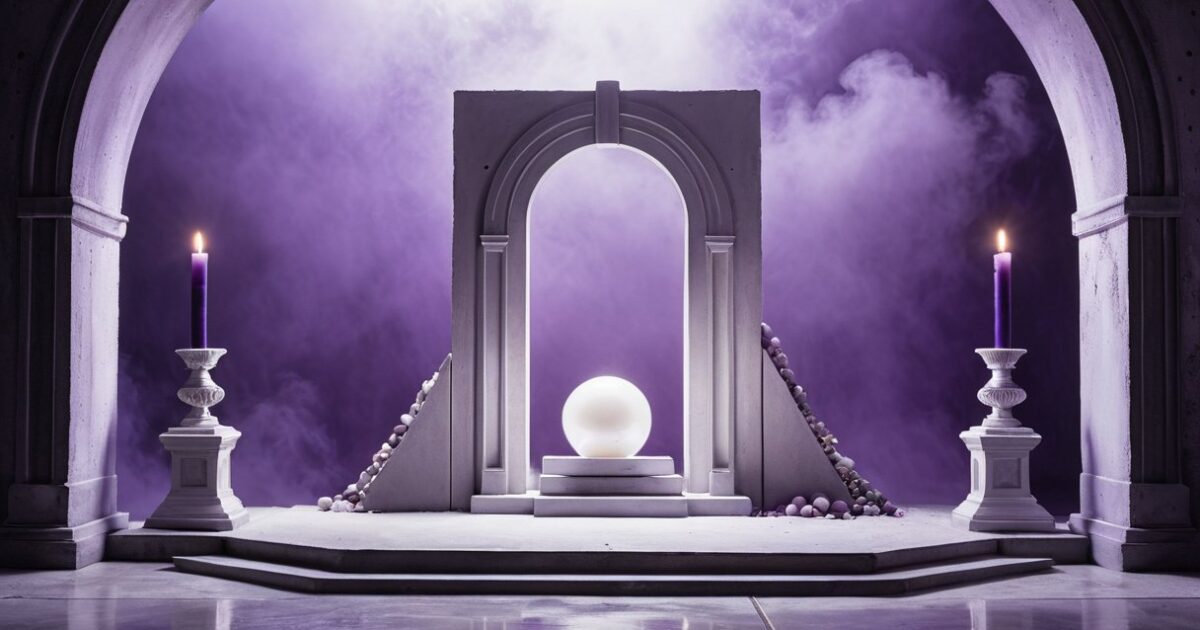
Creating a Sacred Space: Your Altar and Energy Room Guide
🕯 8 min read · June 25, 2026
Creating a Sacred Space: Your Altar and Energy Room Guide
Have you ever entered a room and felt an immediate shift in your internal state, a sudden sense of calm or a heavy weight of tension, without a single word being spoken? This is the visceral experience of energy architecture. Most of us spend our lives reacting to the environments we inhabit, whether it is the sterile hum of an office or the chaotic energy of a crowded city. However, the act of intentionally designing a sacred space allows you to stop reacting and start regulating. By creating an altar or a dedicated energy room, you are not merely decorating a corner of your home; you are establishing a psychological and spiritual anchor that signals to your nervous system that it is safe to descend from a state of survival into a state of being.
The Psychology of Sacred Space
The concept of a sacred space is not exclusive to religious dogma. From a psychological perspective, this practice aligns with what Carl Jung described as the necessity of creating a container for the unconscious. Jung emphasized the importance of symbols and archetypes in the process of individuation. When we curate a physical space with objects that hold personal or universal meaning, we create a bridge between our external reality and our internal psyche. The altar becomes a focal point, a visual representation of our intentions that helps the mind transition from the scattered noise of daily life into a state of focused introspection.
Furthermore, the establishment of a dedicated space for stillness mirrors the principles of Mindfulness Based Stress Reduction (MBSR). By designating a specific area for meditation or reflection, you utilize a cognitive trigger. Over time, the brain associates that specific physical location with a state of presence, making it significantly easier to enter a meditative state the moment you step across the threshold of your energy room.
Designing Your Energy Room
An energy room is more than just a meditation nook; it is a sanctuary designed to protect your peace and amplify your spiritual practice. The goal is to create an environment that minimizes sensory overload and encourages energetic equilibrium.
Selecting the Location
The placement of your space is the first step in energy protection. Ideally, choose a location that is quiet and removed from the high traffic areas of your home. In many traditional practices, such as Vastu Shastra or Feng Shui, the flow of energy is considered paramount. While you do not need to be an expert in these systems, the basic principle is to avoid placing your sanctuary directly in front of a door or under a heavy beam, which can create a feeling of instability or restlessness.
Managing the Sensory Environment
To transition from the mundane to the sacred, address the four primary senses:
Lighting: Avoid harsh overhead fluorescent lighting. Instead, use warm, dimmable lamps or beeswax candles. Soft lighting signals to the pineal gland that it is time to wind down, facilitating a deeper state of relaxation.
Sound: Silence is powerful, but if your environment is noisy, consider low frequency sounds. Using a singing bowl or a white noise machine can mask disruptive external sounds, creating an auditory cocoon.
Scent: Olfactory triggers are the fastest way to shift a mood. Use high quality essential oils or incense. Frankincense and sandalwood have been used for millennia in various traditions to ground the practitioner and clear the mental clutter.
Tactility: The physical touch of your space matters. Incorporate natural textures such as cotton, wool, or silk. A dedicated yoga mat or a firm cushion, as recommended in the Iyengar yoga tradition for proper spinal alignment, ensures that your physical body is supported, allowing the mind to let go.
The Art of the Altar
An altar is the heartbeat of your sacred space. It is a curated collection of symbols that represent your values, your lineage, and your aspirations. It is not about the monetary value of the objects, but the intention assigned to them.
The Four Elements
A balanced altar often incorporates the four classical elements to represent a holistic view of existence:
Earth: Represented by a stone, a bowl of salt, or a small plant. Earth provides grounding and stability, reminding the practitioner of their connection to the physical world.
Air: Represented by incense, a feather, or a bell. Air symbolizes the intellect, communication, and the breath.
Fire: Represented by a candle or an oil lamp. Fire symbolizes transformation, willpower, and the spark of consciousness.
Water: Represented by a small bowl of fresh water or a seashell. Water symbolizes intuition, emotion, and the fluidity of life.
Integrating Tools of Insight
Many practitioners integrate tools for reflection and divination into their altars. When using the Rider Waite Smith (RWS) tarot deck, for example, the altar serves as a stable surface for laying out cards, turning the practice into a structured dialogue with the subconscious rather than a casual game. Similarly, those who work with the Elder Futhark runes may keep their stones in a leather pouch on the altar, using them as prompts for contemplation on specific archetypal themes. It is important to remember that these tools are not for predicting a fixed fate, but for providing a mirror to your current psychic landscape.
Step by Step: Setting Up Your Space Tonight
You do not need an entire room to start. A small table or even a floating shelf can serve as a powerful anchor. Follow these steps to establish your space this evening:
Step 1: Physical Clearing. Begin by cleaning the area. Dusting and tidying are acts of mindfulness. As you clean, visualize yourself removing the stagnant energy of the day.
Step 2: Defining the Boundary. Use a rug, a circle of salt, or simply a mental boundary to mark where the mundane world ends and the sacred space begins. This creates a psychological perimeter of protection.
Step 3: Placing the Centerpiece. Place your most meaningful object in the center. This could be a photograph of a mentor, a sacred text, or a symbol of your faith.
Step 4: Adding the Elements. Arrange your earth, air, fire, and water symbols around the centerpiece. Arrange them symmetrically to create a sense of order and balance.
Step 5: The Activation. Sit in your space for five minutes in complete silence. Take three deep breaths. Set a clear intention, such as: This space is for my peace, my growth, and my protection.
Energy Protection and Maintenance
A sacred space is a living entity; it requires regular maintenance to remain a source of renewal. If the space becomes cluttered or neglected, it can begin to feel heavy or stagnant.
The Practice of Energetic Hygiene
Once a week, perform a simple clearing ritual. This could involve opening the windows to let in fresh air or using a bell to break up stagnant energy. In many traditions, the act of smudging with dried herbs is common, though the primary mechanism is the intentionality of the act and the shift in scent.
Safety Considerations
Safety is a prerequisite for serenity. When using candles or incense, always ensure there is adequate ventilation and that flames are kept away from curtains or flammable materials. Never leave a candle unattended. If you live in a rental or a space where open flames are prohibited, high quality LED candles can serve the same symbolic purpose.
Integrating the Space into Your Daily Life
The true power of a sacred space is realized through consistency. The goal is not to visit the space only during a crisis, but to integrate it into a daily rhythm.
Morning Alignment: Spend five minutes at your altar before starting your day. This prevents you from entering the world in a reactive state and allows you to set a conscious intention for how you wish to show up in your life.
Evening Decompression: Use the space to shed the energetic residue of the day. This is where the principles of MBSR are most effective—observing your thoughts and emotions without judgment as you transition from the role of the professional or parent back into the role of the individual.
The Emotional Depth of the Sanctuary
Beyond the tools and the aesthetics, the sacred space is a testament to your commitment to yourself. In a world that constantly demands our attention, dedicating a physical area to your own spiritual well-being is a radical act of self-care. It is a place where you are allowed to be vulnerable, where you can face your shadows without fear, and where you can cultivate a relationship with the silence.
When you step into your energy room, you are telling yourself that your inner life is valuable. You are creating a sanctuary where the noise of the external world fades, leaving only the truth of your own presence. This practice does not offer a magical escape from the challenges of life, but it provides the resilience and clarity needed to face those challenges with a steady heart.
Frequently Asked Questions
Do I need expensive crystals or rare antiques to make my space sacred?
No. The sanctity of a space comes from the intention and the meaning you assign to the objects. A simple stone from a favorite beach or a handwritten note can be more powerful than an expensive object if it holds genuine personal significance.
What should I do if I live in a small apartment and cannot have a separate room?
Create a micro-sanctuary. A small tray or a specific corner of a dresser can function as an altar. The key is the consistency of the location and the mental boundary you create when you approach that space.
How do I know if my space is working?
You will notice a shift in your physiological response. If you find that your heart rate slows and your mind becomes quieter more quickly when you enter the space, the environmental triggers are successfully signaling your nervous system to relax.
This page describes what the Energy & Protection tradition teaches and how people practise it. It is not a prediction and not medical, psychiatric or crisis advice. How we research and write · report an error