Tarot
Jun 8, 2026
·
12 min read
Daily Tarot: How to Pull One Card and Use It Intentionally
🕯 10 min read · June 8, 2026
Editorial Note · This tarot piece was fact-checked against positional meanings and reader FAQ threads — no generic keyword stuffing.
Daily Tarot: How to Pull One Card and Use It Intentionally
About this guide: The sections above explain context and symbolism. The protocol below is a documented method you can practice tonight — grounded in established traditions, not invented rituals or guaranteed predictions.
Have you ever woken up with a lingering sense of restlessness, a feeling that there is a subtle current moving beneath the surface of your day that you simply cannot name? Perhaps you have felt that the noise of the modern world—the notifications, the deadlines, the endless mental checklists—has drowned out the quiet frequency of your own intuition. For many of us, the tarot is often viewed as a tool for grand revelations or predicting the distant future. We turn to the cards when we are in crisis or seeking a map for the next six months of our lives. But the true magic of the tarot does not always lie in the macro view. The most profound transformations often occur in the micro moments: the quiet breath before a difficult conversation, the sudden realization during a morning commute, or the gentle nudge to be more patient with yourself.
Pulling a single card each morning is not about predicting the future; it is about setting a spiritual frequency. It is a ritual of intentionality that transforms a random sequence of hours into a conscious journey. When you commit to a daily one card practice, you are essentially asking the universe for a theme, a mirror, or a warning. You are choosing to move through your day not as a passenger, but as an active participant in your own spiritual evolution.
The Philosophy of the Single Card Pull
To understand the power of the one card pull, we must first shift our perspective on what divination actually is. Many beginners approach the tarot as a fortune telling tool, believing the card they pull is an immutable fate. However, in the tradition of intuitive guidance, the card is not a sentence; it is a suggestion. It is a symbolic seed planted in the garden of your consciousness.
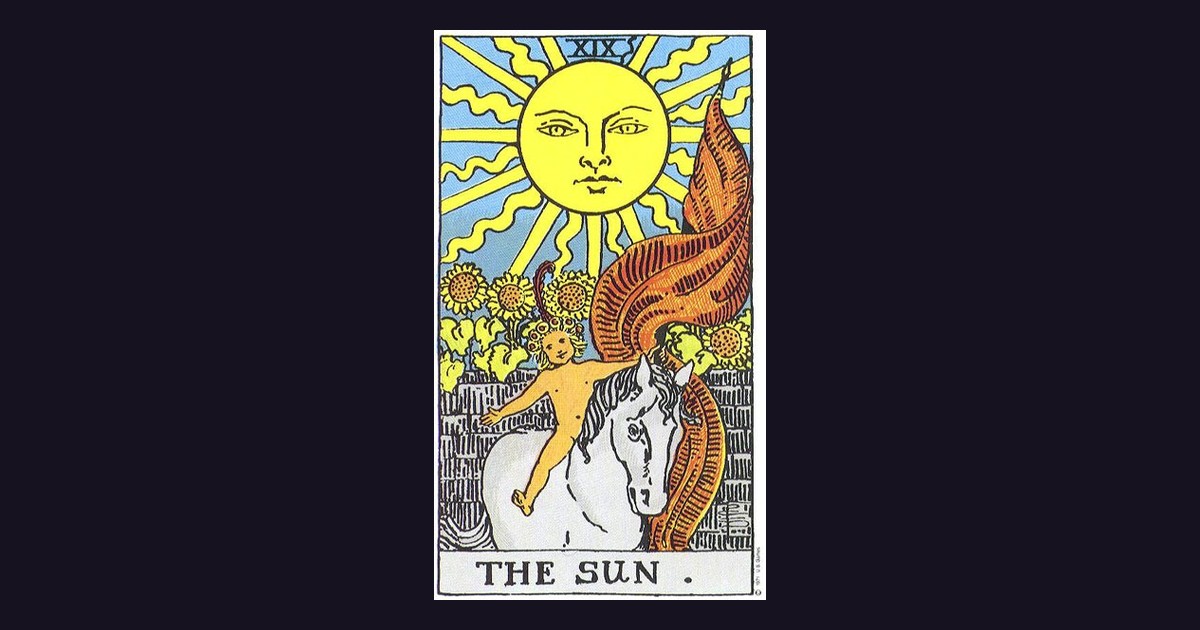
When you pull one card, you are narrowing your focus. In a complex ten card spread, the mind often gets lost in the narrative, trying to connect dots and solve a puzzle. With a single card, there is nowhere to hide. You are presented with one image, one archetype, and one energy. This simplicity forces a deeper level of introspection. If you pull the Three of Swords, you are not necessarily destined for heartbreak today; instead, you are invited to acknowledge where grief resides in your body or where a truth needs to be accepted. If you pull the Sun, you are not guaranteed a lottery win, but you are encouraged to embody radiance and joy regardless of your external circumstances.
The intentionality lies in the transition from the reading to the living. The goal is to move the card from the table into your bloodstream.
Creating Your Sacred Space for the Morning Ritual
The effectiveness of your daily pull depends heavily on the energy you bring to the moment. If you pull a card while rushing to put on your shoes or while scrolling through emails, the experience becomes another chore on your to list. To make this a spiritual practice, you must create a boundary between the mundane world and the intuitive space.
Start by clearing your physical and energetic space. This does not require an elaborate altar, though a simple candle or a piece of clear quartz can help signal to your subconscious that it is time to shift gears. Take three deep breaths. On the first breath, release the remnants of yesterday. On the second, clear the anxieties of today. On the third, open your heart to receive guidance.
As you shuffle your deck, avoid the temptation to demand an answer. Instead, use an open ended invitation. Phrases like, What energy should I embody today? or What lesson is available for me in the next twenty four hours? are far more productive than asking, Will I get that promotion today? The former invites growth; the latter invites anxiety.
The Step by Step Process of the Intentional Pull
Once you have centered yourself, the physical act of pulling the card begins. Whether you prefer to fan the cards out or pull from the top of the deck, do so with a sense of curiosity. As the card reveals itself, resist the urge to immediately reach for the guidebook. The guidebook provides the traditional architecture, but your intuition provides the interior design.
The First Impression: The Visceral Response
The moment the card hits the table, notice your immediate emotional reaction. Do you feel a sudden tightening in your chest? A spark of excitement? A wave of boredom? This visceral response is your intuition speaking before your logical mind takes over. If you pull the Nine of Swords and feel a sense of relief, perhaps you are finally releasing a long held fear. If you pull the Ace of Pentacles and feel a sense of pressure, you may be overthinking your financial security. Record this feeling in a journal.
The Symbolic Connection: Finding Your Anchor
Look closely at the imagery. Every card is a landscape of symbols. In the Rider Waite Smith tradition, the colors, the posture of the figures, and the elements in the background all carry meaning. Look for one specific detail that resonates with you. Perhaps it is the way the clouds are swirling in the background of the Star card, or the specific shade of yellow in the Seven of Pentacles. This detail becomes your anchor for the day. When you see that color or a similar shape in the real world later on, it serves as a spiritual reminder to return to the energy of your card.
The Translation: Turning Symbolism into Action
This is where most practitioners stop, but this is where the real work begins. To use the card intentionally, you must translate the archetype into a concrete action.
For example, if you pull the Queen of Swords, the traditional meaning is intellectual clarity and boundaries. Instead of just thinking, I will be clear today, create a specific intention: I will speak my truth clearly and kindly during the 2 PM meeting, and I will not apologize for my expertise.
If you pull the Two of Cups, which signifies partnership and harmony, your intention might be: I will look for a moment of genuine connection with a stranger or a loved one and give them my undivided attention.
Integrating the Energy Throughout the Day
The challenge of the daily pull is maintaining the connection once the ritual is over. The world is loud, and it is easy to forget the card by noon. To prevent this, you need integration triggers.
One of the most effective methods is the digital reminder. Take a photo of your card and set it as your phone lock screen. Every time you check your notifications, you are reminded of your intention. Alternatively, write a one word summary of the card on a small piece of paper and tuck it into your pocket or wallet.
Throughout the day, perform periodic check ins. During a lunch break or a transition between tasks, ask yourself: How is the energy of the High Priestess showing up in this moment? Am I listening to my inner voice, or am I reacting from a place of noise? By doing this, you turn the tarot into a living meditation.
Navigating Difficult Cards with Grace
Many people feel a sense of dread when they pull cards like Death, the Tower, or the Ten of Swords. It is common to think, Oh no, today is going to be a bad day. This is a fundamental misunderstanding of the tarot. No card is inherently bad; every card is simply a different frequency of human experience.
When a challenging card appears, view it as a protective warning or a call for healing. If the Tower appears, it does not necessarily mean your life will collapse. It may mean that a specific illusion you have been clinging to is ready to break, freeing you for something more authentic. The Tower is not about destruction; it is about the removal of what no longer serves you.
When you pull a difficult card, your intention should be one of observation and grace. Instead of fearing the energy, decide how to navigate it. An intention for the Ten of Swords might be: I acknowledge that a cycle has ended, and I give myself permission to rest and recover.
The Power of the Tarot Journal
To truly master the art of the daily pull, you must keep a record. A tarot journal is not just a log of cards; it is a map of your subconscious patterns. After your day has concluded, return to your journal and reflect on the card.
Ask yourself: Where did I see this card in my interactions? Did the card predict an event, or did it describe a mood? Where did I resist the energy of the card, and why? Over time, you will notice patterns. You might find that you pull the Four of Swords every time you are on the verge of burnout, or that the Page of Wands appears whenever you are about to start a new creative project. This longitudinal data allows you to see the rhythms of your life more clearly, turning the tarot into a tool for profound self discovery.
Living the Archetype
Ultimately, pulling one card a day is an act of spiritual alignment. It is a way of telling yourself that your inner life is just as important as your external obligations. By choosing a theme and weaving it into the fabric of your day, you stop reacting to life and start creating it. You move from a state of survival into a state of presence.
Whether you are navigating a period of intense growth or a season of quiet reflection, the cards provide a language for the things that are often too subtle for words. By practicing this ritual with consistency and curiosity, you cultivate a relationship with your intuition that is grounded, reliable, and deeply empowering. You begin to realize that the magic is not in the cardboard and ink, but in your willingness to see the divine patterns playing out in the ordinary moments of your existence.
May your daily pull be a lighthouse, guiding you back to your center and reminding you that every single day is an opportunity to consciously evolve, to heal, and to step fully into your own power.
Frequently Asked Questions
What should I do if I feel the card I pulled doesn’t fit my day at all?
Trust your intuition over the traditional meaning. Sometimes a card represents a subconscious process that isn’t visible in your external events, or it may be highlighting a blind spot you aren’t yet aware of.
Do I have to use the same deck every day?
While using one deck helps you build a deep relationship with its specific symbolism, switching decks can provide fresh perspectives. Use a different deck if you feel your current one has become too predictable or if you need a different energetic vibration.
Can I pull a card for someone else’s day?
It is generally best to pull for yourself to avoid projecting your own biases onto others. If you wish to guide someone else, ask for their permission first and encourage them to pull their own card to empower their own intuitive journey.
Step-by-Step Practice Protocol
The protocols below come from documented spiritual, psychological, or contemplative traditions. They support self-reflection and skill-building — not medical diagnosis, crisis care, or literal prediction of future events.
This is a standard reflective tarot session — you use the cards as symbolic prompts for honest self-inquiry, not fortune-telling.
Time needed: 15–25 minutes
- Prepare: sit at a clean surface, one question written in a journal (one sentence, present-tense). Breathe 4 counts in, 6 counts out, three times.
- Shuffle while holding the question; stop when it feels complete (often 1–3 minutes). Cut the deck once with your non-dominant hand.
- Draw the spread your article describes (or three cards: context · challenge · guidance). Place cards left to right.
- Before opening a guidebook, note first impressions: colors, figures, direction figures face, your bodily response.
- Record upright/reversed orientation, 3 keywords per card, and one sentence linking each card to your question.
- Write one concrete action for the next 48 hours inspired by the Advice theme — small and measurable.
- Close: summarize the spread in your own words; store date, question, and cards drawn for later review.
Tradition & references: Rider-Waite-Smith deck structure; reflective reading methods taught in books such as Rachel Pollack’s 78 Degrees of Wisdom and Mary K. Greer’s Tarot for Your Self.

Tarot & Symbolism Specialist
Mara Vey has read tarot and Elder Futhark runes for over a decade and writes on the psychology of symbols. She approaches divination as a tool for reflection rather than fortune-telling, grounding every reading in documented tradition.
Read Mara Vey's full profile →✦
Editorial Standards
Practices on AfterDarkIntuition are researched from depth psychology (Jung), established spiritual traditions, and contemporary therapeutic frameworks. They are for self-reflection and personal growth — not medical, psychiatric, or crisis care. If you are in crisis, please contact a licensed professional or emergency services. About our editorial approach →
Editorial Note
Written for self-reflection and spiritual exploration. Not medical or psychological advice. Our editorial standards →
Written for self-reflection and spiritual exploration. Not medical or psychological advice. Our editorial standards →