Tarot
Jun 8, 2026
·
15 min read
·
Updated Jul 5, 2026
How to Read Tarot Cards for Beginners: A Complete Step-by-St
🕯 9 min read · June 8, 2026
Editorial Note · We checked this spread against Rider-Waite reversals and common misreads before publishing. Each step names what to notice in the draw, not recycled keyword lists.
How to Read Tarot Cards for Beginners: A Complete Step-by-Step Guide
About this guide: The sections above explain context and symbolism. The protocol below is a documented method you can practice tonight — grounded in established traditions, not invented rituals or guaranteed predictions.
Have you ever stared at a deck of Tarot cards and felt a strange pull toward the imagery, only to feel completely overwhelmed by the complexity of the seventy eight cards? Perhaps you have held a deck in your hands, sensing that these symbols hold a mirror to your subconscious, but you lack the bridge to translate those images into meaningful insight. You are not alone. The transition from seeing Tarot as a mystical curiosity to using it as a tool for psychological and spiritual clarity is a journey of learning a new language—the language of symbols.
Tarot is not a crystal ball that predicts a fixed, unchangeable fate. Instead, it is a system of archetypes. By utilizing the Rider Waite Smith (RWS) tradition, the most widely studied system in the West, you can use these cards to access your intuition and examine your current life trajectory through a structured lens. This guide provides a grounded, step by step approach to starting your practice tonight.
Understanding the Architecture of the Tarot Deck
Before you draw your first card, you must understand the map of the deck. A standard Tarot deck is divided into two primary sections: the Major Arcana and the Minor Arcana.
The Major Arcana: The Life Path
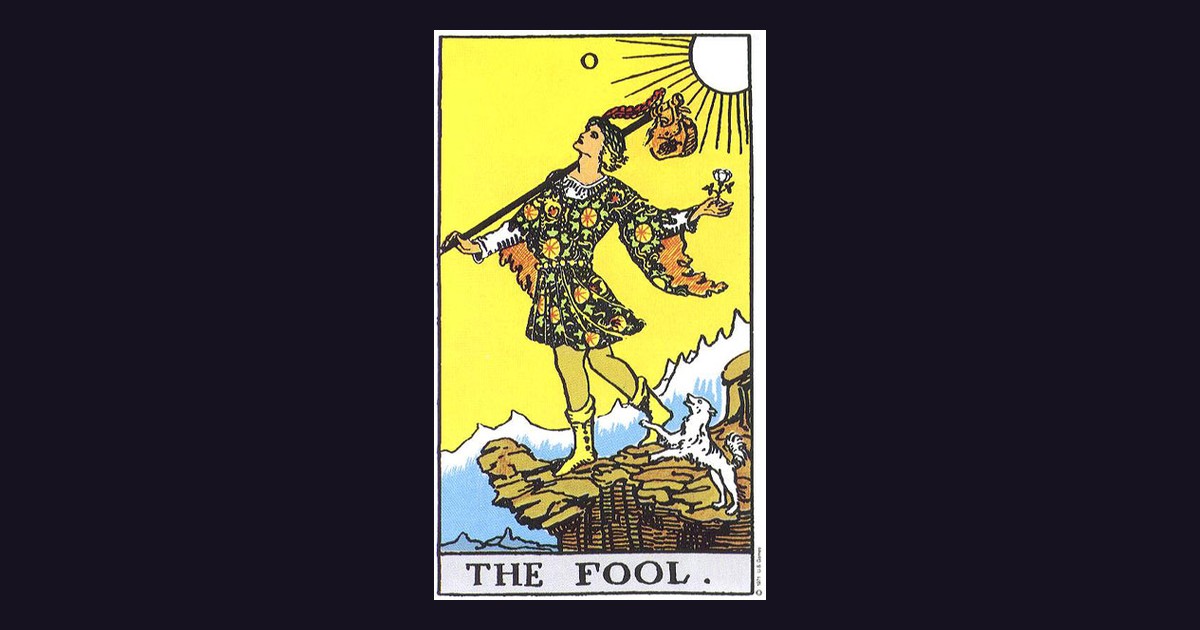
The twenty two cards of the Major Arcana represent the overarching themes of the human experience. These are the archetypes. From The Fool to The World, these cards describe the spiritual journey known as The Fool’s Journey. When a Major Arcana card appears in a reading, it usually signifies a significant life lesson, a karmic turning point, or a broad psychological shift. For example, The Tower represents sudden upheaval, while The Star represents hope and renewal. These cards deal with the big picture rather than the day to day details.
The Minor Arcana: The Daily Experience
The remaining fifty six cards are the Minor Arcana. These deal with the mundane, practical aspects of life—your emotions, your conflicts, your ambitions, and your physical environment. The Minor Arcana is divided into four suits, each corresponding to a specific element:
Wands (Fire): Energy, passion, ambition, and creativity.
Cups (Water): Emotions, relationships, intuition, and healing.
Swords (Air): Intellect, communication, conflict, and decision making.
Pentacles (Earth): Finances, work, physical health, and stability.
Each suit consists of numbered cards from Ace through Ten, followed by four Court Cards (Page, Knight, Queen, and King), which often represent personality types or specific people in the querents life.
Preparing Your Space and Mindset
Tarot is most effective when the reader is in a state of focused presence. To achieve this, you can integrate practices from Mindfulness Based Stress Reduction (MBSR) to center your energy. Before beginning, take five minutes to practice a brief grounding exercise: sit with a straight spine, close your eyes, and observe the sensation of your breath without trying to change it. This shifts your brain from a state of frantic analysis to a state of receptive awareness.
Create a quiet environment. While you do not need an elaborate altar, a clean surface and a moment of silence help minimize external distractions. The goal is to create a psychological container where you feel safe to explore your inner thoughts and emotions honestly.
Step by Step Guide to Your First Reading
You do not need years of study to begin. You can start tonight by following these structured steps.
Step 1: Selecting and Bonding with Your Deck
For beginners, the Rider Waite Smith deck is highly recommended because its imagery is the foundation for most modern tutorials. Once you have your deck, spend time with it. Shuffle the cards slowly. Look at each image and notice which ones evoke a visceral emotional response. This process of familiarization helps you build a relationship with the visual vocabulary of the system.
Step 2: Framing Your Question
The quality of your reading depends entirely on the quality of your question. Avoid yes or no questions, as these limit the cards’ ability to provide nuance. Instead, ask open ended questions that empower you to take action.
Instead of asking: Will I get the job?
Ask: What energies should I focus on to improve my chances of getting the job?
Instead of asking: Does this person love me?
Ask: What is the current dynamic between me and this person, and how can I foster healthier communication?
Step 3: The Shuffle and the Draw
Shuffle the cards in whatever way feels natural to you. Some prefer the overhand shuffle, while others prefer to spread the cards on a table and mix them. As you shuffle, keep your question focused in your mind. When you feel a sense of completion, draw a single card.
Step 4: Interpreting the Image
Before reaching for a guidebook, look at the card. This is where you engage your intuitive faculties. Ask yourself: What is happening in the scene? What are the colors telling me? How does the figure in the card feel?
If you draw the Three of Swords, you might see a heart pierced by swords against a grey sky. Even without a book, the imagery suggests grief or heartbreak. By observing the image first, you connect the card to your own emotional experience before the academic definition takes over.
Step 5: Consulting the Tradition
Now, look up the traditional meaning of the card in your guidebook. Compare the traditional meaning with your initial intuitive hit. The truth usually lies at the intersection of the two. If the book says the card represents a new beginning, but you feel a sense of anxiety looking at it, the reading might be suggesting that this new beginning is causing you stress.
Developing Your Intuitive Faculty
Many beginners struggle because they try to memorize hundreds of meanings. Instead, treat Tarot as a tool for projection, a concept explored by psychologist Carl Jung. Jung suggested that we project our unconscious thoughts onto external symbols. In this sense, the Tarot acts as a mirror. The card does not tell you the future; it reflects a part of your subconscious that you may have been ignoring.
To develop this skill, try a Daily Draw. Every morning, pull one card and ask: What energy should I be aware of today? At the end of the day, reflect on how that card manifested in your life. This builds a personal dictionary of meanings that is far more valuable than any textbook.
Ethical Considerations and Safety
Tarot is a tool for guidance, not a replacement for professional expertise. It is critical to maintain a grounded boundary regarding what Tarot can and cannot do.
Do not use Tarot for medical diagnoses or as a substitute for psychiatric care. If a card suggests health issues, use it as a prompt to visit a licensed medical professional, not as a diagnosis. Similarly, avoid using Tarot to make high stakes legal or financial decisions without consulting a qualified expert.
Avoid the trap of fatalism. If you draw a card that feels negative, such as the Ten of Swords, do not view it as an inevitable disaster. View it as a signal that a certain cycle is ending or that a particular way of thinking is no longer serving you. The cards show tendencies and energies, not fixed destinies.
Expanding Your Practice
Once you are comfortable with single card draws, you can move toward simple spreads. The Three Card Spread is the most versatile for beginners:
Past: The root of the situation.
Present: The current energy or challenge.
Future: The likely outcome if the current path remains unchanged.
As you grow, you may explore more complex systems, but remember that simplicity often leads to the most profound insights. The goal is not to be a psychic, but to be an observer of your own life.
Integrating Insight into Action
The final and most important step of any reading is integration. A reading that does not lead to a change in consciousness or action is merely a game of chance. Once you have interpreted your cards, ask yourself: What is the one actionable step I can take based on this insight?
If your reading suggests you are feeling burnt out (represented by the Ten of Wands), the action might be to delegate one task at work or schedule a day of rest. By turning the symbolic insight into a tangible action, you move from passive observation to active manifestation.
The beauty of Tarot lies in its ability to slow us down. In a world of instant answers and digital noise, the act of laying out cards and contemplating symbols is a meditative process. It encourages you to sit with uncertainty and look at your life from a different angle. Whether you use it for spiritual growth, psychological exploration, or simple self reflection, Tarot serves as a bridge between the conscious mind and the depths of the intuition. By approaching the practice with humility, curiosity, and a grounded mindset, you transform a deck of cards into a lifelong companion for personal evolution.
Frequently Asked Questions
Do I need to be spiritually gifted to read Tarot?
No, Tarot is a skill based on symbol recognition and intuition. Anyone can learn to read the cards through practice and study of the archetypal system.
Can I read cards for other people right away?
It is recommended to practice on yourself first to build confidence. When reading for others, always establish clear boundaries and remind them that the reading is for guidance, not absolute prediction.
Is it bad to draw certain cards like Death or The Devil?
No, these cards rarely mean literal death or evil. Death typically symbolizes transformation and endings, while The Devil often represents attachment or limiting beliefs.
Step-by-Step Practice Protocol
The protocols below come from documented spiritual, psychological, or contemplative traditions. They support self-reflection and skill-building — not medical diagnosis, crisis care, or literal prediction of future events.
This is a standard reflective tarot session — you use the cards as symbolic prompts for honest self-inquiry, not fortune-telling.
Time needed: 15–25 minutes
- Choose a Rider-Waite-Smith deck; spend 10 minutes looking at each Major Arcana card — name one emotion per card.
- Learn deck structure: 22 Majors (life themes) + 56 Minors (daily matters in four suits).
- Daily draw: one card each morning; journal keyword + one application before reading any book meaning.
- Three-card spread: Past · Present · Future — write one sentence per position before consulting references.
- Keep a tarot journal for 14 days; review patterns in suits and numbers drawn.
- Join a study group or use accredited books (Pollack, Greer) — avoid memorizing without personal card dialogue.
Tradition & references: Rider-Waite-Smith deck structure; reflective reading methods taught in books such as Rachel Pollack’s 78 Degrees of Wisdom and Mary K. Greer’s Tarot for Your Self.
✦ Frequently Asked Questions

Tarot & Symbolism Specialist
Mara Vey has read tarot and Elder Futhark runes for over a decade and writes on the psychology of symbols. She approaches divination as a tool for reflection rather than fortune-telling, grounding every reading in documented tradition.
Read Mara Vey's full profile →✦
Editorial Standards
Practices on AfterDarkIntuition are researched from depth psychology (Jung), established spiritual traditions, and contemporary therapeutic frameworks. They are for self-reflection and personal growth — not medical, psychiatric, or crisis care. If you are in crisis, please contact a licensed professional or emergency services. About our editorial approach →
Editorial Note
Written for self-reflection and spiritual exploration. Not medical or psychological advice. Our editorial standards →
Written for self-reflection and spiritual exploration. Not medical or psychological advice. Our editorial standards →