Yoga
Jun 8, 2026
·
10 min read
·
Updated Jul 10, 2026
Kundalini Yoga: Activating Your Life Force Energy
🕯 8 min read · June 8, 2026
Editorial Note · Our editors verified claims here against cited sources — we update when readers flag gaps or new research appears. Focus: Kundalini Yoga: Activating Your.
# Kundalini Yoga: Activating Your Life Force Energy
About this guide: The sections above explain context and symbolism. The protocol below is a documented method you can practice tonight — grounded in established traditions, not invented rituals or guaranteed predictions.
Have you ever felt a sudden, inexplicable surge of electricity coursing through your spine during a moment of deep meditation? Or perhaps you have experienced a wave of intense emotion—joy, grief, or raw power—that seemed to rise from the base of your being, sweeping upward until it cleared your mind and opened your heart? This is the whisper of the serpent. In the ancient traditions of the East, this dormant potential is known as Kundalini, the primordial energy that resides at the root of the human experience, waiting for the right moment and the right practice to awaken.
To enter the world of Kundalini Yoga is to step beyond the physical stretching of the body and enter the realm of energetic alchemy. While Hatha yoga focuses on the alignment of the physical frame, Kundalini Yoga is often called the yoga of awareness. Its primary objective is not flexibility, but the awakening of the Kundalini energy, lifting it from the base of the spine to the crown of the head, thereby unlocking higher states of consciousness and spiritual liberation.
The Architecture of the Awakened Spine
To understand how to activate this energy, we must first understand the map of the subtle body. According to yogic science, our physical body is overlaid with an energetic grid consisting of nadis (channels) and chakras (energy centers).
The most critical of these channels are the Ida and Pingala. Ida represents the lunar, feminine, cooling energy, flowing along the left side of the spine. Pingala represents the solar, masculine, heating energy, flowing along the right. When these two currents are out of balance, we feel fragmented, anxious, or lethargic. The goal of Kundalini practice is to balance these two polarities so that energy can enter the Sushumna, the central channel that runs directly up the spinal column.
When the Kundalini energy—symbolized as a coiled serpent—is awakened at the Muladhara (Root Chakra), it begins its ascent. As it pierces through each chakra, it clears emotional blockages and psychic debris. By the time the energy reaches the Sahasrara (Crown Chakra), the practitioner experiences a state of Samadhi, or spiritual enlightenment, where the individual consciousness merges with the universal consciousness.
The Three Pillars of Activation: Kriya, Pranayama, and Mantra
Kundalini Yoga does not rely on a single technique but rather a sophisticated combination of tools known as a Kriya. A Kriya is a complete set of exercises designed to achieve a specific result, such as clearing the subconscious mind or strengthening the nervous system.
The Power of Breathwork and Pranayama
Breath is the bridge between the conscious and the unconscious. In Kundalini practice, pranayama is used to move energy that is otherwise stagnant. One of the most potent tools is Breath of Fire. This is a rapid, rhythmic, equal exchange of breath through the nose, creating a bellows-like effect in the diaphragm.
Breath of Fire acts as a psychic vacuum, clearing the nadis and heating the body. This heat, known as Tapas, is essential because it burns through the mental impurities that keep the Kundalini energy dormant. When you engage in this breath, you are not just oxygenating the blood; you are stirring the dormant fire at the base of the spine, preparing the vessel for a higher voltage of energy.
The Vibration of Mantra
Sound is a frequency, and every frequency carries a specific emotional and spiritual signature. In Kundalini Yoga, mantras are used to tune the mind to a certain vibration. The most famous of these is the Sat Nam mantra. Sat means Truth, and Nam means Identity. By chanting Sat Nam, you are affirming your true identity as a divine being.
Mantra works by bypassing the critical, doubting mind and speaking directly to the subconscious. When combined with a specific mudra (hand gesture) and a focused gaze (drishti), a mantra becomes a key that unlocks specific energetic gates within the body.
The Role of Asana and Mudra
Unlike the slow, flowing transitions of Vinyasa, Kundalini asanas are often held for specific durations to build internal pressure and focus. These postures are designed to create a physical environment where energy can flow upward. Mudras, such as the Gyan Mudra (where the thumb and index finger touch), act as electrical switches, directing the flow of prana to specific parts of the brain or heart.
Practical Steps for the Modern Practitioner
For those beginning their journey, the process of awakening should be approached with reverence and patience. Forcing the energy upward without proper preparation can lead to what is known as a Kundalini crisis—a state of emotional instability or physical discomfort. The key is gradual preparation.
Creating Your Sacred Space
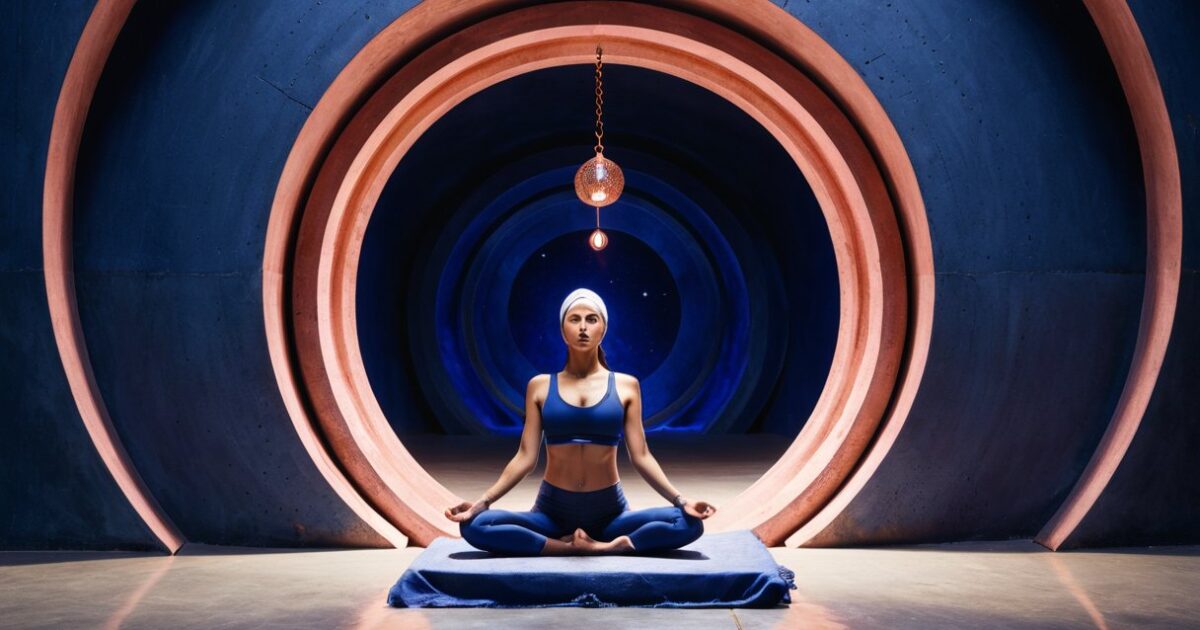
Before you begin, establish a boundary. Light a candle, clear the clutter from your room, and set a clear intention. The intention might be as simple as, I am open to my highest self, or I seek clarity in my purpose. This mental framing tells your subconscious that it is safe to release stored energy.
A Simple Daily Practice for Beginners
If you are new to this path, try this gentle sequence to begin shifting your energy:
- Spinal Flex: Sit in a comfortable cross-legged position. Inhale as you arch your spine, lifting the chest and looking slightly upward. Exhale as you round your spine, tucking the chin toward the chest. This movement pumps the cerebrospinal fluid and awakens the nervous system.
- The Breath of Balance: Close your right nostril and inhale through the left. Close the left and exhale through the right. Repeat this for five minutes. This balances the lunar and solar energies, preparing the Sushumna channel for the ascent of energy.
- Focused Meditation: Sit in stillness for ten minutes. Visualize a golden light at the base of your spine. With every inhale, imagine this light rising slowly, inch by inch, moving through your pelvic floor, your solar plexus, your heart, and your throat, until it blooms like a lotus at the crown of your head.
Navigating the Emotional Wave
As the life force energy begins to move, you may experience unexpected emotional releases. You might suddenly feel an intense urge to cry without a known reason, or you may feel an overwhelming sense of love for all living beings. This is a sign that the energy is clearing blockages in the chakras.
The secret to navigating this process is surrender. Do not analyze the emotion; simply witness it. If you resist the energy, it creates tension. If you flow with it, it transforms you. This is the process of spiritual alchemy—turning the lead of trauma and limitation into the gold of awareness and freedom.
The Grounding Balance
A common mistake in spiritual practice is focusing solely on the ascent. If you spend all your time in the upper chakras, you may feel ungrounded, airy, or disconnected from physical reality. To avoid this, it is essential to integrate grounding practices.
After a session of Kundalini activation, spend a few minutes walking barefoot on the earth, eating a hearty meal, or focusing your attention on the weight of your body pressing into the floor. This ensures that the high-frequency energy you have awakened is integrated into your physical life, allowing you to be both spiritual and practical, both mystical and grounded.
Living the Awakened State
Activating your life force energy is not about achieving a fleeting peak experience; it is about changing the way you exist in the world. When your Kundalini is flowing, you notice a shift in your perception. You become more intuitive, your resilience increases, and you move through life with a sense of grace rather than struggle.
You begin to realize that the energy you sought from external sources—validation, success, or romantic love—has actually been residing within you all along, coiled and waiting. The practice of Kundalini Yoga is simply the process of remembering who you are.
As you continue this journey, remember that the path is not a straight line. There will be days of profound expansion and days of quiet integration. Trust the rhythm of your own unfolding. The serpent does not rush its shedding of the skin; it happens in its own time, and when it is complete, the creature emerges renewed, vibrant, and ready for a new stage of existence.
May your practice be a bridge to your highest potential. May you find the courage to face the shadows that the light reveals, and may the fire of your spirit illuminate not only your own path but the paths of all those you encounter. You are a vessel of infinite light, and the awakening is not a destination, but a beautiful, lifelong dance of becoming.
Frequently Asked Questions
Is Kundalini Yoga safe for everyone to practice?
While generally safe, those with high blood pressure, certain heart conditions, or severe psychological instability should consult a healthcare provider or a certified instructor. It is always recommended to start slowly and under the guidance of an experienced teacher to ensure the energy is integrated safely.
How long does it take to feel the effects of Kundalini activation?
Some feel an immediate shift in mood or energy after a single session, while for others, it is a gradual unfolding over months or years. The experience varies based on an individual’s energetic makeup and the consistency of their practice.
What is the difference between Kundalini and Hatha yoga?
Hatha yoga primarily focuses on physical postures and alignment to balance the body. Kundalini yoga uses a combination of breath, sound, and specific movements to target the endocrine and nervous systems to awaken the dormant spiritual energy at the base of the spine.
Step-by-Step Practice Protocol
The protocols below come from documented spiritual, psychological, or contemplative traditions. They support self-reflection and skill-building — not medical diagnosis, crisis care, or literal prediction of future events.
Physical yoga as breath-synchronized movement — modify for injuries; avoid pain.
Time needed: 20–40 minutes
- Warm-up: 5 minutes gentle joint circles (neck, shoulders, hips, ankles).
- Surya Namaskar A: 3–5 rounds, inhale on extension, exhale on fold — move at breath pace, not speed.
- Standing sequence: Warrior I & II (30 sec each side), Triangle (30 sec each side), Tree (30 sec each side).
- Pranayama: 4-7-8 breath × 4 cycles (inhale 4, hold 7, exhale 8) seated comfortably.
- Savasana: lie flat 5–8 minutes; body scan head to toe.
- Note any pain > mild stretch; use blocks and skip poses as needed. Consult physician before starting if you have cardiovascular issues.
Tradition & references: Traditional Hatha sequences (Surya Namaskar as documented in Light on Yoga by B.K.S. Iyengar); pranayama ratios from classical texts (Yoga Sutras of Patanjali commentary).

Meditation & Yoga Teacher
Anil Prakash has practiced and taught meditation and pranayama for fifteen years across several traditions, from MBSR to the active methods of Osho. He writes step-by-step, evidence-aware guides and always notes contraindications and safe practice.
Read Anil Prakash's full profile →✦
Editorial Standards
Practices on AfterDarkIntuition are researched from depth psychology (Jung), established spiritual traditions, and contemporary therapeutic frameworks. They are for self-reflection and personal growth — not medical, psychiatric, or crisis care. If you are in crisis, please contact a licensed professional or emergency services. About our editorial approach →
Editorial Note
Written for self-reflection and spiritual exploration. Not medical or psychological advice. Our editorial standards →
Written for self-reflection and spiritual exploration. Not medical or psychological advice. Our editorial standards →