Crystals
Jun 25, 2026
·
9 min read
Labradorite: The Stone of Magic and Transformation
🕯 7 min read · June 25, 2026
Labradorite: The Stone of Magic and Transformation
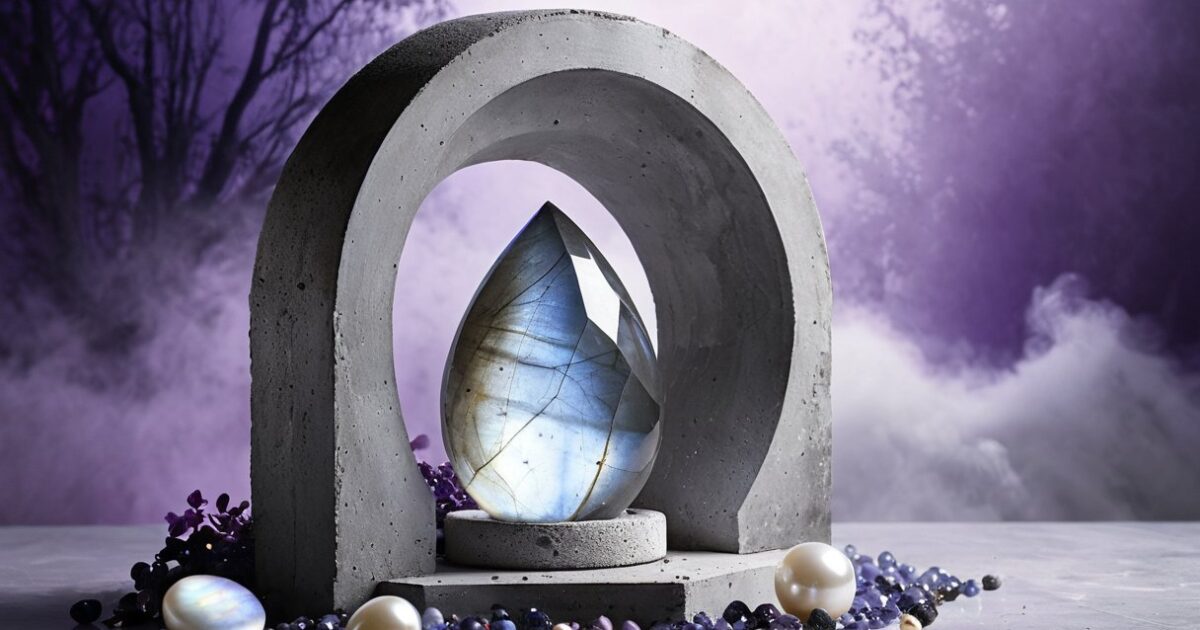
Have you ever held a stone that seemed to hold a trapped nebula within its depths? At first glance, Labradorite often appears as a somber, greyish-green rock, unassuming and quiet. But as you tilt it toward the light, a sudden flash of electric blue, gold, or iridescent green erupts from the surface. This optical phenomenon, known as labradorescence, serves as a perfect metaphor for the stone’s metaphysical reputation: the revelation of hidden truths and the sudden spark of insight emerging from the darkness.
In the realm of crystal healing and metaphysical study, Labradorite is rarely viewed as a stone of simple comfort. Instead, it is regarded as a catalyst for change. It is the stone of the bridge, connecting the conscious mind with the subconscious, and the physical self with the spiritual aspiration. For those navigating a period of transition, this gemstone acts as a grounding anchor that simultaneously encourages the expansion of consciousness.
The Geology of Light and Shadow
To understand the spiritual properties of Labradorite, one must first appreciate its physical composition. A member of the feldspar group, Labradorite is a plagioclase feldspar characterized by a specific internal structure that refracts light. This creates the shimmering effect that has fascinated mineralogists and mystics alike for centuries.
From a symbolic perspective, this duality is central to its use. The dark base represents the void, the unknown, and the shadow self, while the flashes of color represent the awakening of the spirit. In the context of Carl Jung’s psychological framework, Labradorite mirrors the process of individuation. Jung proposed that psychological wholeness is achieved by integrating the shadow—those hidden or repressed parts of our personality—into the conscious self. Labradorite is often used as a focal point during this process, reminding the practitioner that beauty and insight are often found within the parts of ourselves we have previously ignored.
Metaphysical Properties and Spiritual Utility
Labradorite is traditionally associated with the Third Eye and Crown chakras, the energy centers linked to intuition, perception, and spiritual connection. Unlike crystals that provide a gentle, soothing energy, Labradorite is often described as an energizer of the psyche.
Protection and the Auric Field
In metaphysical traditions, Labradorite is frequently utilized as a shield for the aura. It is believed to prevent energy leaks and protect the practitioner from external emotional influences. Rather than acting as a wall, it is viewed as a filter, allowing the user to remain open to the world while remaining anchored in their own center. This makes it a preferred stone for those who work in high-stress environments or those who are naturally empathetic and prone to emotional exhaustion.
Awakening Intuition and Mental Clarity
The stone is deeply linked to the concept of psychic awakening. However, in a grounded spiritual practice, this does not mean predicting the future, but rather enhancing the ability to perceive patterns and synchronize with the rhythms of one’s own intuition. It encourages a state of mental alertness, helping the user move past cognitive biases to see a situation as it truly is.
Integrating Labradorite into Established Practices
To move beyond the aesthetic appeal of the stone, one can integrate Labradorite into recognized mindfulness and spiritual frameworks to enhance personal growth.
Mindfulness and the MBSR Approach
Mindfulness-Based Stress Reduction (MBSR), developed by Jon Kabat-Zinn, emphasizes non-judgmental awareness of the present moment. Labradorite can be used as a tactile anchor during MBSR practices. By holding the stone during a body scan or mindful breathing exercise, the practitioner can use the physical sensation of the cold stone and the visual shift of its colors to return their focus to the now whenever the mind wanders. The stone becomes a physical reminder that change is constant and that stability is found in awareness, not in the absence of movement.
Tarot and the Arcana of Change
In the Rider-Waite-Smith (RWS) tarot tradition, the theme of transformation is most prominently represented by the Death card and the Tower card. While these images can be intimidating, they represent the necessary dismantling of old structures to make room for new growth. When studying these cards, placing a piece of Labradorite on the table can help the practitioner approach the concept of ending and beginning with curiosity rather than fear. The stone encourages the user to look for the silver lining—the iridescent flash—within the collapse of an old identity.
The Elder Futhark and the Rune of Change
The Elder Futhark, the oldest form of the runic alphabet, contains the rune Dagaz, which represents the dawn and the breakthrough. Dagaz symbolizes the moment of transformation where darkness turns to light. Using Labradorite while meditating on the Dagaz rune helps the practitioner align with the energy of a fresh start. It is a practice of acknowledging the darkness of the night while trusting in the inevitable arrival of the morning.
A Practical Guide for Your Evening Practice
If you wish to incorporate Labradorite into your routine tonight, you do not need a complex altar or expensive tools. The following steps are designed to ground the stone’s energy into a tangible, psychological practice.
Step 1: Preparation
Cleanse your space. This can be as simple as lighting a candle or opening a window to let fresh air circulate. Find a quiet place where you will not be interrupted for twenty minutes.
Step 2: Centering
Sit in a comfortable position. If you are familiar with Iyengar yoga, you might choose a seated posture with a straight spine to ensure an open channel for breath. Hold the Labradorite in your non-dominant hand, which is traditionally considered the receiving hand.
Step 3: The Observation Phase
Close your eyes and take three deep breaths. Upon opening your eyes, look at the stone. Slowly tilt it back and forth, watching the colors emerge and disappear. Do not try to force the light; simply observe it. This mirrors the practice of witnessing your own thoughts without attaching to them.
Step 4: The Integration Inquiry
Ask yourself a question regarding a transition you are currently facing. Instead of seeking a yes or no answer, ask: What is the hidden opportunity in this challenge? As you gaze into the stone, allow your mind to drift. The goal is not to receive a supernatural message, but to trigger a subconscious association that leads to a personal epiphany.
Step 5: Closing
Place the stone on your nightstand or under your pillow. As you move toward sleep, acknowledge that you are in a state of flux and that this movement is a natural part of the human experience.
Safety and Maintenance
While Labradorite is a durable stone (measuring 6 to 6.5 on the Mohs scale), it should be handled with care to avoid chipping. From a safety perspective, it is important to remember that crystals are complementary tools and should never replace professional medical or psychological treatment.
To maintain the stone, it can be cleansed with a dry microfiber cloth. While some traditions suggest using water, it is best to avoid harsh chemicals or prolonged exposure to extreme heat, which can affect the stone’s structural integrity.
The Psychology of the Shimmer
The appeal of Labradorite lies in its refusal to be one thing. It is grey, then blue; it is dark, then bright. This reflects the fundamental truth of the human condition: we are multifaceted and ever-changing. By working with this stone, the practitioner accepts that they do not have to be a finished product.
The magic of Labradorite is not found in a spell or a miracle, but in the shift of perception. It teaches us that the light is always there, even in the darkest stone, waiting for the right angle and the right light to be revealed. This is the essence of transformation—not the creation of something new, but the revelation of what was already present, hidden beneath the surface.
In a world that often demands certainty and rigid identity, Labradorite invites us to embrace the iridescent uncertainty of becoming. It reminds us that the process of change is not something to be feared, but a dance between the shadow and the light, leading us toward a more integrated and authentic version of ourselves.
Frequently Asked Questions
How do I know if Labradorite is the right stone for me?
This stone is generally suited for individuals experiencing major life transitions, those seeking to enhance their intuition, or those who feel emotionally drained by their environment. If you are drawn to its play of light and feel a need for mental clarity, it is a fitting choice.
Can Labradorite be used for sleep?
Yes, many people place it near their bed to promote a sense of security and to encourage vivid, insightful dreams. However, because it is an energizing stone, some may find it too stimulating; if you find it disrupts your sleep, move the stone to a different area of the room.
Does Labradorite need to be charged by the moon?
While many traditions suggest charging crystals under the full moon to enhance their lunar associations, this is a matter of personal preference and ritual comfort. The stone’s physical properties remain the same regardless of lunar exposure.
This page describes what the Crystals tradition teaches and how people practise it. It is not a prediction and not medical, psychiatric or crisis advice. How we research and write · report an error