Rituals
Jul 17, 2026
·
12 min read
Places of Power: 15 Sacred Sites Around the World Where the Earth Speaks Louder

🕯 9 min read · July 17, 2026
Every culture that ever watched the sky or buried its dead has known this: the Earth is not evenly quiet. There are places where something gathers — call it energy, presence, telluric current, or simply the weight of ten thousand years of prayer. Pilgrims cross deserts for them. Empires build temples on them, and when those empires fall, new faiths build churches on the same exact stones. Places of power are the planet’s oldest open secret.
What follows is a journey through fifteen of them — from megaliths in English fields to a frozen lake in Siberia — with the stories, traditions, and practical wisdom each one carries. Whether you travel with a backpack or from your armchair, these places have a way of traveling back with you.
What makes a place a “place of power”?
Three threads braid together at almost every sacred site on Earth. First, geology: fault lines, underground water, magnetic anomalies, unusual rock — the land itself is different there, and sensitive people feel it as tingling, stillness, or sudden emotion. Second, continuity of devotion: humans have prayed, sung, and grieved at these places for millennia, and ritual leaves residue the way footsteps wear a path in stone. Third, threshold quality — these are edges between worlds: mountain meets sky, desert meets spring, cave meets underworld. Power lives at boundaries.
1. Stonehenge — Wiltshire, England
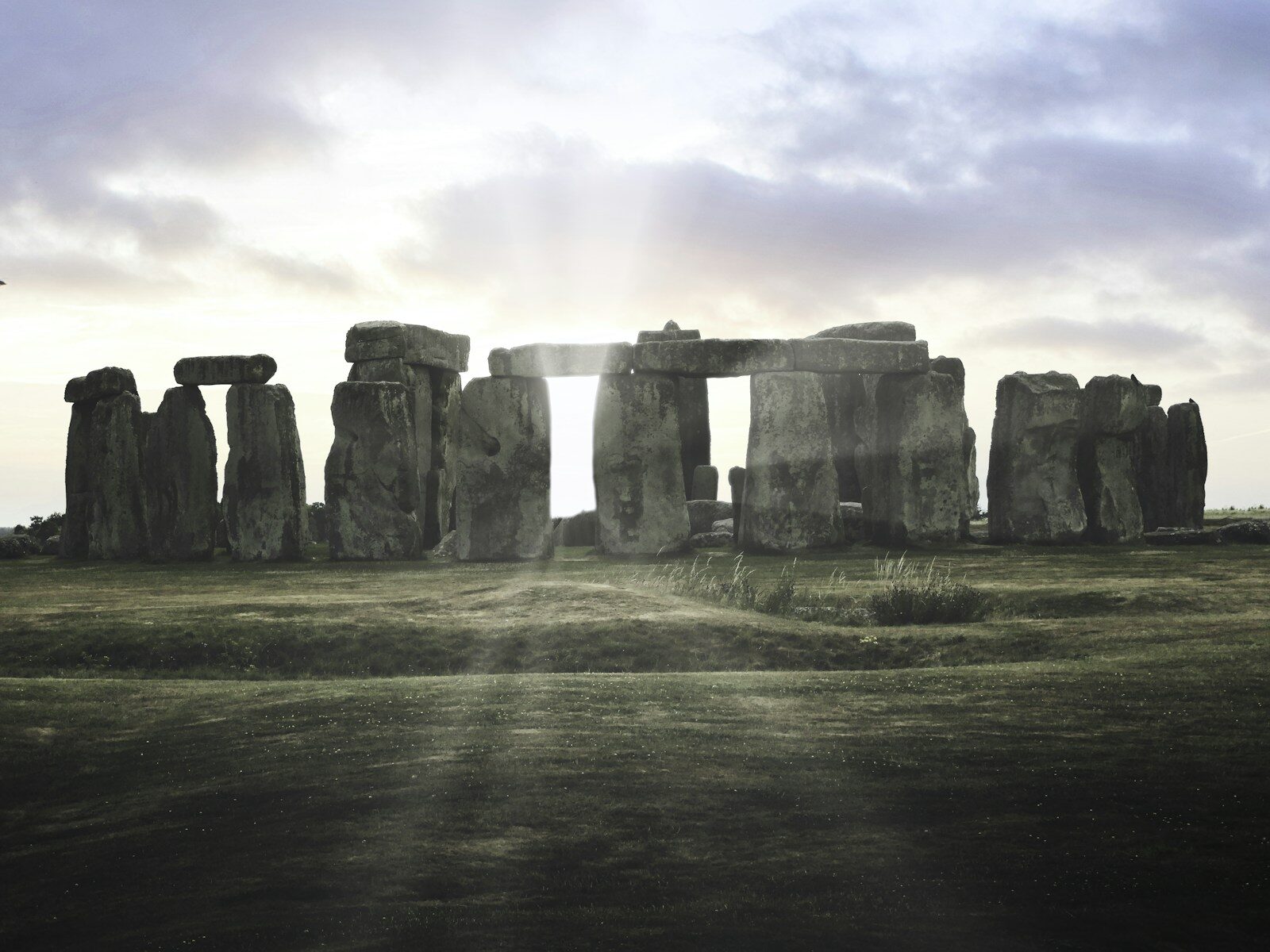
The most famous circle of stones on Earth is also the most misunderstood. Stonehenge is not a single monument but the heart of a vast ritual landscape of burial mounds, processional avenues, and older timber circles. Its bluestones were hauled 250 kilometres from the Preseli Hills of Wales — a feat so absurd for the Neolithic that the stones themselves must have been considered alive. At summer solstice the rising sun threads the exact axis of the circle. Druids, astronomers, and archaeologists argue about what it was for; nobody argues about what it feels like at dawn, when mist lies in the ditch and the stones hum with cold.
2. Glastonbury Tor — Somerset, England
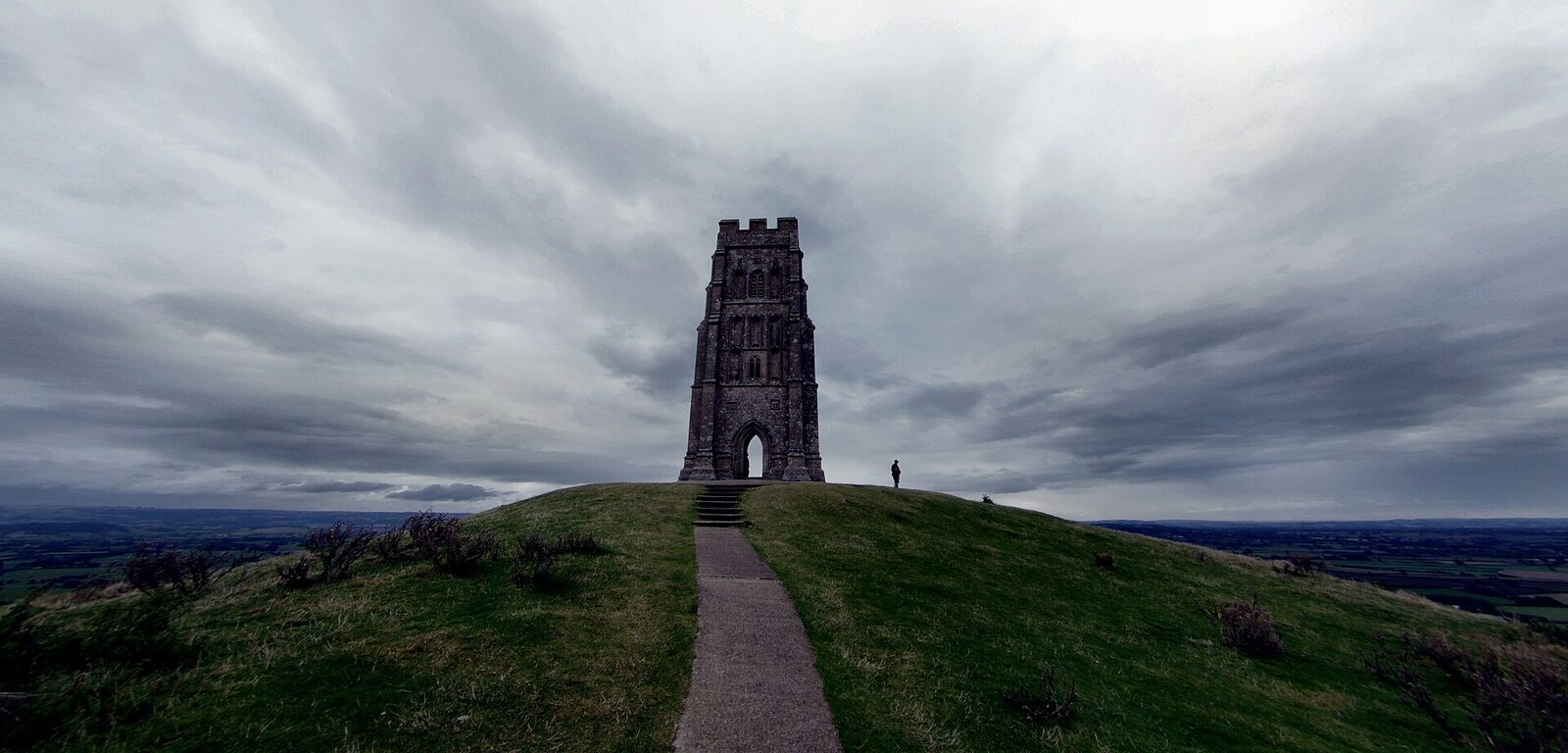
A green pyramid rising out of the Somerset Levels, crowned by a lone medieval tower. Glastonbury is layered myth: the Isle of Avalon where King Arthur was carried to die, the meeting point of the Michael and Mary ley lines, the site of one of Britain’s earliest churches. At its foot flow two springs — one red with iron, one white with calcite — that have never frozen or failed. Climb the Tor at dusk and the land below dissolves into water-light, and you understand why the Celts called this an island of the dead and the ever-living at once.
3. Mount Kailash — Tibet
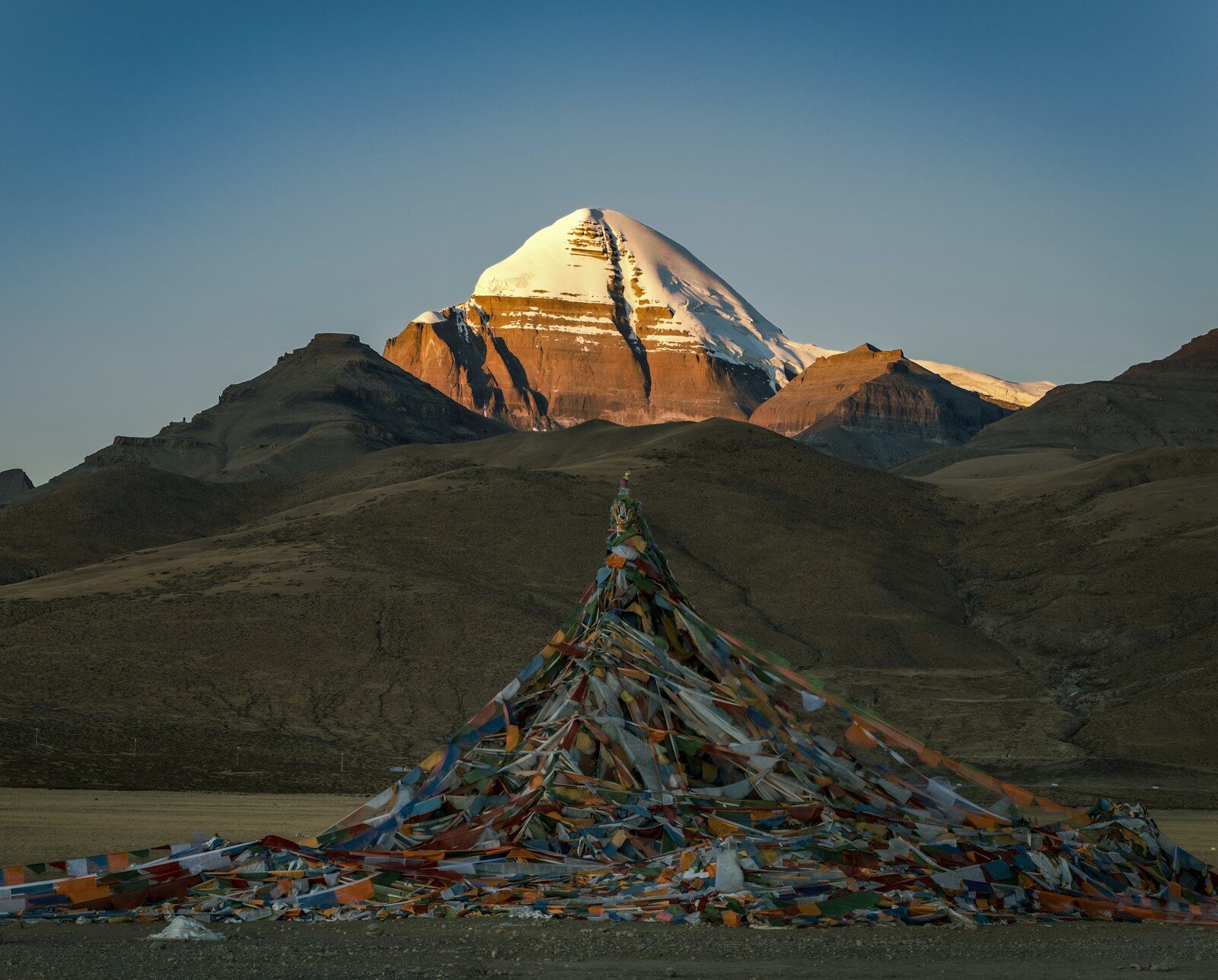
Four religions — Hinduism, Buddhism, Jainism, and Bön — agree on one thing: this mountain is the centre of the world. Shiva meditates on its summit; Buddhists know it as Mount Meru, the axis of the universe. No human being has ever climbed it — not because it is technically impossible, but because it is unthinkable. Instead, pilgrims walk the 52-kilometre kora around its base, some completing the circuit in prostrations that take weeks. One circuit is said to erase the sins of a lifetime; 108 circuits, the sins of all lifetimes. The mountain’s four faces align almost perfectly with the cardinal directions, and four of Asia’s great rivers rise within a hundred kilometres of it.
4. Varanasi — India
The oldest continuously inhabited city on Earth sits where the Ganges bends north, as if the river itself paused to pray. Hindus believe that to die in Varanasi is to step off the wheel of rebirth entirely. The ghats burn day and night; the same fire, tended by one family, has reportedly not gone out in three thousand years. It is not a gentle place — it is death and devotion at full volume — and that is precisely its power. Varanasi does not let you look away from the one truth every spiritual path eventually faces.
5. Machu Picchu — Peru
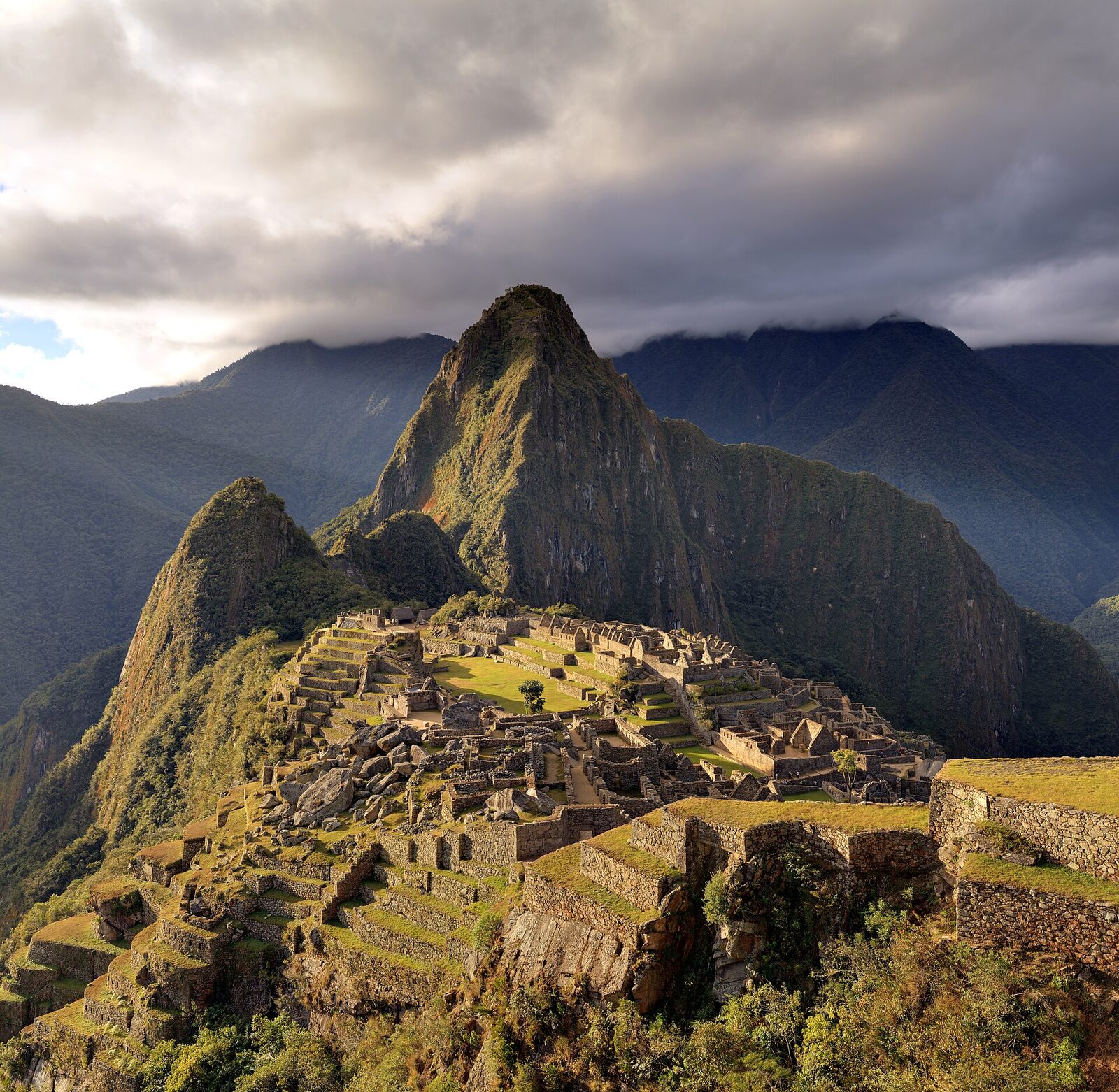
The Incas built their citadel in the clouds with such precision that blades of grass will not fit between the stones — and then abandoned it so completely that the Spanish never found it. The Intihuatana stone, the “hitching post of the sun,” still casts no shadow at the equinox noon. Andean priests say the mountain itself, Huayna Picchu, is a sleeping apu — a mountain spirit — and that the whole site sits on a crossing of seques, the invisible lines that radiated from the Inca capital like a web of light.
6. Lake Titicaca — Peru & Bolivia
The highest navigable lake in the world is, in Andean cosmology, the womb of everything: the sun, the moon, and the first Inca all rose from its waters. The Isla del Sol still holds shrines where offerings of coca leaves and flowers are made to Pachamama. At 3,800 metres, the air is thin, the light is surgical, and the silence over the water has a texture you can almost touch.
7. Uluru — Australia
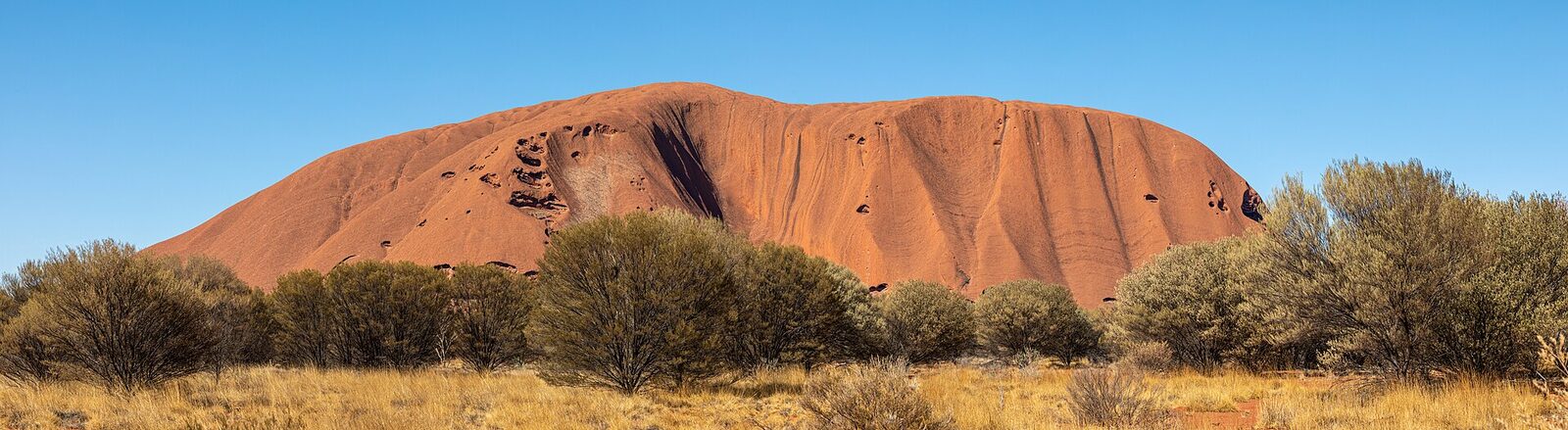
A single piece of sandstone, five hundred million years old, glowing red in the desert like an ember that refuses to die. For the Anangu people, Uluru is not scenery — it is scripture. Every fold and cave records the journeys of ancestral beings from the Tjukurpa, the Dreaming. Climbing it was finally banned in 2019 at the custodians’ request; the power of the place was never on its summit anyway, but in walking its ten-kilometre base at dawn, when the rock changes colour minute by minute like something breathing.
8. Sedona — Arizona, USA
Among the red rock cathedrals of Sedona, four sites — Airport Mesa, Cathedral Rock, Bell Rock, and Boynton Canyon — are famous as energy vortexes: places where visitors consistently report tingling hands, spontaneous emotion, and vivid meditation. Sceptics point to the beauty; practitioners point to the twisted junipers, whose spiralling growth is said to trace the energy itself. Either way, the Yavapai people held these canyons sacred long before the first crystal shop opened, and the land keeps its own counsel.
9. Mount Shasta — California, USA
A solitary volcano visible for a hundred miles, wrapped in more legends per square metre than almost anywhere in America: the Lemurian city of Telos beneath it, angelic encounters on its slopes, the Native Shasta peoples’ creator who lives inside the peak. John Muir wrote that his blood turned to wine at the sight of it. Whatever one believes, Shasta has a documented gravitational and magnetic strangeness, and a way of appearing in dreams before people ever see it in waking life.
10. Delphi — Greece
The ancients called it the omphalos — the navel of the world. For a thousand years the Pythia sat above a chasm in Apollo’s temple and spoke oracles that started wars and crowned kings. Modern geology found the twist: two fault lines cross directly beneath the temple, and the rock once released ethylene — a sweet, trance-inducing gas. Science explained the mechanism and explained nothing at all: why here, why a thousand years, why do visitors still fall silent walking up the Sacred Way?
11. The Giza Plateau — Egypt
The last surviving wonder of the ancient world is aligned to true north with an error of three-sixtieths of one degree — precision modern builders would struggle to repeat. The Great Pyramid sits at the exact centre of the Earth’s landmass. Whatever it was — tomb, machine, initiation chamber, all three — standing in the King’s Chamber, where granite walls ring like a bell when struck, is an acoustic and psychological experience no photograph prepares you for.
12. Lake Baikal & Olkhon Island — Siberia, Russia
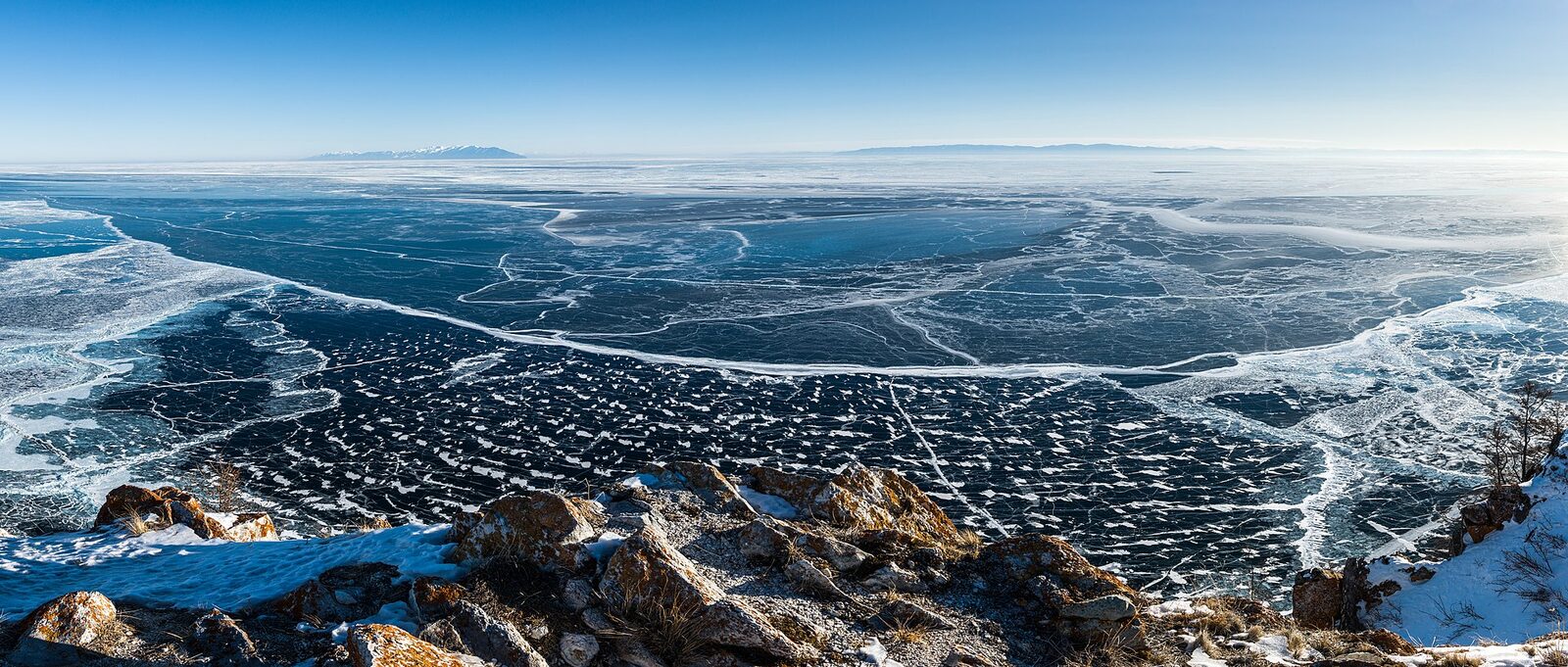
The oldest, deepest lake on Earth holds a fifth of the planet’s fresh water and, in Buryat tradition, the palace of the great sky spirits. Olkhon Island at its heart is one of the main poles of world shamanism; Shaman Rock on its shore is so sacred that for centuries no one was allowed to approach it — passers-by wrapped their horses’ hooves in cloth to keep silence. In winter the lake freezes into a metre-thick sheet of black glass laced with white fractures, and walking on it feels like walking on the sky.
13. Externsteine — Germany
Five sandstone pillars erupt from the Teutoburg Forest like the spine of a buried dragon. Pagan Saxons worshipped here; Charlemagne is said to have destroyed their sanctuary; medieval hermits carved chapels into the rock. A small window in the highest chamber frames the midsummer sunrise exactly. The place carries a wilder, darker charge than the English sites — forest power rather than field power — and German dowsers have mapped it for a century.
14. Arunachala — Tamil Nadu, India
“In the end, everyone must come to Arunachala,” said the sage Ramana Maharshi, who arrived at sixteen and never left. Hindus hold that this low red mountain is Shiva himself — not his home, not his symbol, but his actual body. Every full moon, up to a million pilgrims walk the fourteen-kilometre circuit barefoot. It is perhaps the only place on this list whose power tradition says works on you whether you believe or not — simply thinking of the mountain, the texts claim, begins the work.
15. Teotihuacan — Mexico
When the Aztecs found this city it was already a thousand years abandoned, and they gave it the only name that fit: “the place where the gods were born.” The Avenue of the Dead runs between the Pyramids of the Sun and Moon in an alignment that mirrors Orion’s belt, and sheets of mica — mined 3,000 kilometres away in Brazil — lie hidden between its stone layers for reasons no archaeologist has explained. At dawn, before the crowds, the scale of it rearranges something in the chest.
How to visit a place of power (without wasting it)
Arrive early or late — power keeps different hours than tour buses. Ask permission inwardly before entering, the way every traditional culture does; leave an offering that belongs to the land (water, a flower, silence — never crystals or coins). Put the phone away for the first twenty minutes: the place needs to read you before you record it. And take one question with you rather than a wish list. Sacred sites tend to answer the question underneath the one you asked.
The place of power you already live near
Here is the secret the famous sites teach: the Earth is not powerful in fifteen places and dead everywhere else. Springs, hilltops, old trees, river bends, thresholds where two landscapes meet — the same grammar of power is written in small letters everywhere. Find the spot within walking distance of your home where you consistently feel quieter, clearer, more yourself. Visit it in every season. Tend it. A place becomes sacred the same way a friendship becomes deep: through returning.
Frequently Asked Questions
What is a place of power?
A place of power is a location where geological features, long ritual use, and threshold landscapes combine to produce a noticeably stronger effect on human consciousness — from deep calm to vivid intuition. Examples range from Stonehenge and Mount Kailash to local springs and hilltops.
Can you feel the energy of sacred sites without being spiritual?
Many visitors with no spiritual practice report stillness, chills, or unexpected emotion at sites like Delphi, Uluru, or Varanasi. Whether that comes from geology, acoustics, history, or subtle energy, the experience itself is consistently documented across cultures.
How do I find a place of power near me?
Look for thresholds: springs, ancient trees, hilltops, river bends, old churches built on pre-Christian sites. Visit at quiet hours, notice where your body naturally settles and your mind clears, and return regularly — repetition is what turns a location into your personal place of power.

Meditation & Yoga Teacher
Anil Prakash has practiced and taught meditation and pranayama for fifteen years across several traditions, from MBSR to the active methods of Osho. He writes step-by-step, evidence-aware guides and always notes contraindications and safe practice.
Read Anil Prakash's full profile →✦
Editorial Standards
Practices on AfterDarkIntuition are researched from depth psychology (Jung), established spiritual traditions, and contemporary therapeutic frameworks. They are for self-reflection and personal growth — not medical, psychiatric, or crisis care. If you are in crisis, please contact a licensed professional or emergency services. About our editorial approach →
Editorial Note
Written for self-reflection and spiritual exploration. Not medical or psychological advice. Our editorial standards →
Written for self-reflection and spiritual exploration. Not medical or psychological advice. Our editorial standards →