Tarot
Aug 1, 2026
·
16 min read
Synergistic Spreads: Pairing Tarot & Oracle Decks
🕯 13 min read · August 1, 2026
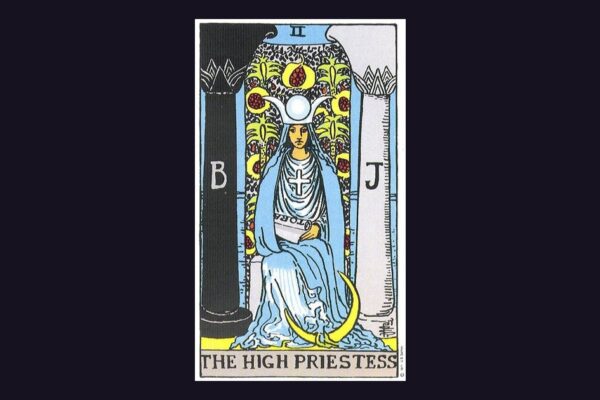
You’ve seen those stunning spreads: a classic Rider-Waite-Smith Tarot card, perhaps The High Priestess, laid alongside an ethereal oracle card, maybe one depicting a moonlit forest path or a soaring hawk. The combination feels… right. It adds layers, depth, and a nuanced perspective that a single deck sometimes can’t quite capture. But how do you move beyond simply admiring these synergistic pairings to creating them yourself, with intention and insight?
This isn’t about throwing cards together and hoping for the best. It’s about understanding the unique energetic signatures of different decks, recognizing their complementary strengths, and leveraging them to unlock richer spiritual and psychological insights. We’ll explore the history, the ‘why,’ and the ‘how-to’ of matching tarot and oracle decks, guiding you from curious observer to confident practitioner.
The Double-Voiced Oracle: A Brief History and Modern Perspective
The practice of combining different divinatory or introspective tools is far older than the modern tarot deck. Ancient cultures often consulted multiple forms of augury – observing flight patterns of birds, reading entrails, interpreting dreams, or casting lots – sometimes in conjunction, to gain a more complete picture of a situation. The concept of a “double-voiced oracle,” where different systems speak to each other, isn’t new, though its application to modern card decks is a relatively recent evolution.
Tarot, as we largely know it today through the enduring influence of the Rider-Waite-Smith (RWS) deck, emerged in the 15th century as playing cards, evolving into a tool for divination and self-exploration by the 18th century. Oracle decks, on the other hand, are a much broader and less standardized category. They can draw inspiration from anything: nature, goddesses, angels, affirmations, or specific spiritual traditions. Their history is more diffuse, with roots in various cultural divination systems and the modern New Age movement. The conscious pairing of these two distinct forms gained significant traction in the late 20th and early 21st centuries, as practitioners sought to deepen their readings and personalize their spiritual journey.
From a depth psychology perspective, pioneered by Carl Jung, this practice resonates deeply with the concept of the collective unconscious and archetypes. Jung believed that symbols, such as those found in tarot and oracle cards, are expressions of universal patterns of the psyche. When we combine decks, we are essentially inviting a dialogue between different symbolic languages, each tapping into various facets of these archetypes. A tarot card might present a classic archetypal scenario, while an oracle card might offer a more personal, emotional, or nature-based reflection on that same archetype. This creates a richer symbolic field for the psyche to engage with, fostering what Jung called “active imagination” – a conscious dialogue with the unconscious.
Furthermore, the mindfulness-based stress reduction (MBSR) approach, developed by Jon Kabat-Zinn, emphasizes present-moment awareness and non-judgmental observation. While not directly linked to card reading, the principle applies. When we engage with multiple decks, we are encouraged to slow down, observe the interplay of symbols, and notice the nuances that arise from their interaction. This process cultivates a deeper, more mindful engagement with our inner landscape, moving beyond simple fortune-telling to profound self-inquiry.
The Hermit’s Lantern: Essential Concepts for Layered Readings
Before you begin mixing and matching, it’s crucial to grasp a few foundational concepts. Think of these as the lenses through which you’ll view your decks, enabling more insightful and harmonious pairings:
- Deck Personality and Voice: Every deck has a unique ‘personality’ or ‘voice.’ An RWS Tarot deck, for instance, often speaks in archetypal narratives and traditional symbolism. A nature-based oracle might speak through the language of seasons, animals, or elements. Understanding these inherent voices helps you anticipate how they might converse. Does one deck offer direct advice while another provides emotional context?
- Energetic Resonance: Beyond their visual themes, decks carry distinct energetic vibrations. Some feel grounding and earthy, others ethereal and spiritual, some challenging and provocative, others gentle and affirming. Pay attention to how a deck makes you feel. Does its energy complement or contrast with another deck in a productive way?
- Purpose and Intention: Why are you drawing cards? Are you seeking clarity on a practical matter, exploring emotional blockages, or connecting with your higher self? Your intention should guide your deck selection. One deck might excel at practical guidance, while another is better suited for spiritual exploration.
- Symbolic Language and Iconography: Each deck uses a specific symbolic language. Tarot has its established archetypes and numerology. Oracle decks have their own unique iconography. Consider how these symbolic systems might overlap, diverge, or create new meaning when placed side-by-side. For example, a “Strength” card from tarot might be beautifully illuminated by an oracle card depicting a lioness or a sturdy oak tree.
- Intuitive Connection: Ultimately, your personal connection to a deck is paramount. No amount of theoretical knowledge can replace the intuitive pull you feel towards certain imagery or messages. Trust your gut. If a pairing feels intuitively right, it likely is. This isn’t about rigid rules, but about cultivating a deeper relationship with your tools.
- The “Gap” or “Bridge”: Sometimes, one deck might leave a ‘gap’ in understanding, or you might feel a need for a ‘bridge’ between a complex tarot message and a more actionable insight. An oracle deck can beautifully fill these spaces, offering a different perspective or a gentler interpretation.
Your First Tarot Spread: A Guided Introduction
Diving into the world of tarot can feel both exhilarating and a little overwhelming. With so many decks and interpretations, where do you begin? The good news is that you don’t need years of study to start connecting with these archetypal images. Tonight, we’ll lay the groundwork for a simple, yet profound, interaction with your chosen deck.
- Choose Your Deck and Space: Select a tarot or oracle deck that visually calls to you. It doesn’t need to be the most expensive or a RWS (Rider-Waite-Smith) clone, just one that resonates. Find a quiet, uncluttered space where you won’t be disturbed for 10-15 minutes. This dedicated space helps set a focused intention.
- Cleanse Your Deck: Hold your deck in your hands, close your eyes, and take a few deep breaths. You can knock on the deck three times, shuffle it thoroughly, or even pass it through a waft of incense smoke (safely, of course). This simple act clears any residual energy and imbues the deck with your current intention.
- Formulate Your Question: Think of a specific, open-ended question. Avoid yes/no questions. Instead of “Will I get the job?”, try “What aspects of myself should I focus on to excel in my job search?” or “What energies are at play regarding my career path right now?”. This allows for nuanced guidance.
- Shuffle and Draw: While holding your question in mind, shuffle your deck. Some prefer to shuffle until cards fall out, others until it feels ‘right’. When you’re ready, cut the deck into three piles and then restack them in any order you feel called to. Draw three cards, placing them left to right.
- Interpret Your Three Cards: Lay your cards out in a simple past-present-future spread. The first card represents the past influences related to your question, the second the current situation or energy, and the third a potential outcome or advice for the future. Don’t overthink; note your immediate feelings, images, or words that come to mind for each card.
- Reflect and Journal: Look at the cards together. Do they tell a story? Do you see a progression or a challenge? Write down your question, the cards you drew, and your initial interpretations in a journal. Even if it feels unclear now, revisiting it later can reveal profound insights. This practice builds your intuitive muscle.
Common Pitfalls in Early Tarot Reading
The ‘Right’ Answer Obsession
Many beginners fall into the trap of seeking a definitive, singular ‘right’ answer for each card. Tarot isn’t a fortune-telling machine that dictates your fate. It’s a mirror reflecting your subconscious, offering perspectives, and illuminating potential paths. If you find yourself fixated on one interpretation, try asking, “What else could this card be telling me?” or “How does this card make me feel, and what does that feeling suggest?”
Ignoring Your Intuition
It’s easy to get lost in guidebooks and online interpretations, especially when starting out. While these resources are valuable for learning traditional meanings, your personal intuition is paramount. If a card’s traditional meaning doesn’t resonate, but you feel a strong pull towards another interpretation, honor that. Over time, you’ll develop your own ‘language’ with your deck. Try simply describing what you see in the card’s imagery before consulting any external sources.
Over-Reliance on Reversed Meanings
Some readers choose to incorporate reversed (upside-down) cards, which often suggest a blocked energy, an opposite meaning, or an internal challenge. While valid, a beginner can easily get overwhelmed by doubling the number of interpretations. If you find yourself struggling, simply decide not to read reversals for a while. All cards, upright or reversed, can convey complex messages. Focus on the core energy of the card first.
Fear of ‘Bad’ Cards
Cards like The Tower, Death, or The Devil often evoke fear or dread. It’s crucial to remember that no card is inherently “bad.” The Tower, for instance, often signifies necessary upheaval leading to liberation, while Death speaks to transformation and endings that clear the way for new beginnings. If you pull a challenging card, ask yourself, “What lesson or growth is this card inviting me to embrace?” or “What needs to be released or changed in my life?” For a deeper dive into these often-misunderstood cards, consider exploring interpreting challenging cards in your full moon spread.
Too Many Readings, Not Enough Reflection
It can be tempting to pull cards for every minor decision or to re-do a spread if the initial reading isn’t what you hoped for. This can dilute the power of the practice. Instead, give yourself time to sit with a reading. Journal about it, meditate on it, and see how the insights unfold over a few days. Frequent, superficial readings can lead to confusion rather than clarity.
Tarot in the Everyday: Practical Applications
Navigating Workplace Dynamics
Imagine you’re facing a challenging project at work or a difficult conversation with a colleague. Instead of asking, “Will I succeed?”, try, “What energy should I bring to this project to ensure its best possible outcome?” or “What is the underlying dynamic at play in my relationship with [colleague’s name], and how can I navigate it with greater wisdom?” Drawing a card for ‘my approach’ and ‘the other person’s perspective’ can offer surprising insights into communication strategies or hidden motivations, allowing you to approach situations with more empathy and foresight.
Fostering Healthier Relationships
In personal relationships, tarot can be a powerful tool for self-reflection, not for predicting your partner’s actions. If you’re experiencing tension with a loved one, ask, “What unconscious patterns am I bringing into this relationship that are causing friction?” or “How can I better express my needs and listen to my partner’s needs?” A card like the Queen of Cups might suggest leading with compassion and intuition, while the Four of Wands could point to celebrating shared joys and finding stability together. This helps shift focus from blame to personal agency and understanding.
Cultivating Emotional Regulation
When overwhelmed by stress, anxiety, or sadness, tarot can offer a moment of mindful pause and a new lens through which to view your emotions. Instead of suppressing feelings, ask, “What message is this feeling trying to convey to me right now?” or “What action, however small, can I take to honor this emotion and move through it constructively?” A card like the Eight of Swords might indicate feeling trapped by self-imposed limitations, prompting you to question your beliefs, while the Star could be an invitation to find hope and renewal even in difficult times. This practice can complement other mindfulness techniques, providing a visual anchor for emotional processing.
When Self-Practice Nurtures, and When Professional Guidance Illuminates
While the journey with tarot and oracle decks is profoundly personal, there are moments when the path forward benefits immensely from external perspectives. Self-reflection with your cards is a powerful tool for developing intuition and understanding your inner landscape. Many find that daily draws, journaling their interpretations, and observing patterns over time are sufficient for their growth and insight. This dedicated self-study builds a strong foundation for your spiritual practice, allowing you to cultivate a deep, trusting relationship with your decks.
However, there are specific junctures where professional guidance offers invaluable support. If you find yourself consistently drawing challenging cards, such as the Tower or the Ten of Swords, and struggling to move beyond feelings of fear or despair, a seasoned tarot reader or spiritual mentor can provide a much-needed objective viewpoint. They can help you unpack complex symbolism, identify blind spots in your interpretation, and offer tools for navigating difficult periods with grace and resilience. Similarly, if your card readings consistently bring up deep-seated emotional patterns, unresolved trauma, or persistent feelings of anxiety or depression, it may be a sign to seek the support of a licensed therapist. Carl Jung, whose work on archetypes deeply influenced modern esotericism, understood the profound impact of the unconscious on our waking lives. A therapist trained in depth psychology can help you explore these unconscious dynamics safely and effectively, providing a container for healing that goes beyond what a deck of cards alone can offer.
The distinction lies in the nature of the challenge. Are you seeking deeper symbolic understanding, or are you grappling with psychological distress? For nuanced interpretations of complex spreads or to break through interpretive blocks, a skilled tarot professional can be a wonderful guide. For persistent emotional struggles or mental health concerns, a qualified therapist is the appropriate resource. It’s about discerning the right tool for the right job, honoring both your spiritual journey and your psychological well-being. For more on navigating difficult symbolism, you might find insight in our article on Interpreting Challenging Cards in Your Full Moon Spread.
Harmonizing Your Intuitive Tools: A Practical Synthesis
- Define Your Intention: Before selecting or pairing decks, clarify what you seek. Are you exploring shadow aspects, seeking daily guidance, or connecting with ancestral wisdom?
- Trust Your Gut: Handle decks, shuffle them, and observe your visceral reaction. The right deck often ‘speaks’ to you before conscious thought.
- Mix and Match with Purpose: Consider combining a structured system (like RWS Tarot) for foundational insights with a more fluid oracle for thematic depth or specific emotional resonance.
- Journal Everything: Document your readings, interpretations, and feelings. This practice reveals patterns, strengthens intuition, and builds a personal language with your decks.
- Set Boundaries with Your Practice: Understand when self-reflection is sufficient and when professional insights (from a reader or therapist) are needed for deeper healing or clarity.
- Regularly Clear and Recharge: Just as you might clear your mind before meditation, ensure your decks are energetically clear. Simple methods like knocking on the deck or leaving them under moonlight can be effective.
- Embrace the Journey, Not Just the Destination: The path of working with tarot and oracle decks is one of continuous discovery. Enjoy the unfolding process of self-knowledge and intuitive growth.
May your chosen decks serve as trusted companions on your unique path, illuminating the unseen and affirming the wisdom within.
Frequently Asked Questions
What’s the difference between a Tarot deck and an Oracle deck?
Tarot decks traditionally follow a structured system of 78 cards, including Major and Minor Arcana, with established meanings often rooted in Western esoteric traditions. Oracle decks, on the other hand, are free-form, varying in card count, imagery, and theme, offering more intuitive and less structured guidance based on the creator’s vision.
Can I use Tarot and Oracle decks together in a single reading?
Absolutely, many readers find combining Tarot and Oracle decks enriches their insights. You might use Tarot for a structured overview of a situation and then pull an Oracle card for an additional message, affirmation, or spiritual guidance to deepen the reading.
How do I choose the right Tarot or Oracle deck for me?
Choosing a deck is often a deeply personal experience; look for imagery and themes that resonate with you intuitively and emotionally. Consider the artwork, the deck’s overall energy, and whether its symbolism speaks to your personal journey and questions, as RWS-style decks offer a classic starting point while others explore diverse mythologies.
Is there a ‘right’ way to cleanse or consecrate a new deck?
While practices vary, common methods for cleansing a new deck include shuffling it thoroughly, knocking on it to ‘wake it up,’ or passing it through incense smoke. Some also place it under moonlight or near crystals, like clear quartz, to energetically clear any previous influences and imbue it with their own intention.
Do I need to be psychic to read Tarot or Oracle cards effectively?
No, you don’t need to be ‘psychic’ in the conventional sense to read cards effectively; intuition and a willingness to learn are far more important. Many successful readers develop their skills through practice, studying card meanings, and tuning into their own inner wisdom, much like developing a muscle through consistent use and reflection.
This page describes what the Tarot tradition teaches and how people practise it. It is not a prediction and not medical, psychiatric or crisis advice. How we research and write · report an error