Tarot
Jun 8, 2026
·
14 min read
·
Updated Jul 9, 2026
The 10-Card Celtic Cross Tarot Spread: Full Guide and Position Meanings
🕯 9 min read · June 8, 2026
Editorial Note · This tarot piece was fact-checked against positional meanings and reader FAQ threads — no generic keyword stuffing.
The 10-Card Celtic Cross Tarot Spread: Full Guide and Interpretation
About this guide: The sections above explain context and symbolism. The protocol below is a documented method you can practice tonight — grounded in established traditions, not invented rituals or guaranteed predictions.
Have you ever felt that a single card was simply not enough to capture the complexity of your current crossroads? Perhaps you are facing a decision that feels like a tangled knot, or you sense a shift in your spiritual current but cannot quite pinpoint where the tide is turning. While a three card draw offers a snapshot, the Celtic Cross is a cinematic experience. It is the gold standard of divination, designed to map the architecture of a situation, revealing not just what is happening, but why it is happening and where the path leads.
For the seeker, the Celtic Cross is more than a layout; it is a diagnostic tool for the soul. It bridges the gap between the conscious mind and the subconscious, bringing hidden influences into the light. Whether you are a seasoned practitioner or a curious beginner, mastering this spread allows you to move from simple prediction to deep, intuitive analysis.
The Philosophy of the Celtic Cross
The Celtic Cross is not merely a collection of ten cards; it is a narrative arc. The structure is divided into two primary sections: the Cross and the Staff. The Cross (the first six cards) provides the immediate context, the internal and external pressures, and the foundational energy of the moment. The Staff (the final four cards) provides the trajectory, the psychological state of the seeker, and the eventual resolution.
When you lay these cards, you are creating a map of a specific moment in time. It is important to remember that Tarot does not dictate a fixed fate. Instead, it reveals the current momentum. By understanding the momentum, you gain the agency to shift the outcome.
Step by Step Guide to Laying the Spread
Before you begin, create a sacred space. Clear the energy of your area with incense, a singing bowl, or simply a few deep, mindful breaths. Center yourself, hold your deck, and formulate a clear, open ended question. Instead of asking Yes or No questions, ask How or What. For example, instead of asking Will I get the job?, ask What do I need to know about my current career path?
Once your intention is set, shuffle your cards until you feel a sense of stillness. Lay the cards in the following order:
The Cross: The Immediate Landscape
Card 1: The Heart of the Matter. This card is placed in the center. It represents the current state of play, the core energy, and the primary theme of the reading.
Card 2: The Challenge. Placed horizontally across the first card. This represents the immediate obstacle or the tension that is complicating the situation. It is not necessarily a negative card; it is simply the energy that is crossing or challenging the first card.
Card 3: The Root. Placed below the center card. This represents the subconscious, the distant past, or the foundational energy that created the current situation. This is the soil from which the problem grew.
Card 4: The Recent Past. Placed to the left of the center. This represents events that have just concluded or energies that are beginning to fade but still influence the present.
Card 5: The Crown. Placed above the center card. This represents the best possible outcome or the conscious goals of the seeker. It is what you are striving for or the highest potential of the situation.
Card 6: The Near Future. Placed to the right of the center. This represents the immediate next step or the energy that is currently manifesting. It is the first ripple of the coming change.
The Staff: The External and Internal Perspective
Card 7: The Self. This is the first card of the vertical column on the right. It represents the seeker’s current state of mind, their attitude, and how they are perceiving the situation.
Card 8: The Environment. Placed above the self card. This reveals the influence of other people, the physical surroundings, or the external pressures that are acting upon the seeker.
Card 9: Hopes and Fears. Placed above the environment card. This is the most psychological card in the spread. It reveals the internal desires or the anxieties that may be clouding the seekers judgment.
Card 10: The Outcome. The final card at the top of the staff. This represents the likely resolution if the current energies continue on their present trajectory.
Mastering the Art of Interpretation
The secret to a professional reading lies in the synthesis. If you read ten cards in isolation, you have ten separate stories. To find the truth, you must weave them together.
Finding the Narrative Threads
Look for patterns. Are there many Swords? This suggests a situation dominated by intellect, conflict, or anxiety. Are there many Pentacles? The focus is on material stability, work, or physical health. If the Major Arcana dominate, the situation is governed by karmic forces or significant life lessons rather than mundane details.
Pay close attention to the relationship between the Heart (Card 1) and the Challenge (Card 2). If the Heart is the Three of Cups (celebration) but the Challenge is the Five of Pentacles (lack), the reading may be about the struggle to maintain joy while facing financial hardship.
Reading the Vertical Axis
Compare the Root (Card 3) and the Crown (Card 5). This vertical line shows the distance between where you started and where you want to go. If the Root is the Ten of Swords (rock bottom) and the Crown is the Star (hope), the reading is a story of profound healing and spiritual ascent.
Evaluating the Staff
The Staff provides the context of the ego and the world. If the Self (Card 7) is the Nine of Swords (stress) but the Environment (Card 8) is the Ten of Cups (domestic harmony), it suggests that the seeker’s distress is internal and not reflected in their actual surroundings. This is a powerful insight that allows the reader to guide the seeker toward internal healing rather than external change.
Practical Application: A Concrete Example
Imagine a seeker asking about a stagnant relationship.
The Heart is the Two of Swords (indecision). The Challenge is the Three of Swords (heartbreak). The Root is the Six of Cups (nostalgia/childhood). The Recent Past is the Eight of Cups (walking away). The Crown is the Lovers (alignment). The Near Future is the Page of Swords (communication/curiosity).
In the Staff, the Self is the Queen of Swords (analytical/guarded). The Environment is the Four of Swords (rest/silence). Hopes and Fears is the Moon (uncertainty/illusion). The Outcome is the Temperance (balance).
In this reading, the narrative is clear: The seeker is stuck in indecision because of a past heartbreak, rooted in a deep longing for how things used to be. They have tried to walk away, but they still desire alignment. The near future suggests a new conversation is coming. However, the seeker is currently too guarded (Queen of Swords) and the relationship is in a period of silence. The final outcome, Temperance, suggests that through patience and alchemy, a middle ground and emotional balance will be reached.
Tips for an Intuitive Practice
To deepen your readings, try these advanced techniques:
Focus on the colors. If you see a surge of yellow across several cards, look for themes of clarity and intellect. If deep blues dominate, look for themes of intuition and the subconscious.
Listen to the silence. Sometimes the most important part of a reading is the card that is missing. If there are no Cups in a reading about love, it may suggest a lack of emotional vulnerability or a relationship based on logic rather than feeling.
Ask the cards for clarification. If the Outcome card is ambiguous, draw one additional card and place it next to the outcome to ask, What is the key to unlocking this result?
Grounding the Mystical in the Mundane
While the Celtic Cross touches the divine and the subconscious, its purpose is to help us live more consciously in the physical world. A reading is not a sentence; it is a mirror. When the cards reveal a challenge or a fear, do not view it as a warning of doom. Instead, view it as a prompt for action.
If the Outcome card is unfavorable, use the rest of the spread to find the lever you can pull to change that outcome. Look at the Root and the Self cards. By healing the root or shifting the mindset of the self, the outcome naturally shifts. This is the true power of divination: it transforms the seeker from a passive observer of their life into an active creator of their destiny.
As you close your deck and clear your space, carry the insights with you not as rigid truths, but as gentle guides. The cards provide the map, but you are the one walking the path. Trust your intuition, honor the symbols, and remember that the most important voice in the room is always your own.
Frequently Asked Questions
Can I use the Celtic Cross for a quick daily reading?
Generally, no. Because of its depth and complexity, the Celtic Cross is best reserved for big life questions or monthly overviews. For daily guidance, a simple one or three card pull is more effective and less draining.
What should I do if I draw a scary card like Death or The Tower in the Outcome position?
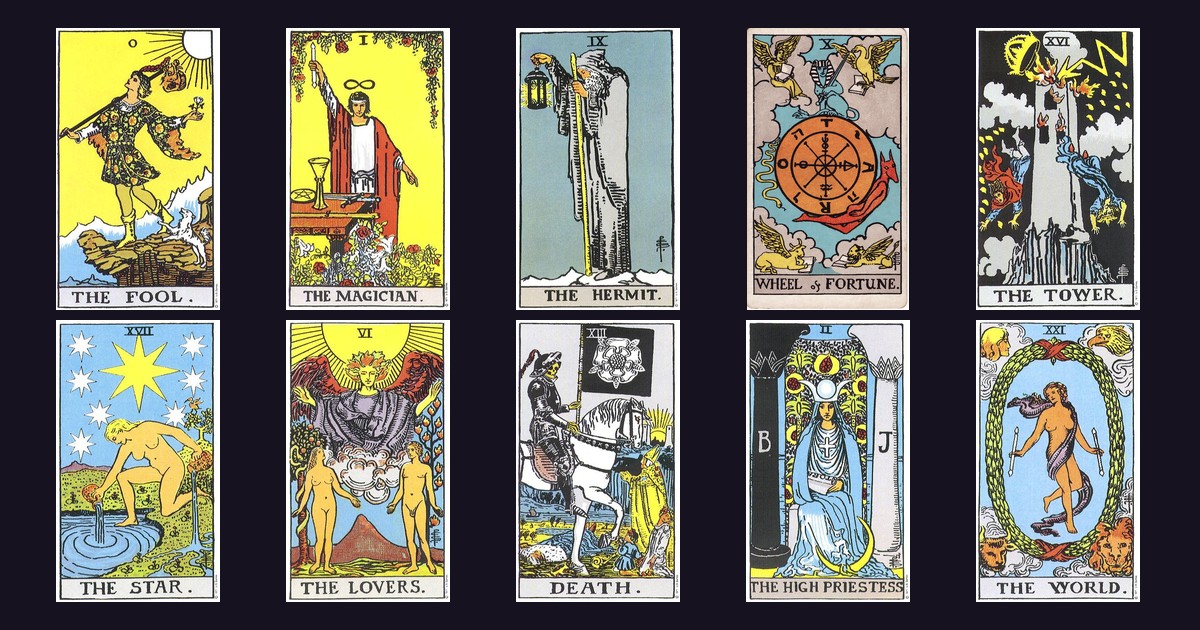
Remember that these cards represent transformation, not literal death or disaster. The Tower indicates a necessary breaking down of old structures to make room for something more authentic, and Death signifies the end of a cycle to allow for rebirth.
Do I have to follow the card positions strictly?
While the traditional positions provide a reliable framework, intuition is key. If a card feels like it belongs in a different position or speaks to a different part of the story, trust that feeling. The symbols are tools, and your intuition is the master.
Step-by-Step Practice Protocol
The protocols below come from documented spiritual, psychological, or contemplative traditions. They support self-reflection and skill-building — not medical diagnosis, crisis care, or literal prediction of future events.
This is a standard reflective tarot session — you use the cards as symbolic prompts for honest self-inquiry, not fortune-telling.
Time needed: 15–25 minutes
- Draw layout on paper: positions 1–10 as standard Celtic Cross (Present center, Cross horizontal, Crown above, etc.).
- Shuffle with one question; place cards in order without peeking ahead.
- Interpret positions 1–2 first (heart of matter + crossing challenge) before expanding outward.
- Synthesize pairs: 3+5 (past + near future), 4+6 (recent past + approaching influence).
- Write outcome card (10) as ‘likely direction if current path continues’ — not fixed fate.
- Photograph spread; journal synthesis in 200 words maximum.
Tradition & references: Rider-Waite-Smith deck structure; reflective reading methods taught in books such as Rachel Pollack’s 78 Degrees of Wisdom and Mary K. Greer’s Tarot for Your Self.
✦ Frequently Asked Questions

Tarot & Symbolism Specialist
Mara Vey has read tarot and Elder Futhark runes for over a decade and writes on the psychology of symbols. She approaches divination as a tool for reflection rather than fortune-telling, grounding every reading in documented tradition.
Read Mara Vey's full profile →✦
Editorial Standards
Practices on AfterDarkIntuition are researched from depth psychology (Jung), established spiritual traditions, and contemporary therapeutic frameworks. They are for self-reflection and personal growth — not medical, psychiatric, or crisis care. If you are in crisis, please contact a licensed professional or emergency services. About our editorial approach →
Editorial Note
Written for self-reflection and spiritual exploration. Not medical or psychological advice. Our editorial standards →
Written for self-reflection and spiritual exploration. Not medical or psychological advice. Our editorial standards →