Tarot
Jun 13, 2026
·
11 min read
·
Updated Jul 9, 2026
The Fool’s Journey: How the Major Arcana Maps Your Spiritual Path
🕯 9 min read · June 13, 2026
The path of spiritual growth is as ancient and winding as it is personal, often marked by challenges that seem insurmountable at each turn. Yet within the mystical world of tarot, there lies a profound guide to navigating this journey: The Major Arcana. Consisting of 22 cards, each one represents key archetypes and lessons crucial for self-discovery and transformation.
From The Fool, who embarks on an adventurous quest with nothing but hope and courage, to The World, symbolizing the culmination of spiritual growth and integration, these cards offer a roadmap that transcends time and culture. Whether you are new to tarot or a seasoned reader, exploring how each card relates to your own path can illuminate the shadows and highlight the way forward.
Understanding the Major Arcana
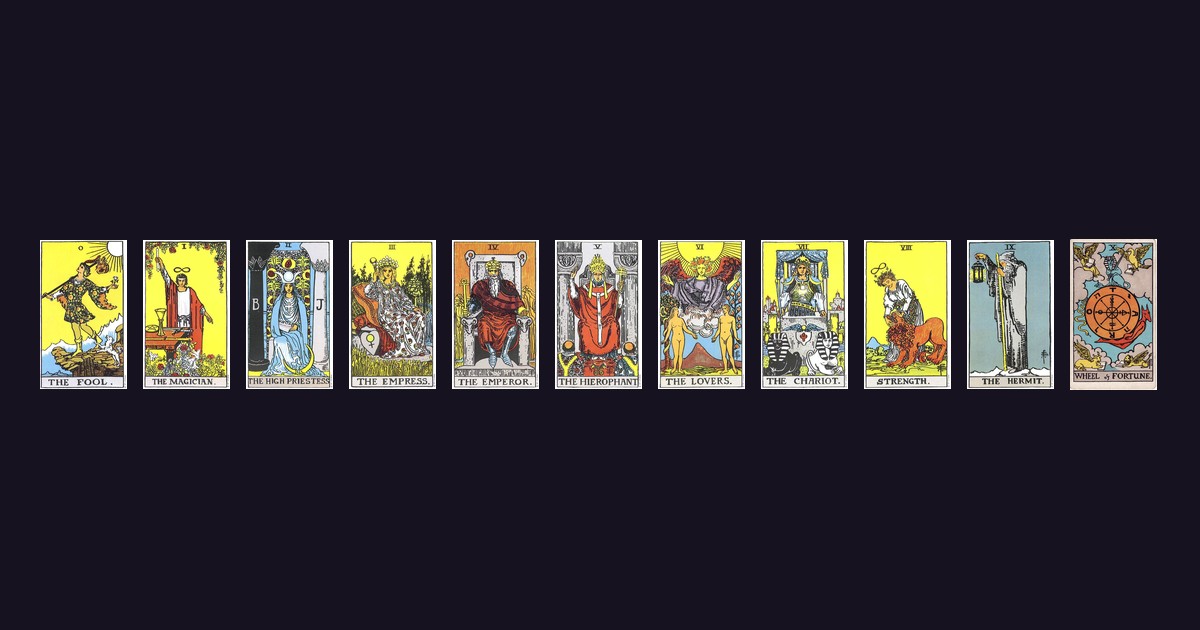
The Tarot’s Major Arcana comprises twenty-two cards that are often seen as a blueprint for spiritual growth and self-discovery. Each card represents a fundamental aspect of human experience, from birth to enlightenment, and collectively they form a narrative cycle known as ‘The Fool’s Journey.’ This journey is not just about the sequence of events but also about the archetypal energies each card embodies.
- The Magician (I): Symbolizes manifestation through focused intent and action. It encourages us to trust our inner power and resources to create our reality.
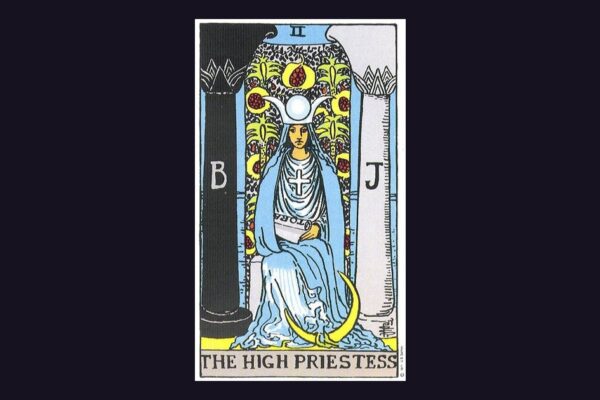
- The High Priestess (II): Represents intuition, the subconscious mind, and the wisdom hidden from ordinary sight. This card advises seeking deeper knowledge within ourselves.
- The Empress (III): Embraces creativity, abundance, and nurturing instincts. It calls for us to connect with nature and our feminine side.
Understanding these archetypes helps in interpreting personal life situations more profoundly. For instance, if you draw The Magician during a challenging period, it might indicate that now is the time to use your skills and talents strategically to overcome obstacles. Similarly, encountering The High Priestess could suggest delving deeper into spiritual practices or listening to inner wisdom.
- Study each card’s symbolism regularly to familiarize yourself with its meanings.
- Practice meditating on a single card daily to deepen your understanding of its energy and messages.
The Symbolism of the Fool: Embarking on a Journey
In the Tarot, the Fool card is often seen as the starting point for your spiritual journey. This card symbolizes innocence and naivety but also embodies courage and spontaneity in embracing life’s unknowns. The Fool carries a white rose in his hand, representing purity, love, and new beginnings. He stands on a cliff’s edge with one foot forward, ready to take the leap into the great unknown.
The symbolism of the Fool is rich with archetypal themes from Joseph Campbell’s The Hero’s Journey, where every hero must begin their adventure by leaving behind the comfort and safety of home. For the Fool in Tarot, this departure marks an initiation into deeper self-exploration. The Fool teaches us to embrace our own journey without fear or regret, even when it means stepping out of our comfort zones.
- The white rose is a symbol of purity and new beginnings, reminding us that every new adventure starts with fresh perspectives.
- A bag slung over the shoulder represents the carrying of all one’s possessions into an uncertain future, reflecting the idea of minimalism and freedom from material attachments.
- Two dogs at his feet symbolize the pull between desire for the past and curiosity about the future. One dog might represent our comfort zone or familiarity, while the other symbolizes adventure and new experiences.
Understanding these symbols can guide you in embracing a more adventurous attitude towards life. Consider what parts of your current situation hold you back from starting a journey of self-discovery. Reflect on how you can cultivate courage to take steps forward despite uncertainty. This card also encourages us to listen deeply to our dreams and intuition, as they often provide the first clues about where we are meant to go.
For instance, if you’ve been dreaming frequently and noticing patterns that seem significant (perhaps even prophetic dreams), it might be a sign that your unconscious mind is guiding you towards a new path. A good starting point could be exploring the deeper meanings behind these dreams, which can offer profound insights into personal growth and transformation.
Key Themes in the Major Arcana and Their Spiritual Significance
The Major Arcana of the tarot is a rich weave of archetypal figures, each card offering profound insights into life’s journey. At its core, this sequence represents a cycle of transformation, from innocence to wisdom, mirroring the stages of personal growth and spiritual development.
- The Hero’s Journey: Many cards in the Major Arcana embody elements of Joseph Campbell’s monomyth, reflecting stages like the call to adventure (The Fool), trials and initiation (The Tower), and mastery or enlightenment (The World).
- Mirroring Duality: The interplay between light and shadow is a recurrent theme. Cards such as Death represent endings and transformation, while cards like Strength highlight inner power and resilience.
- The Law of Correspondences: This principle, from the Hermetic tradition, suggests that what happens in one realm reflects another, teaching us to see the universe as interconnected and cyclical (e.g., The Sun card).
Each theme within the Major Arcana carries its own spiritual significance. For instance, the Fool’s journey emphasizes trust and surrender, encouraging us to embrace life’s uncertainties with openness and optimism. The Hanged Man teaches patience and acceptance by showing how changing perspectives can lead to unexpected growth.
The Star and The Moon contrast light and shadow, urging self-reflection on what illuminates your path versus what may obscure it. These insights are not just about the cards themselves but also about understanding how they apply to your unique journey of self-discovery.
How the Major Arcana Relates to Depth Psychology
The Major Arcana of the tarot, with its rich pattern of archetypal symbols and profound narratives, offers a compelling framework for exploring the depths of human consciousness. This alignment between the tarot’s symbolic language and depth psychology is not coincidental but rather rooted in the shared understanding that the psyche operates through universal patterns and themes.
- Archetypes: Carl Jung’s concept of archetypes—universal, primal shapes that are part of the collective unconscious—mirrors the tarot’s Major Arcana. Each card embodies an archetype that resonates deeply with our shared human experiences. For instance, the Empress is a symbol of nurturing and creative abundance, aligning closely with the divine feminine archetypes found in cultures worldwide.
- The Hero’s Journey: Joseph Campbell’s monomyth, which describes the stages of a hero’s journey, finds parallelism within the Major Arcana. The Fool initiates this journey, akin to the departure stage of the hero’s quest, where an individual sets out on a transformative path.
- Synchronicity and Dreams: Depth psychology also explores the significance of synchronicities and dreams in revealing deeper truths about our psyche. The Major Arcana can be seen as a symbolic language for interpreting these phenomena. For example, encountering cards such as Death or the Tower might reflect significant life transitions mirroring Carl Jung’s theory on individuation.
- Transformation and Integration: Depth psychology emphasizes the importance of integrating disparate aspects of oneself to achieve wholeness. The Major Arcana’s narrative arc moves from the Fool’s initial innocence through trials, challenges, and revelations towards a state of wisdom and integration represented by cards like the World or Judgement.
By delving into these connections, practitioners can use the Major Arcana as a tool for psychological exploration, providing insights that are both practical and profound. Whether you’re navigating personal growth, understanding archetypal themes in your life, or seeking to interpret dreams and synchronicities, the tarot’s wisdom offers a rich layered mix of guidance and insight.
Practical Exercises for Exploring Your Own Fool’s Journey
The Major Arcana of the tarot can serve as a profound guide on your spiritual path, offering insights and wisdom that resonate deeply with the human experience. To fully engage with this journey, consider these practical exercises designed to help you understand and apply the lessons of each card.
- Journaling: After drawing or choosing a Major Arcana card, spend time journaling about what it represents in your current life circumstances. Reflect on how its symbolism resonates with your personal experiences and challenges. This process can help you uncover deeper insights into the patterns and themes that are emerging in your journey.
- Card Meditation: Sit quietly with a chosen Major Arcana card, focusing on its imagery and symbolism. Allow yourself to be immersed in the details of the scene, imagining yourself as part of it. What feelings arise? What lessons does this card teach you about courage, faith, or transformation?
- Creating Affirmations: For each Major Arcana card, create an affirmation that encapsulates its essence and how it relates to your personal growth. Repeat these affirmations daily to reinforce the positive changes and spiritual insights you are seeking.
These exercises provide a structured yet flexible way to engage with the wisdom of the Major Arcana. Whether you’re just starting out or have years of tarot experience, they offer valuable tools for deepening your understanding and connection to this rich tradition.
Interpreting Cards as Spiritual Guides
The Major Arcana in tarot serves as a profound spiritual map, offering guidance and insight at each stage of the Fool’s journey. Each card carries unique symbolism that resonates with different aspects of personal growth and self-discovery. To interpret these cards effectively as spiritual guides, it’s essential to engage deeply with their imagery and thematic elements.
- Embrace Personal Reflection: Spend time in meditation or quiet contemplation after a reading, allowing the themes and symbols of the drawn card to resonate within your own experiences. Consider how these images mirror your current life situation and emotional landscape.
- Journal Your Insights: Keep a dedicated journal for tarot readings. Write down your interpretations and any new insights that emerge over time. This practice helps you track personal growth and recognize patterns in your journey.
- Seek Guidance from Teachers or Books: When faced with challenging cards like Death or The Tower, turn to trusted sources within the tarot community for deeper understanding. Explore books by authors such as Rachel Pollack or Mary K. Greer who offer profound insights into these complex symbols.
Additionally, consider consulting other divination tools and practices like astrology or numerology to enrich your interpretation of the cards. These complementary systems can provide a broader context for understanding life’s cycles and transitions as mapped by tarot.
In closing, the Major Arcana serves not just as a map but also as a mirror, reflecting back to us the intricate dance between our inner world and the outer reality we navigate daily. By engaging with these symbols deeply and respectfully, one can find profound guidance along their spiritual path.
Frequently Asked Questions
What does the Fool card represent in the Major Arcana?
The Fool symbolizes new beginnings, innocence, and spontaneity. It represents a fresh start, often associated with leaving behind what is familiar to embark on an unknown journey of self-discovery.
How can I use the Major Arcana for personal growth?
The Major Arcana cards reflect universal themes and archetypal figures that can guide you through life’s challenges. By studying each card, you can gain insights into your own psyche and navigate your spiritual path more consciously.
Is the Fool’s Journey a linear progression?
While the Major Arcana cards are traditionally read in a sequence from The Fool to The World, the journey itself is cyclical and non-linear. Each card can appear at any point of your spiritual development, offering unique lessons regardless of their position.
What role does intuition play when interpreting Tarot cards?
Intuition is crucial in Tarot reading as it bridges the gap between the symbolic imagery and personal understanding. It helps you connect with deeper meanings beyond literal interpretations, allowing for more personalized insights.
This page describes what the Tarot tradition teaches and how people practise it. It is not a prediction and not medical, psychiatric or crisis advice. How we research and write · report an error