Yoga
Jul 19, 2026
·
16 min read
A 9-Minute Saraswati Mantra Meditation with Goddess Yoga teacher Sianna Sherman.
🕯 13 min read · July 19, 2026
Have you ever felt a quiet longing for something more than just the daily grind, a desire to tap into your inner wellspring of creativity, wisdom, and eloquent expression? Perhaps you’ve glimpsed moments where ideas flow effortlessly, words find their perfect rhythm, or a creative project takes on a life of its own. But then, the everyday clamor returns, and that vibrant connection feels distant, leaving you wondering how to consistently access that profound inner current. You’re not alone in seeking to cultivate this deeper resonance, to move beyond sporadic flashes of inspiration and toward a sustained, joyful engagement with your own unique genius.
This journey isn’t about conjuring something from nothing; it’s about awakening what already lies within. We’re often taught to look outside ourselves for validation and answers, yet the most profound transformations begin when we turn inward. This article isn’t just another spiritual musing; it’s a practical guide to unlocking your inherent creative potential through a specific, accessible practice: a 9-minute Saraswati Mantra Meditation, guided by the renowned Goddess Yoga teacher, Sianna Sherman. We’ll explore the rich lineage behind this practice, its psychological underpinnings, and equip you with the core concepts you need to truly make it your own.
What A 9-Minute Saraswati Mantra Meditation with Goddess Yoga teacher Sianna Sherman Actually Is
At its heart, a Saraswati Mantra Meditation is an invocation and a cultivation. It’s an ancient practice, deeply rooted in the Vedic traditions of India, designed to connect the practitioner with the archetypal energy of Saraswati, the Hindu Goddess of knowledge, music, arts, wisdom, and learning. She is often depicted holding a veena (a stringed instrument), a book, and a rosary, symbolizing the harmonious interplay of sound, scripture, and focused contemplation. The very word “Saraswati” itself is derived from “saras” (flow) and “wati” (she who possesses), signifying the flowing essence of wisdom and eloquence.
The practice typically involves the repeated chanting of a specific mantra associated with Saraswati, such as Om Aim Saraswatyai Namah. This isn’t mere recitation; it’s a vibrational attunement. As Dr. David Frawley, a prominent scholar of Ayurveda and Vedic sciences, explains in his work on mantra yoga, “Mantra is a sound form of consciousness… a power that can transform the mind.” The sound vibrations are believed to resonate with specific energetic centers within the body, particularly the throat chakra (Vishuddha), which is associated with communication and expression. Through focused repetition, the mantra helps to clear mental clutter, sharpen concentration, and open channels for intuitive insight and creative flow.
From a modern psychological perspective, this practice can be understood through the lens of focused attention and mindfulness. The sustained concentration required for mantra repetition is a form of single-pointed meditation, akin to the practices taught in Mindfulness-Based Stress Reduction (MBSR) programs developed by Jon Kabat-Zinn. By anchoring the mind to the mantra, we reduce the incessant chatter of the “monkey mind,” creating space for deeper cognitive processes and fostering what Carl Jung termed the “individuation process” – the journey toward becoming one’s true, whole self. Jung believed that archetypes, like Saraswati, reside in the collective unconscious and represent universal patterns of experience and behavior. Engaging with the Saraswati archetype, even symbolically through mantra, can activate these dormant potentials within our own psyche.
When guided by a teacher like Sianna Sherman, the experience takes on an additional layer of intentionality and embodied wisdom. Sianna Sherman is renowned for her “Goddess Yoga” approach, which integrates classical yoga with a devotional reverence for the divine feminine. Her guidance helps to ground the abstract concept of Saraswati into a tangible, felt experience within the body and mind. It’s not just about reciting sounds; it’s about embodying the qualities Saraswati represents – grace, clarity, creative intelligence, and skillful expression – through breath, posture, and focused awareness. This integration of body, mind, and spirit is a hallmark of authentic yogic practice, as outlined in texts like Patanjali’s Yoga Sutras, which emphasize dharana (concentration) and dhyana (meditation) as essential steps on the path to deeper awareness.
Core Concepts You Must Know
- The Archetype of Saraswati: Understand that Saraswati represents not just a deity, but a universal principle of creative intelligence, wisdom, knowledge, music, eloquence, and the arts. She is the flow of inspiration, the clarity of thought, and the beauty of expression. Connecting with her archetype is about awakening these qualities within yourself.
- Mantra as Vibrational Medicine: The mantra (e.g., Om Aim Saraswatyai Namah) is more than just words. It’s a sacred sound formula, believed to carry specific energetic frequencies. The repetition creates a vibrational field that can influence your mental state, emotional balance, and even physical well-being by stimulating neural pathways and calming the nervous system.
- Intention is Key: Before you begin, set a clear intention. What quality of Saraswati do you wish to cultivate? Is it clarity for a project, fluency in communication, inspiration for an artistic endeavor, or deeper wisdom? Your intention acts as a beacon, guiding the energy of the meditation.
- The Power of Repetition (Japa): The practice of mantra repetition is called japa. Consistency is more important than speed or volume. Even a short, focused 9-minute practice done daily or regularly will yield greater benefits than sporadic, longer sessions. The repetition trains the mind to focus and quieten.
- The Role of Sianna Sherman’s Guidance: Sianna Sherman brings a unique blend of yogic wisdom, devotional insight, and embodied awareness to this practice. Her guidance isn’t just instructional; it’s an invitation to feel and integrate the qualities of Saraswati into your being, often through specific breathwork, visualization, and subtle body awareness.
- Mindfulness and Presence: While chanting, your mind will inevitably wander. This is normal. The practice isn’t about stopping thoughts, but about gently bringing your attention back to the mantra each time it strays. This continuous return to the present moment, anchored by the mantra, is the essence of meditative awareness.
- Integration Beyond the Mat: The goal isn’t just to feel good during the 9 minutes. The true power lies in how you integrate the qualities cultivated during meditation into your daily life. How does the clarity, creativity, or wisdom you access inform your work, relationships, and self-expression?
Step-by-Step Practice
- Prepare Your Space: Find a quiet corner where you won’t be disturbed. You might light a candle, burn some ethically sourced incense, or simply ensure the area is clean and inviting. This intentional preparation helps to signal to your mind and spirit that you are entering a sacred time.
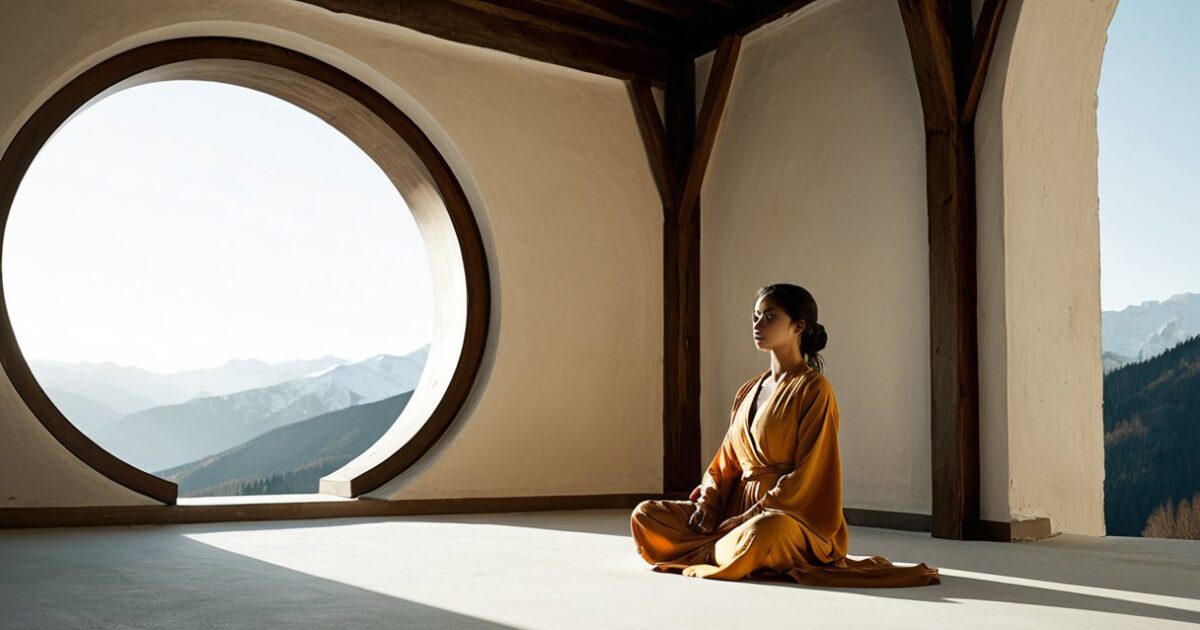
- Find Your Seat: Sit comfortably, either on a cushion on the floor in a cross-legged position (Sukhasana) or on a chair with your feet flat on the ground. Ensure your spine is long and erect, yet relaxed, allowing for unobstructed breath and energy flow.
- Gentle Breath Awareness: Close your eyes softly and take a few deep, cleansing breaths. Inhale slowly through your nose, feeling your belly expand, and exhale completely, releasing any tension. Allow your breath to settle into a natural, rhythmic flow without force.
- Visualize Saraswati: Bring to mind an image of Goddess Saraswati. You might envision her seated on a white lotus, holding a *veena* (a stringed instrument), a book, and a rosary. Focus on her serene expression, her flowing white garments, and the light radiating from her. This visualization helps to invoke her presence and qualities.
- Introduce the Mantra: Begin to silently or softly chant the Saraswati *Moola Mantra*: “Om Aim Hreem Kleem Maha Saraswati Devaya Namaha.” Repeat this mantra with a steady rhythm, allowing the sounds to resonate within you. If using a *mala*, you can keep track of repetitions, but the focus is on sincere devotion, not strict counting.
- Focus on Qualities: As you chant, reflect on the qualities Saraswati embodies: wisdom, knowledge, creativity, music, art, and eloquence. Consider what these qualities mean to you and how you wish to cultivate them in your life. Let the mantra be a conduit for inviting these energies.
- Open to Intuition: Allow your mind to be receptive. Thoughts may arise, and that is natural; gently guide your attention back to the mantra and the visualization of Saraswati. This practice of returning to the anchor strengthens your focus and deepens your meditative state, often opening pathways to intuitive insights.
- Concluding the Practice: After 9 minutes, or when you feel complete, slowly bring your chanting to a close. Sit in silence for a few moments, observing the lingering vibrations and the state of your mind. Offer gratitude to Saraswati and gently open your eyes, bringing your awareness back to your surroundings.
Common Mistakes
Forcing the Mantra
Many beginners try to force the mantra or feel frustrated if their mind wanders. The power of mantra comes from consistent, gentle repetition, not from a struggle for perfect focus. If your mind drifts, simply acknowledge it without judgment and lovingly guide your attention back to the sounds and meaning of the mantra. Think of it as training a puppy; you gently lead it back, rather than scolding it.
Over-Complicating Visualization
Some practitioners feel they need to create a perfect, detailed image of Saraswati. This can become a distraction. The visualization is a tool to connect, not an artistic performance. A simple impression, a feeling of her presence, or even just focusing on the light and purity associated with her is perfectly sufficient. The intention behind the visualization is more important than its photographic accuracy.
Ignoring Posture and Breath
Slouching or holding your breath can hinder the flow of energy and make the meditation uncomfortable. While the focus is on the mantra, a relaxed yet upright posture and a gentle, natural breath are foundational. If you find yourself slumping, gently realign your spine. If your breath becomes shallow, take a few conscious, deep breaths to reset. Sianna Sherman often emphasizes the body as a vessel for divine energy, and proper alignment facilitates this.
Expecting Immediate Results or “Spiritual Experiences”
Meditation is a practice, not a performance. It’s common for newcomers to expect profound visions or immediate enlightenment. This expectation can lead to discouragement. The benefits of mantra meditation, like deeper clarity, increased creativity, and inner peace, often unfold subtly over time. Trust the process, and focus on the act of devotion itself, rather than fixating on outcomes.
Treating it as a Task, Not a Connection
Approaching the meditation as another item on a to-do list can strip it of its transformative power. The Saraswati mantra is an invocation, a way to connect with a divine aspect. Infuse your practice with reverence, curiosity, and a genuine desire to learn and grow. Frame it as a conversation or an offering, rather than a chore, and you’ll find the experience far more enriching.
How to Apply This in Real Life
The wisdom and creative energy cultivated through Saraswati mantra meditation aren’t meant to stay confined to your meditation cushion. Here’s how to integrate these insights into your daily life:
In Your Work Life: Cultivating Clarity and Innovation
Imagine you’re facing a creative block at work, perhaps struggling to write a report, design a presentation, or brainstorm new ideas. After your 9-minute Saraswati meditation, carry that sense of mental clarity and openness into your task. Instead of forcing solutions, approach the problem with a more receptive mind. You might find new connections emerging, or a fresh perspective presenting itself. For instance, a graphic designer might use this practice before starting a new project to invite innovative design concepts, or a writer before a challenging piece to find the right words. The meditation helps to quiet the inner critic and open channels for intuitive problem-solving, much like how raising your frequency can shift your energy and perspective.
In Your Relationships: Enhancing Communication and Empathy
Saraswati is also the goddess of eloquence and articulate expression. If you’re preparing for a difficult conversation with a partner, family member, or colleague, practice the mantra beforehand. Focus not only on clear expression but also on deep listening and understanding. The meditation can help you approach the discussion with a calmer mind, choose your words more thoughtfully, and genuinely hear the other person’s perspective. This allows for more compassionate and constructive dialogue, fostering deeper connection rather than misunderstanding.
For Emotional Regulation: Finding Inner Poise Amidst Chaos
Life inevitably throws curveballs – moments of stress, anxiety, or emotional overwhelm. When you feel yourself becoming agitated or losing your emotional balance, recall the serene image of Saraswati and the vibration of her mantra. You don’t need to sit for a full 9 minutes; even a few conscious breaths with the silent invocation of the mantra can help to anchor you. This practice can create a micro-pause, allowing you to respond to challenging situations from a place of inner calm rather than immediate reaction. It’s a way of accessing your inner reservoir of wisdom to navigate turbulent emotional waters, allowing for a more measured and mindful response to life’s inevitable ups and downs.
When to Go Deeper (or Get Help)
While the Saraswati mantra meditation, especially when guided by a compassionate teacher like Sianna Sherman, offers a beautiful pathway to inner wisdom and creative flow, it’s crucial to understand the boundaries of self-practice. Most of the time, these meditations are wonderful tools for self-discovery and personal growth, helping us tap into our innate capacity for insight and expression.
However, there are moments when the currents of the psyche run deeper than we can navigate alone. If, during your meditation, you consistently encounter intense emotional distress, intrusive thoughts that persist outside of your practice, or a sense of disorientation rather than clarity, it might be a sign to seek external support. Similarly, if you find yourself struggling with chronic anxiety, depression, or a lack of motivation that impacts your daily life, meditation can be a valuable complementary practice, but it shouldn’t replace professional help.
A qualified therapist, counselor, or even a seasoned spiritual mentor can provide a container for processing difficult experiences that may arise. As Carl Jung taught us, the unconscious can present powerful archetypal energies, and sometimes, integrating these requires guidance. Just as you wouldn’t perform complex surgery on yourself, navigating profound psychological or spiritual challenges often benefits from an objective, trained perspective. There’s no shame in recognizing when a teacher or a therapist can offer the specialized tools and safe space needed for deeper healing and integration. Sometimes, the greatest act of wisdom is knowing when to ask for help, allowing us to return to our self-practice with renewed strength and a clearer path forward. For those exploring the deeper currents of the psyche, understanding how to responsibly engage with powerful spiritual tools, such as those discussed in The 24 Elder Futhark Runes: Meanings, History, and How to Read Them Responsibly, can also offer valuable insights into personal boundaries and ethical engagement.
Key Takeaways
- Saraswati as Archetype: The mantra connects us to the universal archetype of Saraswati, embodying wisdom, creativity, and eloquent expression.
- Vibrational Resonance: Chanting the mantra creates a specific vibrational frequency designed to align with these qualities within us.
- Cultivating Inner Silence: The practice often begins by settling the mind, creating a receptive space for inspiration to emerge.
- Embodied Practice: Sianna Sherman’s approach often emphasizes connecting the mantra to the body, making the experience more grounded and holistic.
- Beyond Intellect: This meditation encourages moving beyond purely intellectual understanding into an intuitive, heart-centered knowing.
- Accessing Creative Flow: Regular practice can help unblock creative channels and enhance one’s ability to articulate thoughts and feelings.
- Patience and Consistency: Like any spiritual discipline, the benefits deepen with consistent, patient engagement, rather than a one-time effort.
- Personal Interpretation: While the mantra has traditional meanings, the individual’s personal experience and insights are highly valued and encouraged.
Engaging with the Saraswati mantra, especially under the gentle guidance of Sianna Sherman, is an invitation to cultivate a richer inner landscape. It’s a journey not just of sound, but of silence, not just of intellect, but of intuition, ultimately leading us closer to the wellspring of our own inherent wisdom and creative potential.
Frequently Asked Questions
Who is Saraswati?
Saraswati is the Hindu goddess of knowledge, music, art, speech, wisdom, and learning. She is often depicted holding a veena (a stringed instrument) and riding a swan, symbolizing purity and discernment.
What is a mantra?
A mantra is a sacred utterance, a word or phrase, often from Sanskrit, repeated during meditation or prayer. It is believed to create a spiritual and psychological transformation in the practitioner.
What are the benefits of chanting a Saraswati mantra?
Chanting a Saraswati mantra is believed to enhance creativity, improve focus, boost learning capabilities, and cultivate clear communication. Many practitioners report a sense of inner peace and mental clarity.
Who is Sianna Sherman?
Sianna Sherman is a renowned international yoga teacher and storyteller, celebrated for her Mythic Yoga Flow style. She is known for her deep knowledge of Tantric philosophy, goddess traditions, and therapeutic alignment.
Do I need to be Hindu or practice yoga to benefit from this meditation?
No, you do not need to be Hindu or practice yoga to benefit from this meditation. The principles of focus, creativity, and inner calm are universal, and the mantra can be approached as a tool for personal development regardless of your background.

Meditation & Yoga Teacher
Anil Prakash has practiced and taught meditation and pranayama for fifteen years across several traditions, from MBSR to the active methods of Osho. He writes step-by-step, evidence-aware guides and always notes contraindications and safe practice.
Read Anil Prakash's full profile →✦
Editorial Standards
Practices on AfterDarkIntuition are researched from depth psychology (Jung), established spiritual traditions, and contemporary therapeutic frameworks. They are for self-reflection and personal growth — not medical, psychiatric, or crisis care. If you are in crisis, please contact a licensed professional or emergency services. About our editorial approach →
Editorial Note
Written for self-reflection and spiritual exploration. Not medical or psychological advice. Our editorial standards →
Written for self-reflection and spiritual exploration. Not medical or psychological advice. Our editorial standards →