Yoga
Jul 19, 2026
·
17 min read
What Most Yoga Teachers Get Wrong About Preparing for Pranayama
🕯 14 min read · July 19, 2026
Have you ever left a yoga class feeling more agitated than when you arrived, especially after a dedicated pranayama session? Perhaps you’ve followed your teacher’s instructions to the letter, only to find yourself struggling with focus, or even experiencing a subtle undercurrent of anxiety. If you’re a yoga teacher yourself, you might have noticed your students exhibiting similar discomforts, and perhaps you’ve quietly wondered if there’s a missing piece to the puzzle of preparing for breathwork.
You’re not alone in these observations. The truth is, while many yoga teachers are incredibly skilled in asana, the subtle art of preparing the mind and body for the profound work of pranayama is often overlooked, or even misunderstood. This article will delve into the historical roots and contemporary psychological insights that reveal what’s often missing in our approach to breathwork, offering practical, actionable strategies to cultivate a truly transformative pranayama practice, for both yourself and your students.
What Most Yoga Teachers Get Wrong About Preparing for Pranayama Actually Is
The contemporary yoga landscape, particularly in the West, often prioritizes the physical postures, or asanas, sometimes at the expense of the deeper, more subtle limbs of yoga. Pranayama, the fourth limb of Patanjali’s Ashtanga Yoga, is frequently introduced as a standalone technique, or simply tacked onto the end of an asana class without adequate preparation. This approach, while well-intentioned, often misses the profound understanding embedded in traditional yoga texts and echoed by modern psychological insights.
Historically, pranayama was never considered an isolated practice. The Hatha Yoga Pradipika, a foundational text for Hatha Yoga, clearly outlines a progressive path. It emphasizes the purification of the body through asana and shatkarma (cleansing practices) as a prerequisite for effective pranayama. The text states, “When the body is purified by asanas, then pranayama is practiced. When the nadis (subtle energy channels) are purified, then the prana enters the Sushumna (central channel).” This isn’t merely a suggestion; it’s a fundamental principle. Without this preparatory cleansing and strengthening, attempting advanced pranayama can be akin to trying to run a complex electrical current through faulty wiring – inefficient at best, potentially disruptive at worst.
From a depth-psychology perspective, Carl Jung’s work on the unconscious offers a compelling parallel. Jung understood the importance of integrating unconscious material for psychological wholeness. Similarly, pranayama, by intentionally manipulating the breath, directly impacts our autonomic nervous system and can stir up suppressed emotions, memories, and unconscious patterns. If the practitioner’s body and mind are not adequately prepared and grounded, these emerging experiences can be overwhelming rather than illuminating. The lack of proper preparation can lead to a state of heightened anxiety or dissociation, rather than the intended calm and clarity. This isn’t to say pranayama is dangerous; rather, it underscores the need for a mindful, progressive approach.
Modern approaches like Mindfulness-Based Stress Reduction (MBSR), developed by Jon Kabat-Zinn, also implicitly support this layered preparation. MBSR practices often begin with gentle body scans and foundational breath awareness, gradually building capacity for sustained attention and emotional regulation. They don’t immediately jump into intense breath retention or rapid breathing techniques. This gradual unfolding allows the nervous system to acclimate, building resilience and capacity for deeper internal work. What many yoga teachers get wrong, then, is often a subtle but critical misinterpretation of this foundational principle: pranayama is not just a breathing exercise; it is a profound energetic and psychological practice that demands careful, holistic preparation.
Core Concepts You Must Know
- Prana is Not Just Breath: While often translated as “breath,” prana is the vital life force, the subtle energy that animates all existence. Pranayama is therefore not merely about manipulating air, but about cultivating and directing this vital energy.
- Nadi Shodhana as More Than a Technique: Often taught as a specific breathing pattern, Nadi Shodhana (alternate nostril breathing) is fundamentally about purifying the nadis, the subtle energy channels. Its purpose is to balance the Ida (lunar, cooling) and Pingala (solar, heating) nadis, preparing the central channel, Sushumna, for higher states of consciousness.
- The Role of Asana in Pranic Preparation: Asana is not just for physical fitness. Its primary purpose, in the context of pranayama, is to create a stable, comfortable, and healthy body that can sit still for extended periods without distraction, and to open the energy channels for unimpeded prana flow. B.K.S. Iyengar, a master of alignment, famously emphasized how precise asana work prepares the body and mind for deeper yogic practices.
- The Mind-Body Connection is Non-Negotiable: The state of the mind profoundly impacts the breath, and vice-versa. Attempting intense pranayama with an agitated mind can exacerbate mental unrest. Cultivating a calm, centered mind through practices like pratyahara (sense withdrawal) and foundational meditation is crucial.
- Subtle Body Anatomy Matters: Understanding the concepts of chakras (energy centers), nadis (energy channels), and vayus (subtle winds/currents of prana) provides a framework for comprehending the energetic effects of pranayama beyond the physical.
- Progressive Stages are Essential: Osho’s stages of meditation, for example, often begin with active, cathartic practices to release pent-up energy, gradually moving towards stillness. Similarly, traditional pranayama unfolds in stages, building capacity and sensitivity over time. Skipping these stages can lead to overwhelm or superficial practice.
- The Importance of a Grounded Teacher: A teacher who has personally experienced and integrated these preparatory steps is better equipped to guide students through the subtle and sometimes challenging landscapes that pranayama can unveil.
Step-by-Step Practice
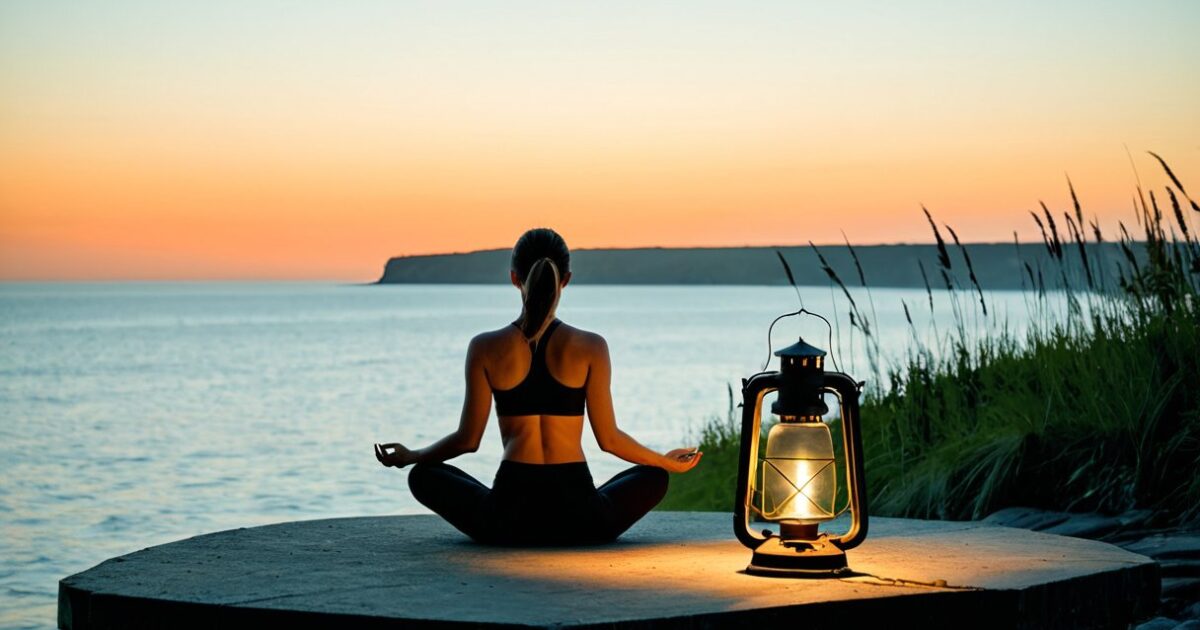
- Find Your Comfortable Seat: Begin by finding a comfortable, stable seated position. This could be Sukhasana (easy pose), Padmasana (lotus pose), or even seated in a chair with your feet flat on the floor. Ensure your spine is long, head balanced over your pelvis, and shoulders relaxed.
- Grounding Breath: Close your eyes gently. Bring your attention to your breath, noticing the natural rhythm without trying to change it. Feel the contact points of your body with the ground or chair. Take 5-10 slow, deep breaths, allowing your exhale to be slightly longer than your inhale, releasing any tension.
- Gentle Spinal Movement: From your seated position, perform gentle cat-cow movements with your spine. On an inhale, arch your back slightly and lift your chest; on an exhale, round your back gently, drawing your navel inward. Repeat this 5-8 times to lubricate the spine and encourage subtle energy flow.
- Shoulder and Neck Release: Slowly roll your shoulders up towards your ears, back, and down 3-5 times in each direction. Then, gently drop your right ear towards your right shoulder, holding for a few breaths, and repeat on the left side. Finish with gentle chin tucks, lengthening the back of your neck.
- Diaphragmatic Awareness: Place one hand on your chest and the other on your belly. Breathe deeply, aiming to move the hand on your belly more than the hand on your chest. Feel the diaphragm descend on the inhale and rise on the exhale. Practice this “belly breathing” for 2-3 minutes.
- Initial Breath Extension (Sama Vritti): Once comfortable with diaphragmatic breathing, begin to consciously equalize the length of your inhales and exhales. Count to 4 on the inhale, and 4 on the exhale. Do not strain; if 4 is too long, reduce the count. Continue for 2-3 minutes.
- Mindful Pause: Return to natural, unforced breathing. Sit in silence for a few moments, observing any shifts in your internal state. Notice the quiet, the sensations in your body, and the gentle rhythm of your breath without judgment.
- Gentle Return: When you are ready, slowly open your eyes. Take a moment to reorient yourself to your surroundings, carrying the sense of calm and centeredness into your day.
Common Mistakes
Forcing the Breath
Many beginners, eager to experience the benefits of pranayama, tend to force their breath, making it sharp, shallow, or strained. This can activate the sympathetic nervous system, leading to anxiety or hyperventilation, precisely the opposite of the intended effect. The ancient texts emphasize sukham, or ease, in practice.
Fix: Approach the breath with curiosity and gentleness. Imagine you are observing a delicate butterfly; any sudden movement might scare it away. Keep your breath smooth, quiet, and effortless. If you find yourself straining, reduce the duration or intensity of your breath retention or extension until it feels comfortable.
Ignoring Posture
Slouching, hunching, or having a collapsed chest can significantly impede the diaphragm’s movement and restrict lung capacity. Without a stable and upright posture, the energetic channels (nadis) are not optimally aligned, making deeper pranayama challenging or even counterproductive.
Fix: Prioritize a stable, comfortable, and upright seat. Use props like cushions or folded blankets to elevate your hips if needed, allowing your knees to be lower than your hips. Imagine a string gently pulling the crown of your head upwards, lengthening your spine without stiffness. Regularly check in with your posture during your practice.
Rushing the Process
Pranayama is a subtle practice that builds over time. Expecting immediate profound experiences or rushing through the preparatory steps can lead to frustration and a sense of failure. The body and mind need time to adapt and integrate the changes that breathwork brings.
Fix: Cultivate patience and consistency. Dedicate a short, regular time each day to your practice, even if it’s just 5-10 minutes. Focus on the journey, not just the destination. As Osho often taught about spiritual growth, there are stages of development; rushing through them often means missing crucial lessons. Acknowledge and celebrate small improvements rather than striving for perfection.
Lack of Awareness of the Exhale
Often, practitioners focus intensely on the inhale, attempting to draw in as much air as possible. However, a complete and relaxed exhale is crucial for releasing residual air, creating space for the next fresh inhale, and activating the parasympathetic nervous system for relaxation.
Fix: Consciously extend and soften your exhale. Imagine sighing out all tension, allowing your belly to gently draw in. Practice making your exhale slightly longer than your inhale. This emphasis on releasing allows the body to naturally prepare for a deeper, more nourishing inhale.
Overlooking the “Inner Landscape”
Pranayama is not just a physical exercise; it’s a profound practice of self-observation. Ignoring the mental and emotional states that arise during practice, or trying to suppress them, misses a key opportunity for self-understanding and integration. The breath is a bridge to the subconscious.
Fix: Cultivate a non-judgmental awareness of your thoughts and feelings as they arise during practice. Acknowledge them without getting entangled. Think of it as a form of active meditation, similar to what is taught in MBSR (Mindfulness-Based Stress Reduction). Let them pass like clouds in the sky, returning your focus gently to the breath. This mindful observation is a powerful aspect of owning our impact on our inner world.
How to Apply This in Real Life
The principles of conscious breathing and mindful preparation extend far beyond the yoga mat, offering practical tools for navigating daily challenges.
At Work: Imagine you’re facing a tight deadline or a challenging conversation with a colleague. Instead of immediately reacting with stress or frustration, take a “pranayama pause.” Find a quiet moment, even if it’s just a minute in the restroom. Close your eyes, lengthen your spine, and take 3-5 slow, deep breaths, focusing on a complete exhale. This simple act can lower your heart rate, clear your mind, and allow you to respond more thoughtfully rather than react impulsively. It’s about creating mental space before engaging.
In Relationships: Disagreements or emotional moments with loved ones can often escalate due to reactive communication. Before speaking in a heated moment, consciously prepare yourself. Step away for a moment if possible, or simply pause and take a few deep, grounding breaths. Notice the tension in your body, acknowledge the emotional charge, and then gently release it with your exhale. This small act of self-regulation allows you to approach the conversation from a more centered place, fostering understanding rather than further conflict. It’s about bringing the same gentle awareness to your internal state that you bring to your breath on the mat.
For Emotional Regulation: When anxiety, anger, or sadness feel overwhelming, the breath is an immediate anchor. Instead of trying to push the emotion away, acknowledge its presence. Then, use the principles of gentle, diaphragmatic breathing to soothe your nervous system. Focus on extending your exhales, perhaps counting to 6 or 8 on the exhale if comfortable. This signals safety to your brain and can help de-escalate intense emotions. It’s not about eradicating the emotion, but about creating an internal environment where you can observe it without being consumed by it, much like watching the tide come in and out.
When to Go Deeper (or Get Help)
While a foundational understanding of breath is accessible to most, the journey into advanced pranayama is not always a solo expedition. For many, integrating breathwork into a broader spiritual practice, such as exploring the energetic shifts described in Kundalini awakening, can be profoundly transformative. However, it’s crucial to discern when self-practice is sufficient and when external guidance becomes not just beneficial, but necessary.
If your exploration of breathwork is primarily for stress reduction, improved focus, or general well-being, and you’re experiencing positive, manageable results, then a consistent self-practice, perhaps guided by reputable online resources or books, is likely appropriate. The gentle, rhythmic nature of practices like coherent breathing or alternate nostril breathing (Nadi Shodhana) can be safely explored by most healthy individuals.
However, if you encounter any of the following, it’s a clear signal to seek qualified, in-person guidance:
- Intense Emotional Releases: While emotional catharsis can be a natural part of deep breathwork, overwhelming or unmanageable emotional states, especially those that persist beyond the practice, warrant professional support. A trauma-informed therapist or a highly experienced pranayama teacher can help you process these experiences safely.
- Persistent Physical Discomfort: Beyond a mild sensation of effort, any sustained pain, dizziness, hyperventilation, or heart palpitations during or after practice should be immediately addressed by a medical professional. Rule out physiological causes before continuing.
- Disorientation or Dissociation: Feeling consistently disconnected from reality, experiencing extreme spaciness, or having difficulty grounding yourself after practice are signs that your nervous system might be overwhelmed. This is a crucial point to pause and seek expert advice.
- Lack of Progress or Feeling Stuck: If you’ve been practicing consistently and feel you’ve hit a plateau, or are unsure how to refine your technique, a skilled teacher can offer personalized adjustments and insights that self-study cannot.
- Pre-existing Conditions: Individuals with heart conditions, high blood pressure, epilepsy, severe anxiety disorders, or a history of psychosis should always consult their doctor before engaging in any breathwork practice and only proceed under the direct supervision of a qualified teacher who understands their medical history.
A good teacher acts as a container, a guide who can hold space for your experience, offer nuanced adjustments to your technique, and help you integrate profound shifts. They understand that pranayama is not just a physical exercise but a powerful tool for psychological and spiritual transformation, and they are equipped to navigate its complexities. Just as Carl Jung emphasized the importance of integrating the shadow aspects of the psyche, a good pranayama teacher helps you integrate the deeper experiences that breathwork can bring forth.
Key Takeaways
- Prioritize gentle, preparatory practices like slow, deep abdominal breathing before attempting advanced pranayama.
- Cultivate body awareness and interoception; understand your nervous system’s baseline.
- Focus on the quality and smoothness of the breath, not just the duration or retention.
- Recognize that pranayama is not a performance but a subtle energetic and psychological practice.
- Listen to your body’s signals; discomfort is a cue to modify or stop, not to push through.
- Seek qualified, in-person guidance for intense emotional releases, persistent physical discomfort, or pre-existing health conditions.
- Integrate breathwork with mindful movement (like Iyengar yoga) and meditation for holistic benefits.
- Understand that the goal is balance and integration, not simply “more” breath or longer holds.
By approaching pranayama with respect, preparation, and a willingness to seek guidance when needed, we can unlock its profound potential for well-being, insight, and spiritual growth, moving beyond mere technique to a true mastery of our inner landscape.
Frequently Asked Questions
What’s the difference between pranayama and breathwork?
Pranayama, from the Sanskrit ‘prana’ (life force) and ‘yama’ (to control or extend), is a specific set of ancient yogic breathing techniques with prescribed sequences and intentions. While all pranayama is breathwork, not all breathwork is pranayama; modern breathwork practices often draw from various traditions but may lack the precise philosophical and energetic framework of classical pranayama.
Can pranayama be dangerous if done incorrectly?
Yes, improper pranayama can lead to discomfort, anxiety, hyperventilation, or exacerbate existing conditions, especially for those with respiratory or cardiovascular issues. It’s crucial to learn from a qualified teacher who understands the nuances of each technique and can guide you safely, particularly for more advanced retentions or rapid breaths.
Is there a specific time of day best for practicing pranayama?
Traditional texts often recommend practicing pranayama during the ‘brahma muhurta’ (roughly 90 minutes before sunrise) or at dusk, when the atmosphere is considered most sattvic (pure and tranquil). However, consistency is key, so find a time that works reliably for your schedule, ideally on an empty or lightly digested stomach.
How does pranayama relate to meditation?
Pranayama is often considered a bridge between the physical practices (asana) and the mental practices (meditation) in the eight limbs of yoga. By calming the nervous system and focusing the mind through breath control, pranayama naturally prepares the practitioner for deeper states of concentration and meditation.
Do I need to be flexible to practice pranayama?
No, physical flexibility is not a prerequisite for pranayama. While a comfortable seated posture is beneficial for sustained practice, you can practice pranayama effectively in any position that allows you to sit upright with an open chest and a relaxed spine, whether on a cushion, chair, or even lying down if necessary.

Meditation & Yoga Teacher
Anil Prakash has practiced and taught meditation and pranayama for fifteen years across several traditions, from MBSR to the active methods of Osho. He writes step-by-step, evidence-aware guides and always notes contraindications and safe practice.
Read Anil Prakash's full profile →✦
Editorial Standards
Practices on AfterDarkIntuition are researched from depth psychology (Jung), established spiritual traditions, and contemporary therapeutic frameworks. They are for self-reflection and personal growth — not medical, psychiatric, or crisis care. If you are in crisis, please contact a licensed professional or emergency services. About our editorial approach →
Editorial Note
Written for self-reflection and spiritual exploration. Not medical or psychological advice. Our editorial standards →
Written for self-reflection and spiritual exploration. Not medical or psychological advice. Our editorial standards →