Rituals
Jun 18, 2026
·
12 min read
·
Updated Jul 26, 2026
House Cleansing Ritual: How to Clear Negative Energy From Your Home
🕯 10 min read · June 18, 2026
Every home carries an imprint of its inhabitants’ thoughts, emotions, and actions. Over time, unresolved conflicts, lingering grief, or simply the chaotic buzz of daily life can embed subtle strands of negative energy within the walls, corners, and even the air we breathe. While modern cleaning tackles dust and clutter, a deeper, intentional house cleansing ritual can dissolve these unseen residues, restore harmony, and invite fresh, positive vibrations. Below is a comprehensive, step‑by‑step guide that blends ancient tradition with contemporary practicality, allowing anyone to transform their living space into a sanctuary of light and balance.
1. Preparing the Sacred Space
Before any physical or energetic work begins, it is essential to create a mental and physical buffer that signals to both body and spirit that a transition is underway. This preparation sets the tone, aligns intention, and protects you from residual negativity.
- Choose a calm moment: Early morning or twilight, when the world is quiet, offers the least external distractions.
- Gather tools: White sage or Palo Santo smudge stick, a bowl of sea salt, a small bell or chime, a quartz crystal, and a sprig of fresh rosemary.
- Set your intention: Speak aloud, “I release all stagnant, heavy energies from this home and invite bright, loving vibrations to fill every corner.” Write this sentence on a piece of paper and place it on your altar or a clean surface.
- Ground yourself: Stand barefoot on the floor, imagine roots extending from your feet into the earth, and breathe deeply three times, inhaling calm, exhaling tension.
2. Physical Decluttering and Deep Cleaning
Energy cannot flow freely through disordered, cluttered environments. A thorough physical cleanse not only removes dust but also symbolically discards old patterns that no longer serve you.
- Room‑by‑room sweep: Start at the front door and move clockwise, ensuring you never retrace steps. This direction follows the natural flow of chi in many traditions.
- Discard the unnecessary: Create three piles—keep, donate, and trash. Anything broken, expired, or that evokes a negative memory should go straight to the trash.
- Deep‑clean surfaces: Use a vinegar‑water solution for countertops, a microfiber cloth for windows, and a steam cleaner for carpets. Pay extra attention to hidden spots like under furniture and behind appliances.
- Freshen the air: Fill a spray bottle with distilled water, a few drops of lavender essential oil, and a pinch of sea salt. Lightly mist each room, allowing the scent to lift stagnant odors.
3. Energetic Purification with Smoke and Sound
Smoke cleansing (smudging) and sound vibration have been used for millennia to disperse negative fields. They work by ionizing the air, breaking up stagnant electromagnetic patterns, and realigning the space’s vibrational frequency.
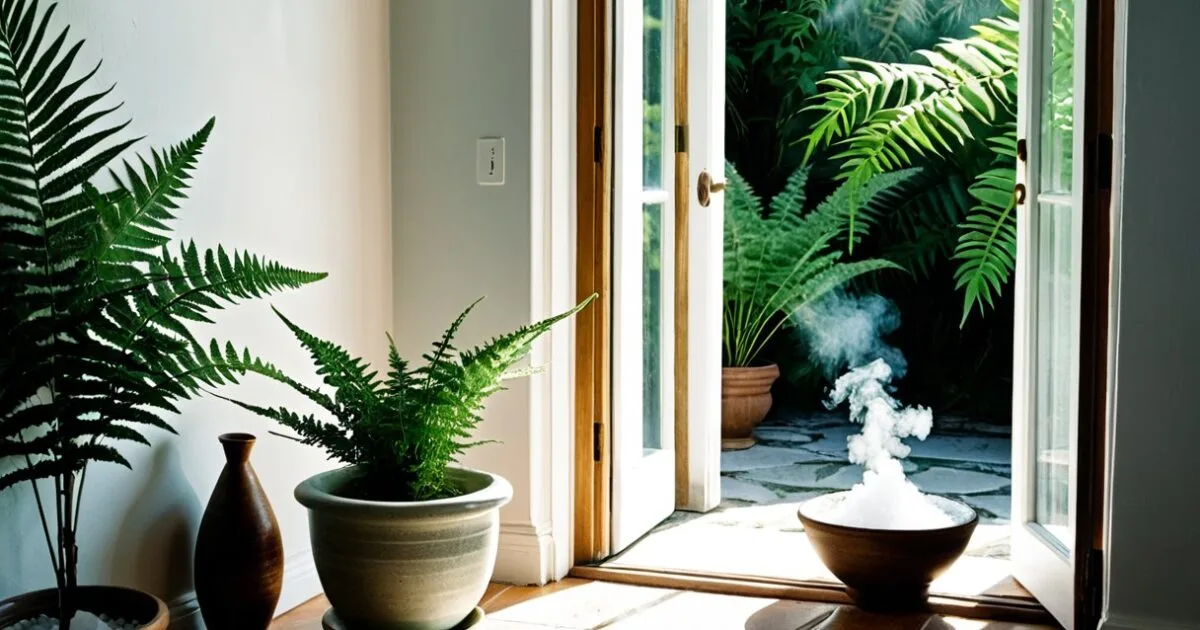
- Light the smudge stick: Hold the flame to the tip until it catches, then blow out the flame so the stick smolders, producing a steady stream of white smoke.
- Walk the perimeter: Starting at the front door, walk clockwise, allowing the smoke to drift into every doorway, window sill, and corner. As you move, gently wave the smoke with your hand, visualizing it absorbing any darkness.
- Use a bell or chime: After smudging each room, ring the bell three times. The sound frequency disrupts lingering low‑vibration clusters, making space for higher, clearer energy.
- Close the ritual: Extinguish the smudge stick by pressing it into a fire‑proof bowl of sand, never blowing it out, to safely seal the captured negativity.
4. Infusing Positive Energies
Having cleared the space, the next step is to actively introduce uplifting forces. Light, color, and intention act as catalysts that cement the transformation.
- Natural light: Open all curtains and blinds for at least 15 minutes. Sunlight not only dispels shadows but also recharges the home’s electromagnetic field.
- Crystal placement: Place a clear quartz point in the center of each major room. Quartz amplifies and stabilizes newly set intentions.
- Herbal sachets: Fill small cloth bags with dried rosemary, lavender, and a pinch of sea salt. Hang them in closets, near entryways, and on the backs of doors to maintain a lingering scent of purification.
- Mantra chanting: Stand in the heart of the living room, close your eyes, and repeat silently three times: “Peace, love, and light flow through me and fill this home.” Feel the vibration resonating with the walls.
5. Ongoing Maintenance and Seasonal Reset
Energy is dynamic; without regular attention, old patterns can creep back. Establishing a simple routine ensures that the home remains a beacon of positivity year after year.
- Weekly breath‑check: Every Sunday evening, walk the house with a small bowl of sea salt. Lightly tap the salt on thresholds while saying, “Only love may pass.” This quick act reinforces the protective barrier.
- Monthly smudge: Perform a condensed smudging session once a month, focusing on high‑traffic areas like the kitchen and entryway.
- Seasonal deep reset: At the start of each season, repeat the full ritual—declutter, deep clean, smudge, and re‑infuse. Align your intention with the season’s energy (e.g., spring for growth, autumn for release).
- Energy journal: Keep a small notebook near your altar. Record any shifts you notice—dreams, moods, or physical sensations. Over time, patterns will emerge, helping you fine‑tune future rituals.
6. Tailoring the Ritual to Personal Beliefs
No single approach fits every soul. The beauty of house cleansing lies in its adaptability. Below are optional variations that honor different cultural or spiritual frameworks.
- Feng Shui enhancements: Place a wooden water feature in the southeast corner to boost wealth energy, and a metal wind chime in the west to encourage creativity.
- Ayurvedic tones: Light a small lamp of ghee (clarified butter) in the northeast corner, the direction associated with spiritual upliftment, while chanting “Om” softly.
- Christian blessing: Sprinkle holy water in each doorway while saying, “May this house be filled with God’s peace and love.”
- Minimalist focus: If you prefer a non‑smoke method, substitute the smudge with a bowl of white vinegar placed in each room for 30 minutes; the vinegar’s neutralizing property works similarly on energetic residues.
By integrating these steps into a single, purposeful ceremony, you not only eradicate lingering negativity but also co‑create a living environment that mirrors your highest aspirations. Remember, the true power of any house cleansing ritual lies not in the tools themselves, but in the clarity of intention and the consistency of practice. May your home become a luminous sanctuary where peace, creativity, and love flow effortlessly.
7. The Psychology Behind Energetic Cleansing
While the tangible effects of house cleansing might seem esoteric, depth psychology offers compelling insights into why these rituals resonate so deeply. Carl Jung, the pioneering Swiss psychiatrist, spoke extensively about the collective unconscious and archetypes – universal, archaic patterns and images that derive from the collective experiences of humanity. Rituals, including house cleansing, tap into these archetypal patterns, providing a structured framework for psychological release and renewal.
From a psychological perspective, a cluttered, stagnant home can mirror an internal state of mind. Just as we might feel overwhelmed or stuck in our thoughts, our living spaces can accumulate emotional “dust bunnies” and energetic “cobwebs.” The act of physically decluttering (as discussed in section 2) is a tangible representation of clearing mental and emotional clutter. This isn’t merely about tidiness; it’s a symbolic act that signals to our subconscious that we are ready to release old patterns and embrace new possibilities. This practice aligns with principles found in mindfulness-based stress reduction (MBSR), where awareness of our environment is often linked to our internal well-being.
Furthermore, the intentional setting of an intention (as in section 1) and the use of sensory elements like smoke, sound, and scent are powerful psychological anchors. The aroma of white sage, for instance, has a long history of use in purification ceremonies by various Indigenous cultures, including many Native American tribes. Its distinct scent, combined with the visual of smoke, creates a potent sensory cue for the brain, signaling a shift in energy and intention. This phenomenon is akin to how specific scents can evoke strong memories or emotions, as explored in aroma-therapy practices. The repetitive, focused actions of a ritual can also induce a meditative state, reducing anxiety and promoting a sense of control and empowerment over one’s environment and inner landscape.
8. Historical Roots and Cross-Cultural Significance
The practice of house cleansing is far from a modern trend; it is a deeply embedded human tradition found across diverse cultures and throughout history. Its origins can be traced back to humanity’s earliest attempts to understand and influence their environment.
One of the most widely recognized forms of energetic purification is smudging, particularly with white sage. This practice has been utilized for centuries by numerous Indigenous peoples of North America, including the Lakota, Navajo, and Cherokee, among others. For these traditions, smudging is not merely about clearing negative energy; it is a sacred ceremony used for spiritual cleansing, blessing, and creating sacred space. The smoke is believed to carry prayers and intentions to the spirit world, while also purifying individuals and spaces. It’s crucial to approach the use of sage with respect and awareness of its cultural significance, acknowledging its origins rather than appropriating it without understanding.
Beyond North America, similar practices can be found globally. In ancient Rome, homes were purified with sulfur and laurel branches to ward off evil spirits and disease, a ritual known as “lustratio.” In some Hindu traditions, homes are regularly cleansed with specific mantras, the burning of incense (such as frankincense or myrrh), and the sprinkling of holy water or Ganga jal (water from the Ganges River), often accompanied by the chanting of “Om” or other sacred sounds. These practices are believed to invite deities, promote harmony, and remove obstacles.
The use of sound, as mentioned in section 3, also has ancient roots. From Tibetan singing bowls used in Buddhist monasteries for meditation and healing to the ringing of church bells in Christian traditions to dispel negative influences, sound vibrations have long been recognized for their ability to alter energetic states. The Elder Futhark runes, an ancient Germanic alphabet, were not only used for writing but also for divination and protection, often inscribed on homes or objects to imbue them with specific energies.
Even the concept of “spring cleaning” has deeper roots than mere domestic tidiness. Many cultures historically undertook thorough home cleanings at significant seasonal transitions, often coinciding with religious festivals or agricultural cycles. This was seen as both a practical and spiritual act, preparing the home for new beginnings and ensuring good fortune for the coming season. This historical continuum underscores the universal human desire to create and maintain sacred, harmonious living spaces.
9. Common Pitfalls and How to Avoid Them
While house cleansing is a powerful practice, certain missteps can inadvertently diminish its effectiveness or even create new energetic imbalances. Being aware of these common pitfalls can help you conduct a more potent and truly transformative ritual.
- Lack of clear intention: Merely going through the motions without a focused intention is perhaps the biggest pitfall. As psychologist Carl Jung noted, conscious intention is paramount in any ritualistic act. If you don’t clearly state what you wish to release and what you want to invite in, the ritual becomes a superficial exercise. Before you begin, spend a few moments meditating on your purpose.
- Incomplete cleansing: Failing to address all areas of the home, especially hidden or neglected spots, can leave pockets of stagnant energy. Remember the principle from section 2: energy flows freely through clear paths. Don’t skip closets, basements, attics, or even behind large furniture. These areas can act as energetic “storage units” for old emotions.
- Forgetting to seal the space: Clearing negative energy is only half the battle. If you don’t actively invite positive energy and set protective boundaries afterward, the space can quickly revert to its previous state or even become vulnerable to new imbalances. Section 4 on “Infusing Positive Energies” is crucial for this reason. Think of it like airing out a room; you wouldn’t just open the windows and then leave them open in a storm.
- Using inappropriate tools or methods: While adaptability (section 6) is key, using tools without understanding their traditional purpose or substituting them haphazardly can be less effective. For instance, while any pleasant scent can be uplifting, white sage and palo santo have specific traditional uses for purification due to their unique energetic properties. If you’re unsure, research the traditional uses of your chosen tools.
- Neglecting personal energetic hygiene: Your own energy state significantly impacts the cleansing process. If you begin a ritual feeling stressed, angry, or unwell, you risk transferring your own energetic “baggage” into the space. Grounding and centering practices (as in section 1) are not optional; they are essential for protecting yourself and ensuring you are a clear conduit for positive energy. Consider a brief meditation or a short Iyengar yoga sequence to prepare yourself.
- Infrequent maintenance: Energy is dynamic, not static. A one-time cleanse, while impactful, won’t sustain a high-vibration environment indefinitely. Just as a garden needs regular tending, a home’s energy requires ongoing care. The “Ongoing Maintenance” section (section 5) highlights the importance of regular, even small, practices to keep the energy flowing and vibrant.
This page describes what the Rituals tradition teaches and how people practise it. It is not a prediction and not medical, psychiatric or crisis advice. How we research and write · report an error