Tarot
Jun 25, 2026
·
9 min read
·
Updated Jul 26, 2026
Tarot Card Combinations: How to Read Cards Together for Deeper Meaning
🕯 7 min read · June 25, 2026
Tarot Card Combinations: How to Read Cards Together for Deeper Meaning
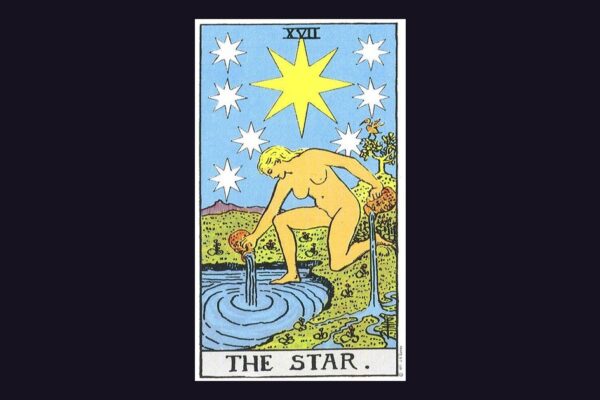
Have you ever pulled a single card that seemed perfectly accurate, only to find that the second card you drew completely shifted the narrative? Perhaps you pulled the Three of Swords, signaling heartbreak, but it was immediately followed by the Star, suggesting hope and healing. If you read these as isolated snapshots, you have two conflicting messages. But if you read them as a conversation, you have a story of recovery.
The true power of tarot does not lie in the memorization of individual card meanings, but in the synthesis of those meanings. Reading cards in combination is the difference between reading a list of words and reading a complete sentence. It is the transition from basic divination to a nuanced psychological and spiritual dialogue.
The Philosophy of Synthesis
In the Rider-Waite-Smith (RWS) tradition, each card functions as an archetype. When two or more archetypes appear together, they create a third, emergent meaning. This process is similar to the concept of synchronicity introduced by Carl Jung, where meaningful coincidences reveal the internal state of the seeker. Instead of viewing the cards as fixed predictors of a predetermined fate, we view them as mirrors reflecting the subconscious mind and the current energetic trajectory of a situation.
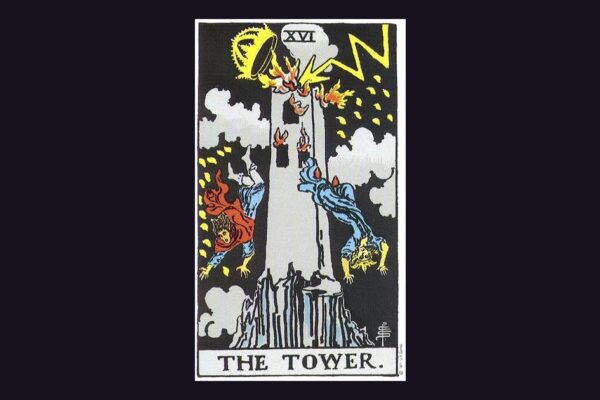
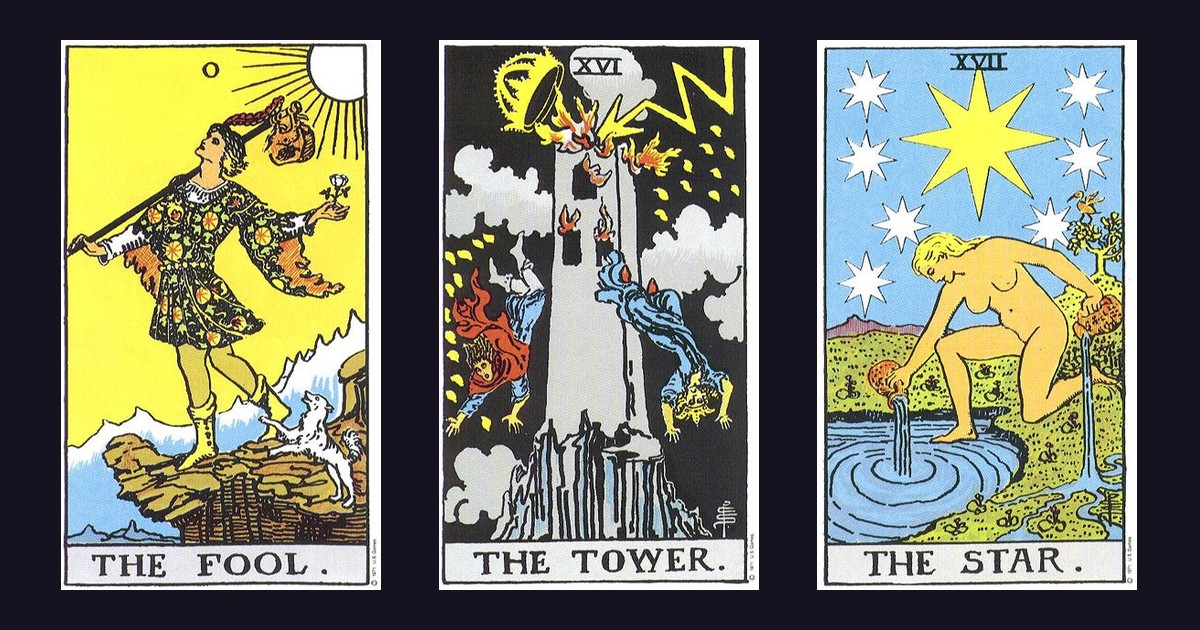
Reading combinations allows the practitioner to move beyond the binary of good or bad. A traditionally challenging card, like the Tower, takes on a different quality when paired with the Ace of Pentacles. Together, they suggest that a sudden collapse is the necessary precursor to a tangible, new beginning. The meaning is no longer just destruction; it is strategic clearance for growth.
Core Methods for Reading Card Combinations
To move from single-card interpretations to fluid storytelling, you can employ several established frameworks. These methods help ground the reading in logic and tradition, preventing the reader from projecting unfounded fantasies onto the spread.
The Modifier Method
In this approach, one card acts as the primary subject and the second card acts as the modifier. Think of the first card as the noun and the second as the adjective.
If the first card is the Two of Cups (partnership) and the second is the Eight of Swords (restriction), the partnership is the subject, and the restriction is the modifier. The meaning becomes a partnership that feels trapped or a relationship where communication is blocked. If the order were reversed, the restriction would be the subject, and the partnership would be the modifier, suggesting that a relationship is the key to breaking free from a mental prison.
The Narrative Bridge
The narrative bridge focuses on the movement between cards. This method views the spread as a timeline or a logical progression. You look at the space between the cards and ask: How did we get from point A to point B?
For example, if you pull the Page of Swords followed by the King of Swords, the narrative bridge is one of intellectual maturation. You are moving from the curiosity and raw energy of the Page to the mastery and strategic discipline of the King. The combination tells a story of growth, learning, and the refinement of a skill or a mindset.
The Element Balancing Act
By looking at the suits of the cards, you can determine the overall energy of a reading. In the RWS system, the suits correspond to the four elements: Wands (Fire), Cups (Water), Swords (Air), and Pentacles (Earth).
When you see a dominance of one element, it reveals the primary influence of the situation. A spread filled with Swords suggests a situation dominated by logic, conflict, or mental stress. A spread dominated by Pentacles points toward material concerns, health, or financial stability. If a reading is heavy on Fire and Water but lacks Earth, it suggests a situation with plenty of passion and emotion but no practical grounding. This elemental analysis provides a systemic check that keeps the reading grounded in reality.
Step-by-Step Guide to Practicing Combinations Tonight
You do not need years of study to begin reading combinations. You can start tonight by following these structured steps to develop your intuitive synthesis.
Step 1: Clear your space and mind. Take five minutes to center yourself. You might use a simple mindfulness practice, such as the focused breathing techniques found in MBSR (Mindfulness-Based Stress Reduction), to ensure you are observing the cards without emotional bias.
Step 2: Draw two cards. Avoid complex spreads for now. A simple two-card pull allows you to focus entirely on the relationship between the two images.
Step 3: Identify the primary energy. Look at the first card and identify its core theme. Is it an action, an emotion, or a challenge?
Step 4: Apply the modifier. Ask how the second card changes the first. Does it amplify it, contradict it, or provide a solution?
Step 5: Observe the visual cues. Look at the figures in the cards. Are they facing each other? Are they looking away? In the RWS deck, the direction of the gaze often indicates where the energy is flowing. If the figures are facing each other, there is a direct confrontation or connection. If they are facing away, there is avoidance or a disconnection.
Step 6: Formulate a sentence. Instead of saying, Card A means this and Card B means that, try to say, Card A is happening because of Card B, or Card A is leading toward Card B.
Advanced Combinations: Major and Minor Arcana
The interplay between the Major Arcana and the Minor Arcana adds a layer of scale to the reading. The Major Arcana represents overarching life themes, karmic lessons, and spiritual milestones. The Minor Arcana represents the day-to-day events, moods, and temporary circumstances.
When a Major Arcana card appears with a Minor Arcana card, the Major card provides the context. If you pull The Empress (Major) and the Five of Pentacles (Minor), the theme is abundance and fertility, but the current experience is one of lack. This suggests a situation where the potential for growth is immense, but the seeker is currently blinded by a feeling of scarcity. The Major Arcana tells you the destination, while the Minor Arcana tells you the current weather.
Ethical Considerations and Safety Notes
Tarot is a tool for reflection and psychological insight, not a crystal ball. It is essential to maintain a boundary between spiritual guidance and professional advice.
Avoid using card combinations to diagnose medical conditions or predict specific dates of death or tragedy. Tarot reveals tendencies and energies, not fixed destinies. Claiming that a combination of cards guarantees a specific financial windfall or a medical cure is a violation of ethical practice.
Furthermore, be mindful of the emotional state of the seeker. If a combination of cards suggests deep psychological distress, the most spiritual action is to encourage the person to seek licensed professional counseling. Tarot can supplement a spiritual journey, but it cannot replace clinical mental health support.
Integrating Logic and Intuition
Reading combinations is an exercise in balance. It requires the disciplined study of tradition and the open-endedness of intuition. This balance is similar to the philosophy of Iyengar yoga, where alignment and structure are the foundations that allow for deeper expression and flexibility. Without the structure of the card meanings, the reading becomes random projection. Without intuition, the reading becomes a rigid, lifeless recitation of a guidebook.
The goal is to reach a state of flow where the symbols begin to speak to you as a cohesive whole. You stop seeing the cards as separate entities and start seeing them as a map of the human experience.
The Path to Mastery
As you practice, you will notice that certain pairs appear frequently in your life. You might find that the Three of Swords and the Ten of Swords often appear together during periods of total transition, signaling that the pain has reached its peak and the only way left is up. These recurring patterns become your personal lexicon of meaning.
The beauty of reading cards together is that it acknowledges the complexity of life. Life is rarely a single emotion or a single event; it is a series of overlapping narratives. By learning to read combinations, you honor that complexity. You move from asking what will happen to asking why this is happening and how to navigate it with grace.
By synthesizing the archetypes, you transform the tarot from a deck of cards into a sophisticated tool for self-discovery. You begin to see the threads that connect your challenges to your triumphs, and your losses to your lessons. This is where the true magic of divination resides—not in the prediction of the future, but in the profound understanding of the present.
Frequently Asked Questions
Can card combinations tell me exactly when something will happen?
No. Tarot is not a chronological clock. While some readers use suits to suggest seasons, combinations indicate the quality and flow of energy rather than specific calendar dates.
Does a negative card always make a positive card negative?
Not necessarily. A challenging card can act as a catalyst for growth. For example, a card of conflict paired with a card of victory often suggests that the conflict was the necessary catalyst for the eventual success.
Should I memorize every possible combination of cards?
No. Memorizing thousands of combinations is impractical. It is more effective to learn the core meanings of the cards and the logic of synthesis, allowing you to derive the meaning organically based on the context of the question.
This page describes what the Tarot tradition teaches and how people practise it. It is not a prediction and not medical, psychiatric or crisis advice. How we research and write · report an error