Tarot
Aug 4, 2026
·
18 min read
Tarot’s Soul: Crafting Decks with Deep Intent
🕯 15 min read · August 4, 2026
In a world increasingly saturated with mass-produced spiritual tools, where every oracle deck seems to be churned out by the thousands, have you ever paused to consider the hands that craft these sacred objects? Have you wondered about the intention imbued in a deck created with singular focus, far from the hum of an assembly line? It’s a question that strikes at the heart of authenticity and connection in our spiritual practices.
Today, we delve into the philosophy of Ayshe-Mira Yashin, a voice whose commitment to handmade artistry resonates deeply within the tarot community. Her declaration, “I don’t ever want to hand my tarot deck to mass production,” isn’t just a personal preference; it’s a profound statement about the very nature of tarot itself. Join us as we explore the rich tapestry of tradition, psychology, and personal connection that underpins this powerful perspective.
The Hand-Crafted Tarot: A Lineage of Artistry and Intention
Ayshe-Mira Yashin’s stance on mass production echoes a lineage of artistry and intention that predates modern manufacturing. The earliest known tarot decks, such as the Visconti-Sforza Tarot from 15th-century Italy, were bespoke creations, hand-painted for noble families. These weren’t mere playing cards; they were intricate works of art, often imbued with allegorical and philosophical significance, crafted by skilled artisans. Each brushstroke, each gilded detail, spoke of a deliberate, focused energy. This historical context suggests that the very essence of tarot, in its nascent form, was intimately tied to individual creation and personalized meaning.
From a modern psychological perspective, particularly through the lens of depth psychology, Yashin’s philosophy touches upon the profound impact of conscious intention. Carl Jung, in his exploration of the collective unconscious and archetypes, recognized the power of symbolic imagery to tap into deeper psychological currents. The act of creating a tarot deck by hand, with focused attention and personal energy, can be seen as an alchemical process, imbuing the cards with a unique resonance. This isn’t about magical properties in a literal sense, but rather the way a consciously crafted object can become a more potent conduit for introspection and symbolic engagement. The care and intention put into a handmade deck can foster a stronger psychological connection for the user, making the archetypal imagery feel more immediate and personal. It’s a subtle but powerful difference, akin to the distinction between a mass-produced print and an original painting; both depict the same image, but one carries the palpable energy of its creator.
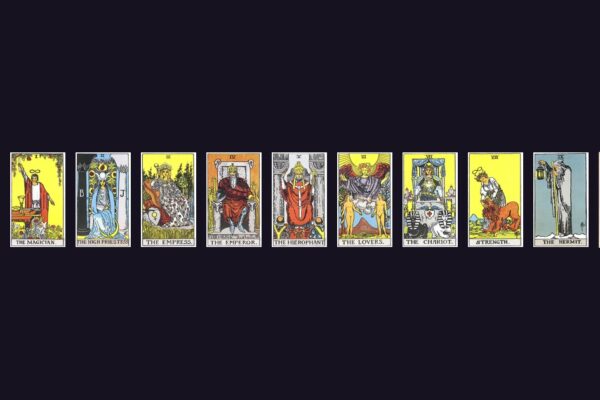
Moreover, Yashin’s commitment reflects a growing movement towards slow spirituality and mindful consumption. In an era of instant gratification, the deliberate pace of hand-crafting a deck encourages a more contemplative approach to spiritual practice. It pushes back against the commercialization of spirituality, advocating for a return to the intrinsic value of connection and authenticity. This isn’t to say that mass-produced decks lack value; indeed, the Rider-Waite-Smith (RWS) deck, a cornerstone of modern tarot, has been widely disseminated and profoundly impactful due to its accessibility. However, Yashin’s perspective highlights the unique quality that arises when a creator consciously chooses to limit production, prioritizing depth of connection over breadth of distribution. It’s a contemporary expression of an ancient wisdom: that true value often lies not in quantity, but in quality and the spirit of creation.
Before Engaging with Hand-Crafted Decks: The Hermit’s Lantern
Before truly appreciating the unique offerings of a hand-crafted tarot deck, or indeed any deck that champions a slower, more intentional creation process, one must cultivate certain foundational understandings. These aren’t esoteric secrets, but rather principles that allow for a deeper, more meaningful engagement with the cards. Think of it as preparing the ground before planting a rare seed, ensuring it has the best chance to flourish. The Hermit, card IX of the Major Arcana, with its lantern of inner wisdom, guides us in this introspection.
- Understanding the Creator’s Ethos: Just as one might research the lineage of an Iyengar yoga teacher to understand their approach, it’s beneficial to understand the creator’s philosophy. What inspires them? What traditions do they draw upon? Ayshe-Mira Yashin’s declaration isn’t just about production; it’s about a worldview that values artistry, intention, and perhaps even a resistance to the impersonal nature of mass markets. Knowing this helps contextualize the deck’s energy.
- The Intentionality of Symbolism: Every line, color, and figure in a tarot card carries symbolic weight. In a hand-crafted deck, this intentionality is often amplified. Familiarize yourself with common tarot symbolism, perhaps through resources like Rachel Pollack’s “Seventy-Eight Degrees of Wisdom,” to better interpret the creator’s unique visual language. The artist’s choices are not random; they are deliberate communications.
- Cultivating Personal Connection Over Universal Interpretation: While foundational knowledge of tarot is crucial, hand-crafted decks often invite a more personal, intuitive relationship. Osho’s stages of meditation, particularly the emphasis on active engagement and direct experience, can be a useful parallel here. Don’t just rely on book meanings; allow the unique imagery of the hand-crafted deck to speak to your own unconscious.
- Appreciating the Artistry as a Form of Meditation: The act of engaging with a hand-crafted deck can be a meditative practice in itself. The visual details, the textures (if applicable), and the very presence of a unique object can draw you into a state of mindful awareness. Practices like Mindfulness-Based Stress Reduction (MBSR) emphasize attention to the present moment; applying this to your interaction with the cards can deepen your insights.
- Releasing Expectations of Instant Insight: Hand-crafted decks, by their very nature, often encourage a slower, more contemplative pace. They are not always designed for quick, transactional readings. Be prepared to sit with the cards, to allow their unique energies to unfold over time, rather than demanding immediate, definitive answers. This echoes the patient wisdom of the Elder Futhark runes, where deeper meanings emerge through quiet contemplation rather than hasty interpretation.
…“I don’t ever want to hand my tarot deck to mass production,” Ayshe-Mira Yashin says, her voice firm yet gentle, reflecting a deep reverence for the craft. This commitment to the handmade, the unique, and the deeply personal is what sets her work apart in a world increasingly dominated by the digital and the disposable. For Yashin, each deck is not just a collection of cards, but a conduit for intuition, a conversation between artist, seeker, and the unseen.
The Hermit: A Night with Your Deck
Embarking on a journey with a new tarot deck, especially one as thoughtfully crafted as Yashin’s, is an intimate process. It’s not about memorizing meanings but forging a relationship. This evening, let’s invite the spirit of The Hermit – introspection, quiet contemplation, and inner guidance – to help us connect with our cards.
- Unboxing with Intention: Carefully unwrap your deck. As you do, take a few deep, conscious breaths. Acknowledge the artistry and the energy imbued in these cards. This isn’t just paper and ink; it’s a tool for self-discovery.
- First Impressions, Card by Card: Go through each card slowly, one at a time. Don’t try to memorize or interpret; simply observe the imagery, the colors, the feelings each card evokes in you. Notice any immediate pulls or repulsions.
- Your Deck’s Name: After handling each card, close your eyes and hold the deck in your hands. Ask it, silently or aloud, “What is your name? What is your spirit?” Listen for a word, a feeling, or an image. This is a practice in intuitive reception, much like how we might connect with a new animal companion.
- A Simple Question: Shuffle your deck gently. As you do, hold a simple, open-ended question in your mind – something like, “What do I need to know about myself right now?” or “What energy is present for me today?” Draw one card.
- Journal Your Encounter: Without consulting any books, describe the card you drew in your journal. What do you see? How does it make you feel? What message, however faint, does it seem to be conveying to your initial question? This is your personal dialogue with the card.
The Tower: When Readings Go Awry
Even with the best intentions and a deeply personal deck, tarot readings can sometimes feel like a sudden, unexpected jolt – much like The Tower card itself. When our expectations crumble or confusion reigns, it’s not a sign of failure, but an invitation to look closer. Here are common pitfalls and how to navigate them.
The “Blank Slate” Feeling
You draw a card, and it feels utterly meaningless, a blank slate. This often happens when our minds are too cluttered or our question is too vague. Instead of forcing an interpretation, try to clear your mental space. Engage in a brief mindfulness exercise, perhaps a few minutes of focused breathing. Then, re-examine the card with fresh eyes, asking, “What aspect of my current situation could this image possibly reflect?” Sometimes, the ‘blankness’ itself is the message – a need for rest or a period of unknowing before clarity emerges.
Over-Reliance on Book Meanings
New seekers often fall into the trap of immediately flipping to the guidebook. While guidebooks are valuable resources, becoming overly dependent on them can stifle your intuition. If you find yourself reaching for the book before you’ve even truly looked at the card, pause. Spend at least five minutes just gazing at the image, allowing your own associations and feelings to surface. Only after you’ve exhausted your personal insights should you consult the guidebook, using it as a supplemental layer of understanding, not the primary one. Remember, your personal connection to the imagery is paramount.
The “Bad Card” Panic
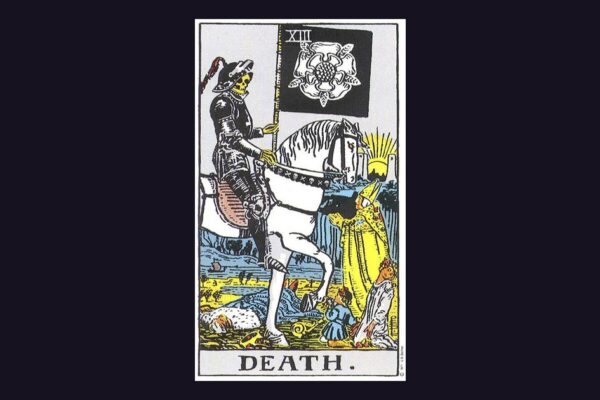
Drawing a card like Death, The Devil, or The Tower can trigger immediate anxiety. This reaction stems from a misunderstanding of tarot’s symbolic language. These cards are rarely literal harbingers of doom; instead, they represent transformation, challenge, or necessary upheaval. When you pull a seemingly “negative” card, resist the urge to panic. Instead, ask, “What is this card inviting me to release or change?” or “Where in my life is a significant shift occurring or needed?” Often, these cards are powerful catalysts for growth, not omens of misfortune.
The “Story Doesn’t Fit” Syndrome
You’ve laid out a spread, interpreted each card, but the overall message feels disjointed or doesn’t resonate with your current situation. This can be frustrating. One common reason is asking too many questions at once or not having a clear focus for the spread. Another is trying to force a narrative that isn’t there. When this happens, step back. Look at the spread as a whole. Is there an overarching theme or a dominant color palette? Sometimes, the individual cards are less important than the energetic impression of the entire spread. Consider drawing a single clarifying card for the whole reading, asking, “What is the core message I’m missing?”
The High Priestess: Integrating Intuition into Daily Life
The wisdom of The High Priestess reminds us that intuition isn’t just for formal readings; it’s a potent force to be integrated into the subtle currents of everyday existence. Yashin’s emphasis on the personal connection with a deck encourages us to weave this intuitive thread through our work, relationships, and emotional landscape.
At Work: Navigating Decisions with The High Priestess’s Insight
Imagine you’re facing a complex work decision – a new project, a difficult conversation with a colleague, or a career pivot. Instead of solely relying on logic and data, take a moment to connect with your inner High Priestess. Before a meeting or sending an important email, shuffle your deck and draw a single card, asking, “What subtle energy should I be aware of in this situation?” or “What is the unspoken truth here?” The card might not give you a direct answer, but it can illuminate an underlying dynamic or emotional current. For instance, drawing the Two of Swords might suggest a need to pause and weigh options carefully before acting, while the Queen of Wands could encourage confident, assertive communication. This isn’t about magical solutions, but about tuning into your deeper knowing, allowing it to inform your strategic choices.
In Relationships: Cultivating Empathy and Understanding
Relationships, whether romantic, familial, or platonic, are fertile ground for intuitive exploration. When misunderstandings arise or you feel disconnected from a loved one, a simple tarot practice can foster empathy. Before engaging in a conversation, consider drawing a card for the other person, asking, “What is the core emotional experience this person is navigating right now?” or “What perspective might I be overlooking?” If you draw the Five of Cups, it might suggest they are grappling with loss or regret, prompting you to approach them with greater gentleness. If it’s the King of Pentacles, perhaps they are feeling overwhelmed by practical responsibilities. This isn’t about invading privacy, but about cultivating a deeper, more intuitive understanding of their inner world, allowing you to respond with greater compassion and insight. This practice can be a powerful complement to mindful communication, much like the principles explored in Mastering Mind: Abhyasa and Vairagya in Practice, which emphasizes sustained effort and detachment from outcomes.
Emotional Regulation: Befriending Your Inner Landscape
Our emotional lives can often feel like a turbulent sea. When overwhelmed by anxiety, anger, or sadness, The High Priestess invites us to dive beneath the surface. Instead of suppressing or reacting, use your deck as a mirror. When you’re feeling a strong emotion, draw a card and ask, “What is this emotion trying to tell me?” or “What is the root of this feeling?” Drawing the Eight of Swords might indicate feeling trapped by your own thoughts, suggesting a need to challenge limiting beliefs. The Four of Swords could point to a need for rest and introspection to process the emotion. This contemplative approach helps you to observe your emotions without judgment, understand their origins, and ultimately, navigate them with greater wisdom and self-awareness, transforming them from disruptive forces into insightful messengers.
The Hermit’s Lamp vs. Shared Illumination
Ayshe-Mira’s dedication to the bespoke nature of her craft naturally extends to the very personal journey of self-discovery through tools like tarot. While a handcrafted deck, imbued with the artist’s unique spirit, offers an intimate connection, the path of introspection isn’t always meant to be walked alone. Self-practice, whether with tarot, meditation, or journaling, is a powerful foundation. It’s where we learn to listen to our own inner voice, to discern the subtle whispers from the clamor of external noise. Think of it as tending your own inner garden, a vital and continuous process.
However, there are times when the garden becomes overgrown, or when a particular plant refuses to bloom despite our best efforts. This is where the wisdom of a skilled teacher or therapist becomes invaluable. Carl Jung, the pioneer of analytical psychology, emphasized the importance of the unconscious and the shadow, aspects of ourselves that can be incredibly difficult to access or integrate without guidance. A therapist or a seasoned spiritual mentor can act as a mirror, reflecting back patterns we might be too close to see, or offering tools to navigate complex psychological terrain. For instance, if a recurring tarot spread consistently points to deep-seated anxieties or unresolved trauma, a deck, no matter how beautifully crafted, cannot offer the therapeutic intervention needed. This isn’t a failure of self-practice, but rather an intelligent recognition of its boundaries. Just as you wouldn’t expect a beautiful brush to paint a masterpiece without an artist, you shouldn’t expect a spiritual tool to heal deep wounds without the support of a trained professional. Knowing when to seek external guidance is a sign of maturity on the spiritual path, not a weakness. It’s about understanding that some journeys are best undertaken with a trusted guide, allowing us to delve deeper and more safely into our inner landscapes, much like exploring the nuanced interpretations of a challenging tarot spread (for more on navigating complex readings, see Decoding the Obscure: When Tarot Speaks in Riddles).
The Wheel of Fortune’s Practical Spokes
Ayshe-Mira Yashin’s philosophy, whether applied to the creation of a tarot deck or the cultivation of a spiritual life, underscores the importance of intentionality, authenticity, and a deep respect for the process. Bringing these threads together into your own practice doesn’t require you to become an artisan, but rather to embrace an artisanal mindset towards your inner world. Here are some practical considerations:
- Curate Your Tools with Care: Choose your spiritual tools—be it a tarot deck, a meditation cushion, or a journal—with the same discernment Ayshe-Mira applies to her materials. Let them resonate with your spirit.
- Embrace the Process, Not Just the Outcome: Understand that spiritual growth is a journey, not a destination. Value the insights gained from struggle as much as those from clarity.
- Honor Your Intuition as a Guide: Learn to differentiate between genuine intuitive nudges and wishful thinking. Regular practice helps hone this skill.
- Seek Depth Over Superficiality: Resist the urge for quick fixes or surface-level answers. True understanding often requires patience and repeated exploration.
- Recognize the Value of Solitude and Community: Balance your personal practice with the wisdom and support that can be found in shared spiritual spaces or with trusted mentors.
- Integrate Learning into Daily Life: Don’t compartmentalize your spiritual insights. Let them inform your decisions, relationships, and interactions in the everyday world.
- Maintain a Sense of Wonder: Approach your spiritual path with an open heart and a curious mind, ready to be surprised and delighted by what unfolds.
- Define Your Own “Mass Production” Line: Be mindful of what you’re willing to outsource or compromise in your spiritual journey. Some aspects are best kept sacred and personal.
Ultimately, the essence of Ayshe-Mira Yashin’s approach—whether to a tarot deck or to life itself—is about infusing every action with intention and integrity, creating something truly meaningful in a world often saturated with the mass-produced.
Frequently Asked Questions
What is the RWS Tarot deck?
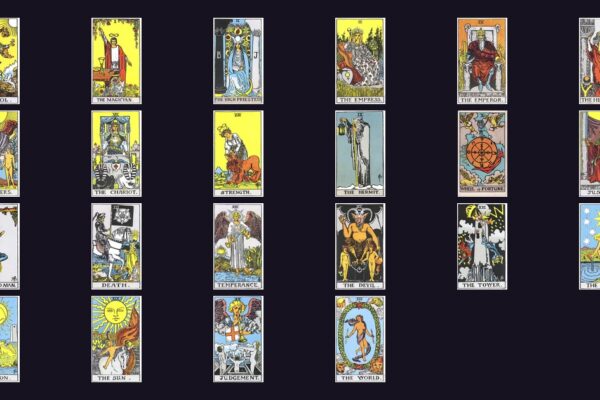
The Rider-Waite-Smith (RWS) Tarot deck is one of the most popular and influential tarot decks, first published in 1909. Its iconic imagery, designed by Pamela Colman Smith under the direction of Arthur Edward Waite, has become a foundational reference for many subsequent tarot decks and interpretations.
What are some common misconceptions about tarot readings?
A common misconception is that tarot predicts a fixed future; instead, many practitioners view it as a tool for self-reflection, exploring potential outcomes, and gaining insights into current situations. Another is that tarot is inherently evil or requires special ‘powers,’ when in fact, it’s often used as a psychological or spiritual guide, much like journaling or meditation.
How does depth psychology relate to tarot?
Depth psychology, particularly the work of Carl Jung, often views tarot archetypes as reflections of universal patterns within the collective unconscious. Tarot can serve as a symbolic language to access and understand these deeper psychological currents, offering insights into personal growth and self-discovery.
Is there a ‘right’ way to choose a tarot deck?
There isn’t a single ‘right’ way; many experienced readers suggest choosing a deck that visually resonates with you and feels good in your hands. Some prefer decks with traditional RWS imagery for ease of learning, while others are drawn to more artistic or niche decks that reflect personal aesthetics or spiritual paths.
Can tarot be used for personal development or spiritual growth?
Absolutely. Many individuals use tarot as a reflective practice, similar to mindfulness-based stress reduction (MBSR) or journaling, to explore their inner landscape, understand challenges, and identify paths for personal and spiritual growth. It can help illuminate unconscious patterns and foster greater self-awareness.
This page describes what the Tarot tradition teaches and how people practise it. It is not a prediction and not medical, psychiatric or crisis advice. How we research and write · report an error