Tarot
Aug 17, 2026
·
12 min read
Unveiling the Unseen: Tarot and Your Inner Blind Spots
🕯 10 min read · August 17, 2026
The Shadow’s Whisper in a Shifting World
In an age saturated with information and self-improvement narratives, it’s easy to feel as though every facet of our being has been meticulously cataloged and analyzed. We track our habits, journal our emotions, and seek out countless perspectives, all in pursuit of a more integrated and fulfilling life. Yet, despite our best efforts, there remain hidden corners within our psyche – unconscious patterns, unchallenged assumptions, and unacknowledged fears – that continue to subtly steer our choices and shape our realities. These are our psychological blind spots, and they often hold the very keys to unlocking deeper personal growth and more authentic connections.
The current cultural moment, marked by rapid change and a heightened call for self-awareness, makes confronting these blind spots more crucial than ever. As external structures shift and familiar patterns dissolve, the need to understand our internal compass becomes paramount. While traditional introspective practices offer valuable pathways, the ancient wisdom of Tarot provides a unique and often surprisingly direct lens into these unseen aspects of ourselves. Far from a fortune-telling parlor trick, Tarot, when approached with intention and a grounded understanding of its symbolic language, can serve as a potent tool for illuminating what lies just beyond our conscious grasp.
Beyond Fortune: Tarot as a Mirror to the Unconscious
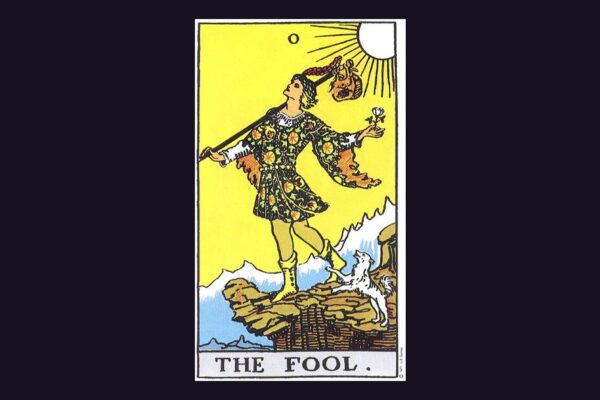
The history of Tarot is a rich tapestry, interwoven with Renaissance art, esoteric philosophy, and later, the groundbreaking work of depth psychologists like Carl Jung. While its exact origins are debated, by the 18th and 19th centuries, Tarot decks began to be systematically associated with mystical and divinatory practices. However, it was Jung’s work on archetypes and the collective unconscious that provided a profound framework for understanding Tarot’s power as a psychological tool. Jung viewed the archetypes depicted in the Major Arcana – the Fool, the Magician, the High Priestess, the Emperor, and so on – not merely as characters, but as universal patterns of human experience residing in the deepest layers of our psyche. When we interact with these images, we are, in essence, engaging with the fundamental building blocks of human consciousness.
This understanding is crucial when we consider Tarot’s role in revealing blind spots. A blind spot isn’t a deliberate deception; it’s an unconscious omission. It’s the part of the map we haven’t drawn, not because we chose not to, but because we didn’t know it was there. Tarot, through its symbolic language and the often-unsettling precision of its cards, bypasses our conscious filters. It speaks directly to the intuitive, non-linear parts of our minds, presenting images and narratives that can trigger recognition of patterns or truths we’ve been unwilling or unable to see. It’s not about the cards telling you what to do, but rather showing you aspects of yourself that are already present, waiting to be acknowledged.
A Practical Approach to Illuminating Your Unseen Self
Engaging with Tarot to reveal blind spots requires a specific intention and approach. This isn’t about predicting the future, but about gaining deeper self-knowledge. Here’s a grounded method you can use:
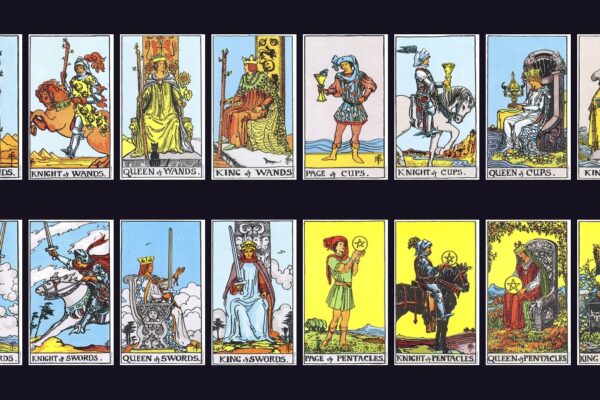
- Choose Your Deck with Intention: Select a deck whose imagery resonates with you. The Rider-Waite-Smith deck is a classic for a reason, but many modern decks offer diverse perspectives. The key is that the images speak to your intuition.
- Set Your Sacred Space: Find a quiet moment where you won’t be interrupted. Clear your mind, take a few deep breaths, and center yourself. This isn’t about elaborate rituals, but about creating an internal environment conducive to introspection.
- Formulate Your Question: This is perhaps the most crucial step. Instead of asking “What is my blind spot?”, which is too broad, ask something like:
- “What unconscious pattern is currently hindering my progress in [specific area]?”
- “What aspect of myself am I currently overlooking that needs my attention?”
- “What hidden assumption is influencing my reaction to [specific situation]?”
- “What fear or belief, currently operating beneath my awareness, is impacting my relationships?”
The question should be open-ended, focusing on self-discovery rather than seeking a definitive answer or prediction.
- The “Unveiling” Spread: A simple yet powerful three-card spread works beautifully for this:
- Card 1: The Current Conscious View: This card represents what you believe you already know about the situation or yourself. It’s your current conscious understanding.
- Card 2: The Unseen Influence/Blind Spot: This is the heart of the reading. This card will illuminate the unconscious pattern, hidden belief, or overlooked aspect that is impacting the situation. Pay close attention to its symbolism.
- Card 3: The Path to Integration: This card offers guidance on how to acknowledge, understand, and integrate the insight from the blind spot card. It’s not a solution, but a direction for conscious action or reflection.
- Interpret with Depth, Not Literalism: Once the cards are laid, don’t jump to immediate conclusions. Look at the imagery, the colors, the numbers, and the archetypal figures. How do they make you feel? What initial thoughts or memories do they trigger? Consult a reputable Tarot guide for basic meanings, but always filter them through your own intuition and the context of your question. For the “Blind Spot” card (Card 2), consider how its energy might be operating in your life without your full awareness. Does it represent a shadow aspect, an unacknowledged strength, or a limiting belief?
- Journal Your Insights: Write down your initial reactions, the card meanings, and any “aha!” moments. The act of writing helps solidify the insights and allows for deeper processing later. Revisit your journal entries after a few days or weeks to see if new layers of understanding emerge.
Common Pitfalls and How to Avoid Them
While Tarot is a powerful tool, it’s not immune to misinterpretation. One common misconception is viewing the cards as delivering absolute, unchangeable pronouncements. This mechanistic view robs Tarot of its true power as a dynamic tool for self-reflection. Remember, the cards reflect probabilities and energies, not fixed fates. Another pitfall is intellectualizing the reading too much, trying to force a logical explanation onto every symbol. Allow for intuition and emotion to play a role; the unconscious communicates through feeling and image as much as through thought. Finally, avoid asking the same question repeatedly if you don’t like the answer. This indicates a desire for a specific outcome rather than genuine self-inquiry, and it undermines the integrity of the practice.
By approaching Tarot with respect, an open mind, and a commitment to self-awareness, you can transform it from a mere novelty into a profound ally on your journey of personal growth. The blind spots we uncover are not weaknesses to be ashamed of, but rather fertile ground for evolution, offering us the opportunity to consciously choose a more aligned and authentic path forward.
Topic inspired by a discussion first seen at Daily Tarot Girl.
Tarot and the Shadow: A Jungian Dialogue
Delving deeper into the psychological underpinnings of Tarot, we find ourselves inevitably drawn to the concept of the Shadow, a cornerstone of Carl Jung’s analytical psychology. The Shadow, in Jungian terms, isn’t inherently evil, but rather comprises the unconscious aspects of the personality that the conscious ego does not identify with. It contains everything we’ve repressed, denied, or simply not acknowledged about ourselves – both positive and negative traits. Our blind spots often reside squarely within this unexamined territory.
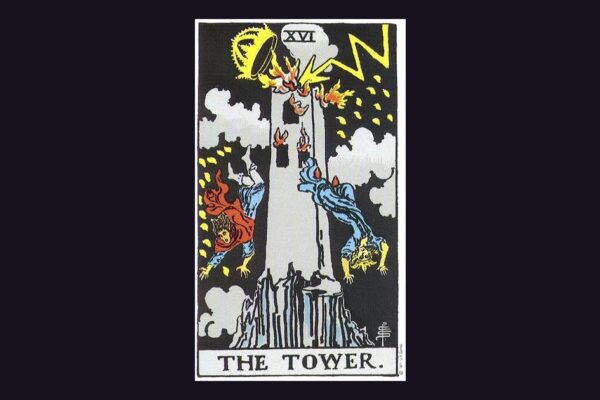
When a Tarot reading brings forth a card that feels uncomfortable, challenging, or even outright negative, it’s often an invitation to engage with a Shadow aspect. For example, drawing the Devil card might not signify literal evil, but rather an unconscious entanglement, an addiction (not necessarily substance-related, but perhaps to a pattern of thought or behavior), or a feeling of powerlessness that we’ve been unwilling to confront. Similarly, the Tower might point to a deeply held but ultimately destructive structure in our lives that we’ve resisted dismantling, even as it crumbles around us.
Jung believed that integrating the Shadow – bringing these unconscious elements into conscious awareness – is crucial for psychological wholeness and individuation. Tarot facilitates this process by presenting these aspects symbolically, allowing us to interact with them in a safe, reflective space. It’s a dialogue, not a diagnosis. Instead of recoiling from a challenging card, consider it a messenger from your unconscious, highlighting an area ripe for exploration. What emotions does it evoke? What hidden desires or fears might it represent? Engaging with these questions, perhaps through journaling or meditation, can begin the vital work of Shadow integration.
Beyond the Cards: Integrating Insights into Daily Life
A Tarot reading, no matter how profound, is only the first step. The true power lies in how we integrate the insights gained into our conscious lives. This isn’t about magical solutions, but about practical application and sustained self-awareness. Consider the practices rooted in mindfulness and contemplative traditions, such as those found in Mindfulness-Based Stress Reduction (MBSR) programs, which emphasize present-moment awareness without judgment. After a reading that reveals a particular blind spot, such as an unconscious tendency towards self-criticism (perhaps indicated by the Five of Swords or the Nine of Swords in a blind spot position), how can you bring that awareness into your daily experience?
- Mindful Observation: Throughout your day, consciously observe instances where this newly illuminated blind spot might be at play. If it’s self-criticism, notice when that inner voice arises. Don’t try to stop it immediately, but simply observe its presence.
- Journaling for Patterns: Continue to journal, not just about the Tarot reading, but about your daily experiences in relation to the insight. When did the blind spot manifest? What were the triggers? What were the consequences? This helps to map its territory.
- Intentional Action: Once you’ve observed the pattern, you can begin to introduce small, intentional shifts. If the blind spot is a tendency to avoid conflict (perhaps represented by the Two of Swords or the Hermit in an unhelpful aspect), practice speaking up in a low-stakes situation. This isn’t about perfection, but about gradual, conscious movement.
- Body Awareness: Our blind spots often manifest physically. Iyengar yoga, for instance, emphasizes precise alignment and deep body awareness, which can help us connect with how unconscious patterns are held in the body. If your blind spot is chronic tension due to unspoken anxieties, gentle stretches and breathwork can be incredibly revealing and releasing.
- Seeking Support: Sometimes, integrating a deeply ingrained blind spot requires more than self-reflection. A trusted friend, a therapist, or a spiritual mentor can offer valuable external perspective and support as you navigate these internal shifts.
Remember, integration is a continuous process, not a one-time event. The Tarot acts as a flashlight, illuminating the path; it’s up to us to walk it.
The Ethics of Self-Exploration: Respecting Boundaries and Process
As we engage with Tarot for self-exploration, particularly in uncovering sensitive areas like blind spots, it’s vital to approach the process with a strong ethical compass. This isn’t about external rules, but about cultivating a respectful and responsible relationship with your own psyche and the symbolic language of the cards. Osho, the spiritual teacher, outlined several stages of spiritual growth, one of which involves confronting inner conflicts and illusions. Tarot can accelerate this, but it requires mindful navigation.
- Honor Your Pace: Not every blind spot needs to be confronted head-on immediately. If a card or an insight feels overwhelming, acknowledge it and allow yourself time to process. Pushing too hard can lead to resistance or emotional burnout. It’s okay to put the cards away and revisit the question another day.
- Avoid Self-Judgment: The purpose of uncovering blind spots is not to berate yourself for what you haven’t seen, but to expand your self-awareness. Approach any uncomfortable revelation with curiosity and compassion, not harsh criticism. The Elder Futhark runes, another ancient divinatory system, often emphasize the cyclical nature of growth and the importance of accepting all aspects of self.
- Confidentiality and Privacy: While you might share insights with trusted individuals, remember that your Tarot readings are deeply personal. Protect the sacred space of your self-exploration. Not every insight needs to be broadcast or dissected by others.
- No Guarantees, Only Guidance: Understand that Tarot offers guidance and perspective, not definitive answers or solutions. It illuminates potential paths and hidden influences, but the ultimate choice and responsibility for action remain yours. Be wary of any internal or external voice that promises a quick fix or guarantees a specific outcome based on a reading.
- Discernment with Sources: When consulting Tarot books, online resources, or other readers, exercise discernment. Prioritize sources that emphasize psychological insight, personal growth, and ethical practice over sensationalism or fortune-telling. Look for approaches that resonate with a grounded, introspective philosophy.
By establishing these ethical boundaries, you ensure that your journey with Tarot remains a constructive and empowering one, fostering genuine self-discovery rather than leading to confusion or dependence.
This page describes what the Tarot tradition teaches and how people practise it. It is not a prediction and not medical, psychiatric or crisis advice. How we research and write · report an error