Tarot
Jul 31, 2026
·
7 min read
Your First Tarot Spread: More Than Just Three Cards
🕯 6 min read · July 31, 2026
The allure of tarot is undeniable. In a world brimming with uncertainty, the promise of clarity, self-reflection, and a deeper understanding of our inner landscape calls to us. Perhaps you’ve felt that pull, watching seasoned readers effortlessly weave narratives from a seemingly random scattering of cards, or maybe you’ve been gifted your first deck, its vibrant imagery promising secrets yet to be unveiled. For many, this initial encounter with tarot feels like standing at the edge of a vast, ancient forest – exciting, a little intimidating, and full of unknown paths.
Indeed, the “first tarot spread” isn’t just a physical act of laying out cards; it’s a profound initiation into a spiritual practice. It’s the moment you consciously step onto a path of self-discovery, inviting a dialogue with your intuition and the archetypal wisdom embedded within the tarot. But where to begin? With so many systems, spreads, and interpretations, the sheer volume of information can feel overwhelming. Fear not, for this journey, like all meaningful ones, begins with a single, deliberate step – one that is both accessible and deeply resonant.
Beyond Fortune-Telling: The Roots of Tarot Spreads
To truly appreciate your first tarot spread, it’s helpful to understand that its purpose extends far beyond predicting the future. While popular culture often casts tarot as a crystal ball, its historical and spiritual roots paint a much richer picture. Tarot cards, as we know them today, emerged in 15th-century Italy, initially as playing cards for games like Tarocchi. It wasn’t until the 18th and 19th centuries, influenced by esoteric traditions, hermeticism, and the burgeoning interest in symbolism, that tarot began to be used for divination and self-exploration.
Early occultists like Antoine Court de Gébelin and Jean-Baptiste Alliette (Etteilla) were instrumental in transforming tarot into a tool for understanding the human condition and the unseen forces at play. They saw the cards as a symbolic language, a pictorial representation of universal truths and psychological states. The concept of “spreading” the cards, arranging them in specific patterns, wasn’t just for aesthetics; it was a method to create a narrative, to allow the symbols to interact and illuminate different facets of a question or situation. These early spreads, though simpler than some modern elaborate configurations, were designed to provide structure to the intuitive interpretation, guiding the reader through a story told by the cards.
Therefore, when you approach your first spread, remember you are engaging with a centuries-old tradition of symbolic dialogue. You’re not just drawing cards; you’re opening a portal to your subconscious, inviting the archetypes to speak to your current experience. The spread itself acts as a framework, a structured conversation that helps you organize your thoughts and perceptions, offering insights that might otherwise remain hidden.
Crafting Your Inaugural Dialogue: A Simple Yet Profound Spread
For your very first tarot spread, simplicity is key. Resist the urge to jump into complex Celtic Crosses or elaborate astrological layouts. The goal is to build a foundational relationship with your deck and your own intuition. We’ll explore a classic three-card spread, but with an emphasis on mindful intention and reflective interpretation.
The “Present Moment Reflection” Spread
- Card 1: The Current Energy. This card represents the dominant energy or theme surrounding your situation right now. It speaks to your present state of being, your immediate environment, or the core of the issue you’re contemplating.
- Card 2: The Underlying Challenge/Opportunity. This card delves a bit deeper, revealing either a challenge you might be facing (consciously or unconsciously) or an opportunity for growth that is present. It’s the “what’s really going on beneath the surface” card.
- Card 3: The Path Forward/Guidance. This card offers actionable advice or a direction for resolution. It’s not a definitive prediction, but rather a suggestion for how to navigate the current energy and address the underlying challenge or embrace the opportunity.
Practical Steps for Your First Spread:
- Set Your Intention: Before even touching your cards, take a few deep breaths. Ground yourself. What question or area of your life feels most pressing right now? It doesn’t have to be a grand existential crisis; it could be “What energy should I focus on today?” or “How can I approach this new project effectively?” Formulate your intention clearly in your mind.
- Cleanse and Connect: Hold your deck in your hands. You might knock on it gently, shuffle it, or simply hold it to imbue it with your energy. This isn’t strictly necessary, but it helps establish a connection.
- Shuffle Mindfully: While shuffling, keep your intention in mind. You can shuffle until it feels right, or until a card pops out. Some people prefer to cut the deck into three piles and reassemble them.
- Draw Your Cards: Lay out three cards face down in a row. Take a moment to connect with each card before turning it over.
- Reveal and Reflect: Turn over Card 1. What are your immediate impressions? What images, colors, or feelings does it evoke? Consult a trusted tarot book or online resource for its traditional meaning, but always allow your intuition to speak first. Repeat for Card 2 and Card 3.
- Weave the Narrative: Now, look at all three cards together. How do they tell a story? How does the current energy (Card 1) relate to the challenge/opportunity (Card 2), and how does the guidance (Card 3) help you move through it? This is where the magic happens – connecting the dots and seeing the bigger picture. Journaling your insights can be incredibly valuable here.
Common Misconceptions and the Path of Authentic Practice
As you embark on your tarot journey, it’s crucial to address a few common misconceptions that can hinder authentic practice.
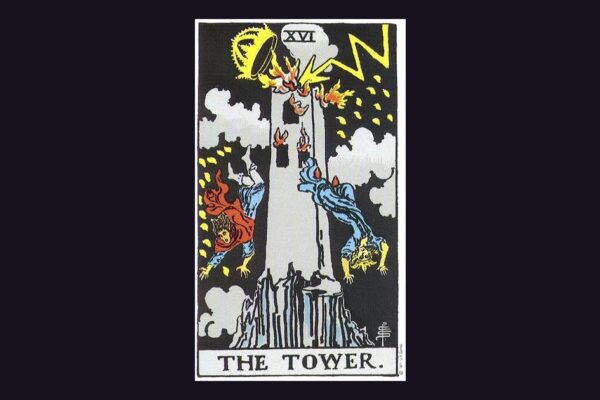
- “Bad Cards” or “Doom and Gloom”: There are no inherently “bad” cards in tarot. Cards like The Tower, Death, or the Ten of Swords often represent powerful transformations, necessary endings, or the release of old patterns. While they might signify difficult periods, they are ultimately catalysts for growth and new beginnings. Seeing them as purely negative robs you of their deeper wisdom.
- Tarot as a Fortune Teller: As mentioned, tarot is not about predicting a fixed future. The future is fluid and shaped by our choices. Instead, tarot offers insights into potential outcomes based on current energies and provides guidance on how to navigate those possibilities. It empowers you to make informed decisions, not to passively await your destiny.
- Memorizing Meanings vs. Intuitive Reading: While learning traditional card meanings is a valuable foundation, true tarot mastery comes from blending that knowledge with your own intuition. Don’t feel you have to perfectly recall every keyword. Allow the imagery, your feelings, and the context of your question to guide your interpretation. The cards are mirrors; they reflect what is already within you.
- One-Time Reading for a Permanent Answer: Tarot is a dynamic practice. Your situation, feelings, and understanding evolve. A reading offers a snapshot in time. Revisit your questions, or explore new ones, as your journey unfolds. Regular, reflective practice is far more beneficial than seeking a single, definitive answer.
Your first tarot spread is more than just an arrangement of cards; it’s an invitation to a profound conversation with yourself. Approach it with curiosity, respect, and an open heart. The insights you gain won’t always be easy, but they will always be authentic, guiding you toward greater self-awareness and a deeper understanding of your path.
Topic inspired by a discussion first seen at r/tarot.
This page describes what the Tarot tradition teaches and how people practise it. It is not a prediction and not medical, psychiatric or crisis advice. How we research and write · report an error