Tarot
Jul 10, 2026
·
12 min read
·
Updated Jul 25, 2026
How Accurate Are Tarot Readings? What Tradition, Psychology and Experience Say
🕯 9 min read · July 10, 2026
You shuffle the deck, lay out the cards, and feel the familiar tug of curiosity: how accurate are tarot readings, really? Whether you’re a seasoned practitioner or a first‑time seeker, the question lands in the same place — a desire to know whether the symbols on the table speak to something objective, or whether they merely mirror the hopes and fears you bring to them.
In the pages that follow you’ll get a complete answer grounded in three lenses: the living tradition that stretches from Renaissance Italy to contemporary circles, the psychological frameworks that explain why the cards feel meaningful, and the practical experience of readers who work with the deck every day. No hype, no hidden agendas — just the history, the theory, and the tools you need to decide for yourself.
What “How Accurate Are Tarot Readings? What Tradition, Psychology and Experience Say” Actually Is
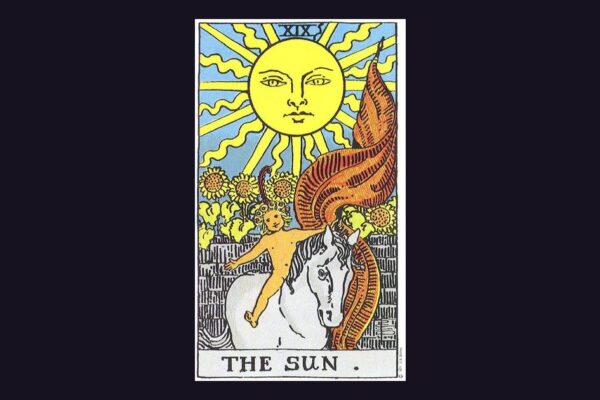
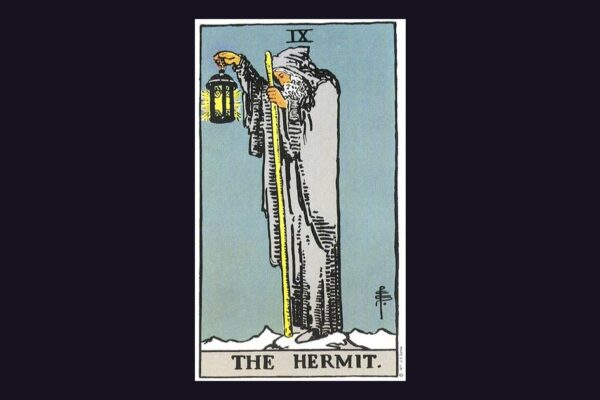
The tarot’s documentary trail begins in the mid‑15th century with the Visconti‑Sforza decks commissioned for the Milanese court. By the late 1700s the Marseilles pattern had standardized the 78‑card structure — 22 trump cards (the Major Arcana) and 56 suit cards (the Minor Arcana) — that still underpins most modern decks. The Hermetic Order of the Golden Dawn in the 1880s layered Kabbalistic correspondences, elemental dignities, and astrological attributions onto the cards, and Arthur Edward Waite’s 1909 Rider‑Waite‑Smith deck popularized illustrated scenes for every Minor Arcana card, making the symbolism accessible to a broader public.
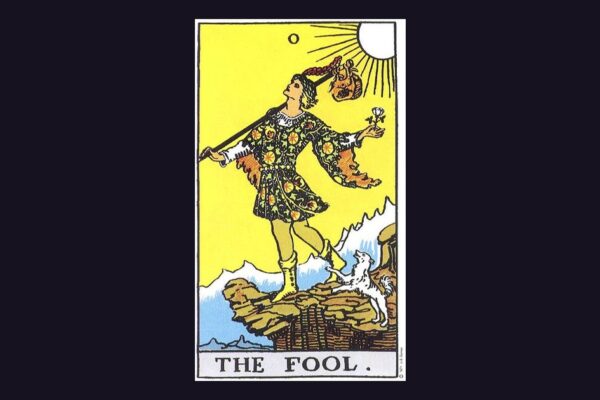
From a psychological standpoint, the deck functions as a projective instrument. Carl Jung identified the Major Arcana as archetypal images — The Fool, The Shadow, The Anima/Animus — that surface from the collective unconscious during a reading. Modern research on synchronicity and confirmation bias shows that the meaning a querent extracts often aligns with pre‑existing narratives, while the act of shuffling and selecting cards creates a ritualized space for intuitive pattern recognition. In practice, seasoned readers blend the traditional symbolism with a client‑centered dialogue, using spreads such as the Celtic Cross or the Three‑Card Past‑Present‑Future to structure the conversation rather than to predict a fixed future.
Experience tells us that accuracy is not a binary property. A reading that offers a clear, actionable insight — recognizing a hidden motive, surfacing a blind spot, or confirming a decision — feels “accurate” because it resonates with the querent’s lived reality. Conversely, a reading that merely repeats generic platitudes or forces a deterministic forecast tends to be dismissed. The consensus among respected practitioners (e.g., Rachel Pollack, Mary K. Greer, and the late Alejandro Jodorowsky) is that the cards are a mirror and a map: they reflect the inner landscape and suggest possible routes, but the traveler still chooses the path.
Core Concepts You Need to Know
- Major Arcana (22 cards) — Archetypal milestones such as The Magician, The High Priestess, Death, and The World; each represents a universal life theme.
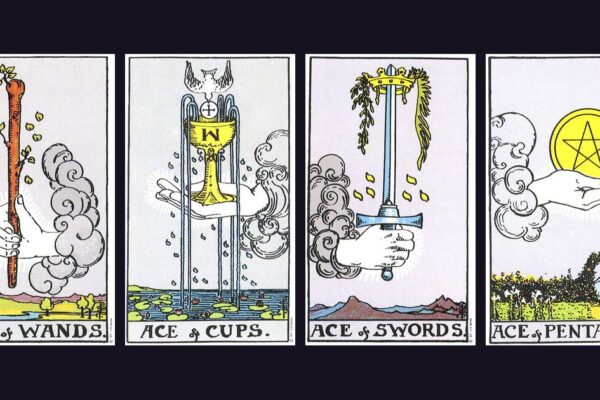
- Minor Arcana (56 cards) — Four suits (Wands, Cups, Swords, Pentacles) tied to the elements fire, water, air, earth; they describe everyday events and psychological states.
- Court Cards — Page, Knight, Queen, King in each suit; function as personality types, relational roles, or developmental stages.
- Numerology of the Pip Cards — Ace (beginnings) through Ten (completion) encode a cycle of initiation, challenge, integration, and resolution.
- Elemental Dignities — Fire supports fire, water weakens fire, etc.; used to assess how cards modify each other in a spread.
- Spread Architecture — Fixed positions (e.g., “cross” in the Celtic Cross) give each card a contextual role: situation, challenge, past, future, advice.
- Reversals — Upright vs. inverted orientation; traditionally read as blocked, internalized, or delayed expression of the card’s energy.
- Intuitive vs. Structured Reading — Some readers follow a strict symbolic system; others let spontaneous imagery guide the narrative; both are valid when applied consistently.
- Ethical Boundaries — No medical, legal, or financial diagnoses; focus on empowerment, consent, and the querent’s agency.
- Journaling and Feedback Loops — Recording readings and later outcomes sharpens discernment and reveals personal bias patterns over time.
Getting Started: A Beginner’s Daily Practice
-
1. Choose a deck that feels alive to you. Spend a few minutes handling the cards, noticing texture, imagery, and any intuitive pull that arises. Let the physical contact become a quiet conversation between hand and symbol.
-
2. Set a clear intention before each reading. Write the intention on a slip of paper and place it beside the deck to anchor the session. The written word turns a vague wish into a concrete directive for the cards.
-
3. Shuffle with purpose. Use the overhand or riffle method while silently repeating the intention, allowing the motion to become a moving meditation. Feel each cut as a subtle invitation for the deck to align with your query.
-
4. Draw a single card for a daily “anchor” reading. Record the card, immediate impressions, and any bodily sensations in a dedicated journal. This habit builds a personal lexicon that no guidebook can supply.
-
5. Consult a reputable reference only after your own notes. Turn to Waite, Crowley, or a modern guide you trust once you have captured your raw response. The external meaning then enriches rather than replaces your insight.
-
6. Reflect at day’s end on how the card’s themes appeared. Note events, conversations, or inner moods that echoed the imagery, without forcing a narrative. Patterns emerge naturally when observation stays patient.
-
7. After two weeks, review the journal for recurring symbols, numbers, or suits. Use those patterns to shape a simple three‑card spread for deeper questions. The spread becomes a map drawn from your own lived data.
Common Mistakes and How to Fix Them
Relying Exclusively on Guidebooks
Many beginners open a manual before they have let the card speak, allowing the author’s voice to drown out their own intuition. The fix is to write a personal impression first, then compare it with the text, treating the book as a dialogue partner rather than an authority. Over time the internal library grows stronger than any external source.
Asking Vague or Yes/No Questions
Questions like “Will I get the job?” produce binary answers that the tarot’s symbolic language cannot honor. Reframe the inquiry to an open‑ended form such as “What energies surround my career search right now?” This invites the cards to reveal dynamics, obstacles, and resources that a simple affirmative cannot.
Neglecting the Querent’s Energy and Grounding
Reading for another person while distracted, anxious, or ungrounded transfers noise into the spread. Before shuffling, spend a minute breathing deeply, feeling the feet on the floor, and visualizing a calm center. A centered reader becomes a clearer mirror for the symbols.
Using Overly Complex Spreads Too Soon
Ten‑card Celtic Crosses look impressive but overwhelm a novice who has not yet learned to read a single card’s nuance. Begin with one‑card draws, then progress to three‑card past‑present‑future or situation‑action‑outcome layouts. Mastery of small spreads builds the interpretive stamina needed for larger ones.
Treating the Deck as a Magical Oracle Rather Than a Reflective Tool
Viewing the cards as fortune‑telling devices that dictate fate removes personal agency and encourages superstition. Adopt a psychological lens: the images are prompts that surface subconscious material, which you then integrate through journaling, dialogue, or creative expression. The deck becomes a catalyst for self‑knowledge, not a decree from the unseen.
When a Live Professional Tarot Reading Adds What Self‑Reading Cannot
Objectivity and Mirror Work
A skilled reader brings an external perspective that is difficult to replicate when you shuffle for yourself. The practitioner can notice patterns — recurring suits, reversed cards, numerological clusters — that the querent’s own biases may gloss over. In the tradition of the Golden Dawn, the reader acts as a “mirror” reflecting the querent’s unconscious material back in a structured way, allowing the client to see blind spots without the ego’s immediate defense mechanisms.
Technique and Lineage
Professional readers often train in specific systems — Marseille, Rider‑Waite‑Smith, Thoth, or the French‑school “Jeu de Tarot” — and they apply the corresponding correspondences (elemental, astrological, Kabbalistic) consistently. This depth of technique means a spread such as the Celtic Cross or the Astrological Wheel is interpreted with a coherent symbolic grammar rather than an ad‑hoc intuition that can shift from session to session.
Ethical Container and Boundaries
A live session creates a contractual space: confidentiality, informed consent, and a clear agreement about the scope of the reading. The reader can refuse to answer questions that veer into medical, legal, or financial advice, redirecting the client to appropriate professionals. This ethical frame protects both parties and prevents the reading from becoming a substitute for necessary expertise.
Timing, Rhythm, and Follow‑Up
In a face‑to‑face or video reading, the practitioner can pace the revelation of cards, pause for reflection, and invite the client to articulate feelings as they arise. This rhythm mirrors the Hermetic principle of “as above, so below,” allowing the symbolic material to settle into lived experience. Many readers also offer a brief written summary or a follow‑up check‑in, which reinforces integration — something a solitary draw rarely provides.
Community and Accountability
Reputable readers belong to circles — such as the Tarot Association of the British Isles, the American Tarot Association, or local study groups — where peer review and continuing education are standard. Accountability to a community discourages sensationalism and encourages the reader to stay grounded in the symbolic tradition rather than chase viral trends.
Professional Tarot Reading Distinctions
- External perspective: A professional reader spots patterns and blind spots that self‑reading often misses.
- Structured technique: Training in a specific lineage (Marseille, Rider‑Waite, Thoth) gives a consistent symbolic grammar.
- Ethical boundaries: Clear contracts protect both client and reader from overreach into areas like health or law.
- Paced revelation: Live pacing and optional follow‑up aid integration of the reading’s insights.
- Community accountability: Membership in recognized tarot organizations encourages responsible practice.
- Complement, not replacement: Professional readings enhance personal practice; they do not substitute for self‑study or professional advice in other domains.
Frequently Asked Questions
Can tarot cards predict the future?
Traditional tarot practice, from the Marseille decks to the Golden Dawn system, treats the cards as a mirror of present energies and probable trajectories rather than a fixed script. Psychological research on projective techniques suggests the imagery activates unconscious pattern recognition, helping readers and querents perceive likely outcomes they already intuit. Experienced readers emphasize that free will and changing circumstances mean any ‘prediction’ is a probabilistic snapshot, not destiny.
Is tarot just cold reading or the Barnum effect?
Cold reading relies on vague statements and observational cues, while structured tarot systems like the Rider-Waite-Smith or Thoth decks use specific archetypal symbolism that constrains interpretation. Jungian psychology frames the cards as externalized archetypes that trigger meaningful coincidences — what Jung called synchronicity — rather than mere suggestion. Seasoned practitioners note that consistent, specific insights across different readers for the same querent challenge a purely cold-reading explanation.
Do you need psychic ability to read tarot accurately?
Historical traditions such as the French cartomancy lineage and the Hermetic Order of the Golden Dawn taught tarot as a learned symbolic language combined with disciplined intuition, not innate psychic gifts. Modern cognitive science views intuitive tarot reading as rapid pattern matching drawing on subconscious knowledge and embodied cognition. Many professional readers describe their skill as a muscle developed through study, practice, and ethical feedback loops rather than supernatural endowment.
Why do tarot readings sometimes feel inaccurate or wrong?
Traditional texts like Etteilla’s or Waite’s Pictorial Key warn that reader bias, poor question formulation, and the querent’s resistance can distort the reflection. Psychological factors such as confirmation bias, emotional projection, and the Forer effect explain why seekers may misremember hits and forget misses. Experienced readers treat apparent inaccuracies as invitations to re-examine the spread’s context, timing, or the querent’s readiness to hear the message.
How does psychology explain why tarot works?
Depth psychology, particularly Jung’s theory of the collective unconscious and archetypes, sees tarot images as catalysts for bringing latent psychic material into conscious awareness. Narrative psychology shows that constructing a story from the cards helps individuals organize chaotic experience into coherent meaning, improving decision-making. Clinical anecdotes and qualitative studies note that tarot-assisted reflection correlates with increased self-efficacy and insight, though it’s not a substitute for therapy.
This page describes what the Tarot tradition teaches and how people practise it. It is not a prediction and not medical, psychiatric or crisis advice. How we research and write · report an error