Tarot
Jun 25, 2026
·
9 min read
How to Cleanse and Bond With a New Tarot Deck

🕯 7 min read · June 25, 2026
How to Cleanse and Bond With a New Tarot Deck
Have you ever held a brand new deck of tarot cards in your hands and felt a strange hesitation, as if the cards were strangers who did not yet speak your language? Or perhaps you felt an overwhelming surge of energy from the artwork, yet wondered if the deck carried the residual impressions of the warehouse, the shipping process, or the hands of those who packaged it. This initial period of introduction is a critical phase in the relationship between the reader and their tool. While the cards are ultimately pieces of cardstock and ink, the act of cleansing and bonding serves as a psychological and spiritual bridge, transitioning the deck from a commercial product to a personal instrument of reflection.
The Philosophy of the Initial Connection
In the realm of divination, the deck acts as a mirror. Whether you are using the classic Rider-Waite-Smith system or a modern interpretation, the images serve as archetypes. Carl Jung, the Swiss psychiatrist and founder of analytical psychology, proposed that archetypes are universal, archaic patterns and images that derive from the collective unconscious. When you bond with a deck, you are not magically charging the paper; rather, you are aligning your own subconscious mind with these universal symbols.
Cleansing is the process of clearing the mental and energetic slate. Bonding is the process of establishing a rapport. By performing these steps, you signal to your conscious mind that you are entering a state of focused intuition, moving from the mundane noise of daily life into a space of introspection.
Methods for Cleansing Your New Deck
Cleansing is the act of neutralizing the energy of the deck. In various spiritual traditions, this is seen as removing the static left behind by the manufacturing and distribution process.
Smoke Cleansing and Aromatic Clearing
One of the most established methods across various cultural traditions is the use of aromatic smoke. Using a bundle of dried herbs, such as sage or cedar, you pass the deck through the smoke. This practice is rooted in the tradition of smudging, intended to clear the space of stagnant energy.
To do this safely, light your incense or herb bundle in a heat-proof bowl. Gently waft the smoke over the cards, either by fanning the smoke over the deck or by passing the deck through the smoke clouds. Ensure the room is well-ventilated to avoid inhaling too much smoke, and keep the flame far away from the cardstock to prevent scorching.
The Element of Earth and Salt
Salt has been used for millennia across Mediterranean and Asian cultures as a purifying agent. In many traditions, salt is believed to absorb negative or chaotic energy.
To cleanse with salt, place your deck inside a breathable cloth bag. Set the bag inside a larger container filled with sea salt. Leave the deck there for 24 hours. It is vital to keep the cards inside a bag; direct contact with salt can degrade the finish of the cards and cause physical damage to the paper. This method is grounded in the idea of grounding, pulling the energy of the deck back to a neutral, earthy baseline.
Sound and Vibrational Clearing
Sound is a powerful tool for shifting the atmosphere of a room. Using a singing bowl, a bell, or even a tuning fork, you can clear a deck through vibration. The science of resonance suggests that certain frequencies can alter the mood of a space. By ringing a bell over the deck, you are using sound to break up stagnant energy. This is a non-invasive method that is particularly useful for those who prefer a clinical or minimalist approach to their spiritual practice.
Establishing the Bond: The Integration Phase
Once the deck is cleansed, the next step is bonding. This is the process of synchronizing your intuition with the imagery of the cards. Bonding is less about magic and more about psychological familiarity.
The Sorting and Study Method
The most grounded way to bond with a deck is through mindful observation. Take the deck and lay out every card one by one. This is a process of active recognition.
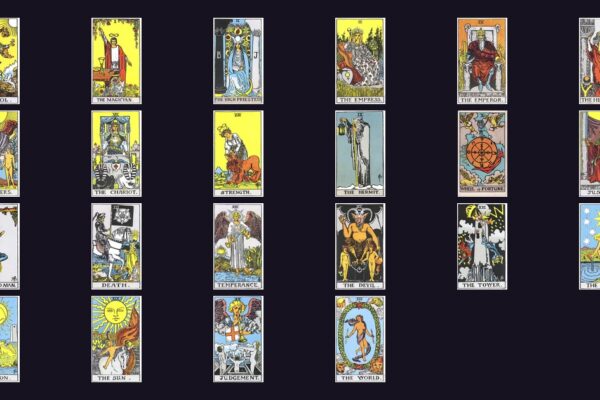
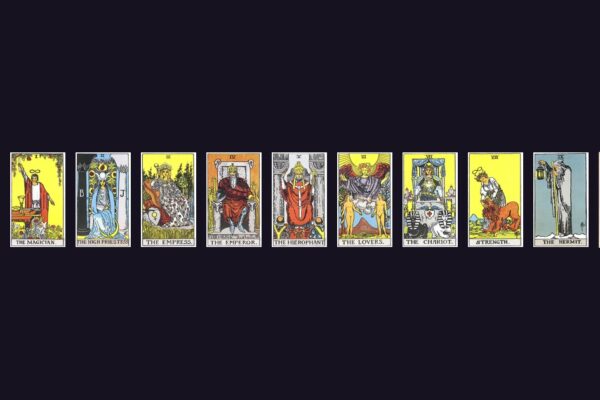
Begin with the Major Arcana. Look at the Fool, the Magician, and the High Priestess. Instead of reading the guidebook immediately, observe how the imagery makes you feel. Does the imagery evoke a sense of anxiety, hope, or curiosity? By doing this, you are mapping the deck’s visual language to your own emotional landscape. This mirrors the practice of mindful observation found in Mindfulness-Based Stress Reduction (MBSR), where the goal is to observe a stimulus without immediate judgment.
The Sleep Integration Technique
Many practitioners place their new deck under their pillow or on their nightstand for several nights. From a psychological perspective, this associates the deck with the subconscious state of sleep and dreaming. By keeping the cards in your immediate personal space during your most vulnerable and receptive hours, you integrate the tool into your private sanctuary.
The First Dialogue: The Three-Card Introduction
To formally begin the bond, perform a simple introductory spread. Ask the deck a question about the relationship you will share.
- What can this deck teach me?
- What aspect of my intuition will this deck amplify?
- How can we best work together?
As you draw the cards, do not search for a fixed fate. Instead, view the answers as prompts for reflection. If the Three of Swords appears for what the deck can teach you, it may suggest that this deck will be particularly effective at helping you process grief or heartache.
Advanced Bonding through Somatic Practice
To deepen the connection, you can incorporate somatic movements. The body and mind are inextricably linked, and bringing the body into the ritual anchors the experience.
Centering through Breathwork
Before you touch the cards, engage in a brief centering exercise. Using techniques similar to those found in Iyengar yoga or basic pranayama, take three deep diaphragmatic breaths. Inhale for four counts, hold for four, and exhale for eight. This lowers the heart rate and moves the nervous system from a state of fight-or-flight into a state of rest-and-digest. When you touch the cards from this state of calm, your readings will be more grounded and less influenced by momentary stress.
The tactile Connection
Hold the deck in your dominant hand and close your eyes. Feel the weight of the cards, the texture of the edges, and the temperature of the material. By focusing entirely on the tactile sensation, you are practicing a form of grounding that brings you fully into the present moment. This ensures that when you begin to read, you are operating from a place of presence rather than distraction.
Maintaining the Energy of Your Deck
Bonding is not a one-time event but a continuous relationship. As you use your deck, it will accumulate the energy of the questions you ask and the emotions of the people you read for.
Periodic Cleansing
Just as you would tidy a room, you should occasionally cleanse your deck. If you have just completed a particularly heavy or emotional reading, a quick pass of incense or a few minutes of sound clearing can reset the energy. This prevents emotional residue from clouding your future interpretations.
Respecting the Tool
Treating the deck with respect is a psychological reinforcement of its importance. Storing the deck in a silk wrap or a wooden box creates a boundary between the tool and the chaos of the outside world. This act of care reinforces your commitment to the practice and signals to your mind that the act of divination is a sacred, intentional process.
A Grounded Approach to Divination
It is important to remember that tarot is not a tool for predicting a fixed, unchangeable destiny. Rather, it is a system of symbols that encourages the user to look at their life from a different angle. The bond you build with your deck is actually a bond with your own intuition. The cards are simply the catalyst.
By cleansing and bonding, you are not performing a supernatural feat; you are creating a ritual of intention. Rituals provide structure to the psyche, allowing us to transition from the role of the employee, parent, or student into the role of the seeker. This transition is where the most profound insights are found.
The relationship with a tarot deck evolves over time. Some decks will feel like old friends, while others may feel like challenging mentors. By following these established traditions of cleansing and bonding, you ensure that your journey into the subconscious is approached with clarity, respect, and a grounded sense of purpose.
Frequently Asked Questions
Do I need to cleanse my deck every time I use it?
No, daily cleansing is not necessary. Most practitioners cleanse their decks after a heavy reading, once a month, or when they feel the readings have become stagnant or confusing.
Can I use different cleansing methods together?
Yes, you may combine methods, such as using sound clearing followed by a night of sleep integration. Ensure that any physical methods, like salt or smoke, are done safely to protect the physical integrity of the cards.
What happens if I forget to cleanse a new deck?
Nothing negative occurs; the cards will still function as a tool for reflection. However, the ritual of cleansing helps the reader mentally transition into a focused state, which often leads to more intuitive and clear interpretations.
This page describes what the Tarot tradition teaches and how people practise it. It is not a prediction and not medical, psychiatric or crisis advice. How we research and write · report an error