Tarot
Jul 11, 2026
·
3 min read
Unlocking the Mysteries of the Rider-Waite-Smith Tarot
🕯 2 min read · July 11, 2026
A Multidimensional Tarot Renaissance
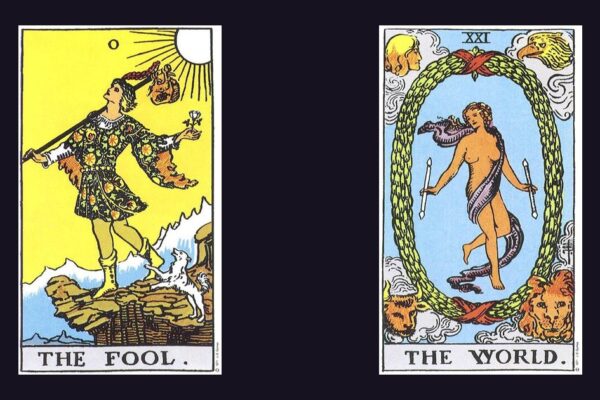
Tarot enthusiasts seeking deeper meaning and connection in their practice are driving a surge of interest in the Rider-Waite-Smith (RWS) deck. This classic 78-card set, originally published in 1909, is renowned for its rich symbolism and esoteric depth. And as modern practitioners explore ways to elevate their tarot work, many are turning to RWS variants that incorporate astrological correspondences and reversed card meanings — tools that can unlock profound layers of interpretation.
History, Tradition, and the Mythic Subconscious
The RWS deck was created through a collaboration between occult scholar A.E. Waite and artist Pamela Colman Smith. Drawing on the Hermetic Qabalah, Jungian archetypes, and other mystical currents, they designed a deck that serves as a “visual encyclopedia of occultism” — one that has become the most widely used and influential tarot system worldwide. By infusing the cards with astrological symbolism and delineating both upright and reversed meanings, the RWS approach taps into the collective subconscious in a uniquely multidimensional way.
Mastering the Upright and Reversed RWS Tarot
Upright Meanings: The upright RWS cards present clear, archetypal themes and narratives that speak to our universal human experiences. Whether it’s the adventurous spirit of the Fool, the nurturing embrace of the Empress, or the transformative power of Death, these iconic illustrations offer a wellspring of insight into our inner landscapes.
Reversed Meanings: Exploring the reversed, or “shadow,” aspects of the RWS cards can be a profound gateway to self-discovery. A reversed card might signify a blockage, an imbalance, or a lesson that requires deeper integration. By learning to interpret these nuanced interpretations, practitioners can gain remarkable clarity about the challenges and opportunities unfolding in their lives.
Astrological Correspondences: A Cosmic Lens
Integrating astrological correspondences into RWS tarot work can elevate the practice to a whole new level of depth and meaning. Each of the 22 Major Arcana cards is associated with a specific zodiac sign, planet, or astrological principle, offering an additional layer of symbolic understanding. For example, the Magician card is linked to the planet Mercury, reflecting themes of communication, intellect, and manifestation. Exploring these celestial connections can lend profound insight into a querent’s current astrological transits and soul journey.
Dispelling Common Misconceptions
One common misconception about the RWS tarot is that it’s an antiquated system, better suited for old-world mystics than modern seekers. In reality, the deck’s timeless archetypes and multidimensional approach make it more relevant than ever in our complex, interconnected world. Another myth is that mastering reversed meanings and astrological associations is too complex for beginners. On the contrary, these tools can be gradually incorporated into one’s practice, unlocking richer, more nuanced readings from the very start.
Ultimately, the RWS tarot — with its upright/reversed dynamics and celestial correspondences — represents a profound gateway into the mythic subconscious. By embracing this multifaceted system, today’s tarot enthusiasts are tapping into a universal language of symbols that has the power to illuminate the soul’s journey, foster self-awareness, and catalyze profound transformation.
Topic inspired by a discussion first seen at r/tarot.

Tarot & Symbolism Specialist
Mara Vey has read tarot and Elder Futhark runes for over a decade and writes on the psychology of symbols. She approaches divination as a tool for reflection rather than fortune-telling, grounding every reading in documented tradition.
Read Mara Vey's full profile →✦
Editorial Standards
Practices on AfterDarkIntuition are researched from depth psychology (Jung), established spiritual traditions, and contemporary therapeutic frameworks. They are for self-reflection and personal growth — not medical, psychiatric, or crisis care. If you are in crisis, please contact a licensed professional or emergency services. About our editorial approach →
Editorial Note
Written for self-reflection and spiritual exploration. Not medical or psychological advice. Our editorial standards →
Written for self-reflection and spiritual exploration. Not medical or psychological advice. Our editorial standards →