Tarot
Aug 16, 2026
·
12 min read
Your Stars Hollow Soul Map: Tarot & the Maidens Journey
🕯 9 min read · August 16, 2026
The Comfort of Lore, The Insight of Cards
In an increasingly complex world, many of us find solace in stories that offer a sense of order, wit, and deep human connection. From ancient myths to modern television series, these narratives provide a framework for understanding our own lives and relationships. Lately, a fascinating trend has emerged in the spiritual community, particularly among those who seek wisdom through the tarot: a desire to connect beloved fictional worlds with the profound insights of cartomancy. This isn’t about mere entertainment; it’s about leveraging the resonant power of narrative to make personal introspection more accessible and meaningful.
The allure of a “Gilmore Girls Tarot Spread,” for instance, speaks to a deeper yearning. It’s a testament to how deeply we connect with characters and their journeys, and how readily we can project our own dilemmas onto their fictional lives. This phenomenon, while seemingly lighthearted, taps into a long-standing tradition of using archetypal figures and symbolic narratives – be it from classical mythology, folklore, or even contemporary pop culture – as lenses through which to examine our own experiences. It’s a playful yet potent entry point into serious self-reflection, inviting us to explore our inner Stars Hollow with the wisdom of the cards as our guide.
Archetypes, Narrative, and the Ancient Roots of Pop Culture Spreads
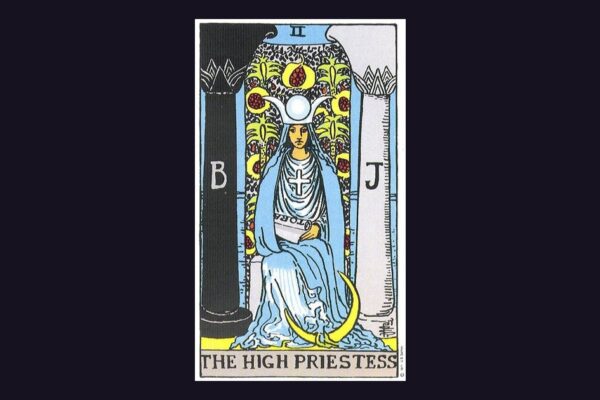
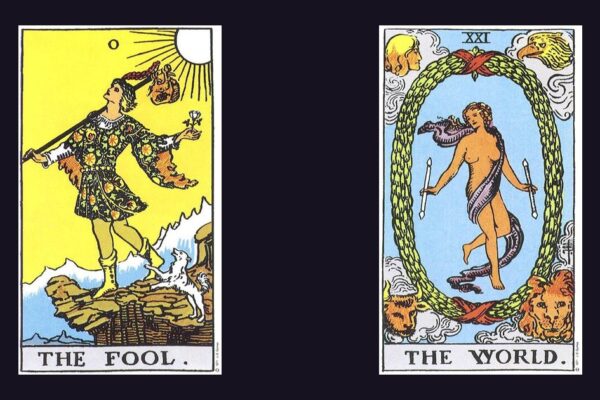
While the phrase “Gilmore Girls Tarot Spread” might sound like a modern invention, its underlying principle is as old as divination itself. Tarot, at its heart, is a system of archetypes and narrative. The Fool’s journey, the Emperor’s authority, the High Priestess’s intuition – these are universal patterns of human experience. Historically, divinatory practices often drew from the prevailing cultural narratives of their time. Ancient Roman augurs interpreted the flight of birds based on their understanding of omens and myths; medieval mystics saw reflections of biblical stories in their visions. The integration of popular narratives into divination isn’t new; it’s a continuous evolution of how we make sense of the world through symbolic language.
What we’re seeing now with pop culture tarot spreads is a contemporary manifestation of this tradition. Fictional universes like Stars Hollow, with their rich character development, recurring themes, and relatable challenges, provide a ready-made set of archetypes and scenarios. Rory’s academic ambition, Lorelai’s independent spirit, Luke’s steadfast loyalty, Emily’s societal expectations – these aren’t just characters; they’re facets of the human experience that resonate deeply. When we frame a tarot reading around these figures or their narrative arcs, we’re not trivializing the tarot; we’re giving it a familiar, accessible language through which to communicate profound truths. It allows us to ask questions like, “What’s my ‘Rory moment’ right now?” or “How can I embody Lorelai’s resilience in this situation?” – framing personal challenges within a narrative we already understand and care about.
Crafting Your Own Narrative Spread: A Practical Approach
Creating a narrative-based tarot spread, whether inspired by Stars Hollow or another beloved story, is a deeply personal and insightful practice. It’s not about finding a pre-made “Gilmore Girls Spread” online, but about intelligently mapping the story’s themes and characters to specific questions or aspects of your life. Here’s a grounded approach to doing so:
- Identify Core Themes & Conflicts: What are the central dilemmas, relationships, and aspirations that drive the narrative? For Gilmore Girls, this might include mother-daughter dynamics, career vs. passion, small-town life vs. big-world ambitions, or the quest for identity.
- Assign Archetypal Roles/Characters: Which characters embody specific energies or challenges?
- Lorelai: Independence, wit, unconventional path, mothering, fear of commitment.
- Rory: Ambition, intellect, self-discovery, navigating expectations, friendship.
- Luke: Steadfastness, quiet support, integrity, hidden depths, community.
- Emily: Tradition, societal expectations, complex love, material concerns.
- Stars Hollow Itself: Community, belonging, comfort zone, potential limitations.
These aren’t static assignments; a character might represent different things depending on the specific question.
- Formulate Position Questions: Instead of generic positions like “past, present, future,” craft questions that directly relate to the narrative and its characters. These questions should invite introspection through the lens of the story. For example:
- Position 1: My “Lorelai Moment” – What independent spirit or unconventional path am I being called to embrace? (Card drawn here would offer insight into this aspect.)
- Position 2: My “Rory’s Choices” – What academic or life path decisions am I currently facing, and what wisdom do I need?
- Position 3: The “Luke’s Diner Wisdom” – What steadfast, grounded advice or support is available to me, perhaps from an unexpected source?
- Position 4: The “Emily’s Expectations” – What societal or familial pressures am I navigating, and how do I honor myself within them?
- Position 5: My “Stars Hollow Comfort” – What familiar comforts or community connections do I need to lean on right now?
- Position 6: The “Coffee Refill” – What immediate energy or inspiration is needed to keep me going?
- Draw and Interpret: Once your positions are set, draw your cards. Interpret each card not just by its traditional meaning, but specifically through the lens of the question and the character/theme it represents. How does The Tower relate to “Emily’s Expectations”? Perhaps it signifies a necessary breakdown of old structures. How does The Star speak to “Rory’s Choices”? It might suggest hopeful guidance towards a unique path.
- Synthesize the Narrative: After interpreting individual cards, step back. What story is the spread telling you? How do these “Gilmore Girls” archetypes weave together to offer guidance for your current situation?
This method transforms a simple spread into a rich, personalized narrative, making the insights both memorable and deeply resonant.
Beyond the Novelty: The True Value of Narrative Spreads
It’s easy to dismiss “pop culture tarot spreads” as a frivolous trend, a marketing gimmick for the spiritual-curious. However, this perspective misses the deeper psychological and spiritual utility they offer. The misconception is that tarot must always be presented in a somber, overtly spiritual tone to be legitimate. In truth, the power of tarot lies in its ability to access the subconscious and provide symbolic language for our inner world.
By connecting tarot to familiar narratives, we lower the barrier to entry for self-reflection. For someone new to tarot, or even someone who finds traditional spreads intimidating, framing questions within the context of a beloved story can make the process feel less daunting and more engaging. It leverages our innate human capacity for storytelling to unlock insights we might otherwise overlook. It’s not about replacing traditional tarot study; it’s about providing an accessible on-ramp, a different angle of approach, to the same profound wisdom. The “Gilmore Girls Tarot Spread” isn’t just about fun; it’s a testament to the enduring power of story to illuminate our personal truths and guide us on our own unique maiden’s journey.
Ultimately, whether you’re navigating a “Rory-esque” crossroads or seeking “Lorelai’s” courage, the tarot, when intelligently applied to resonant narratives, offers a powerful mirror for self-discovery. It reminds us that our personal sagas, like those of our favorite characters, are rich with meaning, challenge, and endless possibilities for growth.
Topic inspired by a discussion first seen at New Age Hipster.
The Psychological Resonance: Why Narrative Spreads Work
From a psychological perspective, the effectiveness of narrative-based tarot spreads, like our “Stars Hollow Soul Map,” isn’t surprising. Carl Jung, the Swiss psychiatrist and founder of analytical psychology, posited the existence of a “collective unconscious” populated by archetypes – universal, archaic patterns and images that derive from the collective human experience. These archetypes, such as the Hero, the Wise Old Man, the Great Mother, or the Trickster, manifest in myths, dreams, and, significantly, in the characters and stories that resonate most deeply with us. The appeal of a character like Lorelai Gilmore, with her fierce independence and witty resilience, taps into the archetype of the rebellious individual or the nurturing yet unconventional mother figure. Rory’s journey reflects the archetype of the Seeker or the Innocent, navigating the world with idealism and ambition.
When we engage with a narrative spread, we are, in essence, activating these archetypal patterns within our own psyche. The fictional characters become accessible stand-ins for aspects of ourselves or the challenges we face. This process is akin to what depth psychologists call “active imagination,” where one engages in a dialogue with figures from the unconscious to gain insight. By framing a tarot reading through the lens of a beloved story, we create a safe, familiar container for exploring potentially challenging personal issues. The distance provided by the narrative allows for a more objective, less emotionally overwhelming engagement with our internal world, fostering self-reflection without immediate ego defenses. It’s a form of playful projection that leads to profound self-discovery, allowing us to see our own struggles and triumphs mirrored in the journeys of characters we admire.
Beyond Stars Hollow: Adapting Narrative Spreads to Your Own Story
While the “Stars Hollow Soul Map” offers a delightful entry point, the true power of narrative spreads lies in their adaptability. You are the protagonist of your own life, and your personal story is the richest source of archetypes and themes. Imagine crafting a spread not around fictional characters, but around significant people, places, or pivotal moments in your own history. This could be a powerful tool for self-integration and understanding.
Consider these steps for personalizing your narrative spread:
- Identify Key Life Chapters or Periods: Think about distinct phases of your life – a challenging academic period, a transformative relationship, a career transition, a period of grief or joy. Each of these chapters holds its own lessons and energies.
- Pinpoint Personal Archetypes/Influences: Who are the significant “characters” in your life story? This could be a mentor, a challenging family member, a supportive friend, or even a past version of yourself. What recurring “themes” or “conflicts” define your journey? (e.g., the quest for belonging, overcoming self-doubt, balancing ambition and rest).
- Formulate Autobiographical Position Questions: Instead of asking “What is my ‘Rory moment’?”, ask “What am I learning from my ‘College Years Chapter’?” or “What guidance do I need regarding my ‘Relationship with my Inner Critic’?” Frame questions that invite dialogue with your personal history and inner landscape. For example:
- Position 1: The “Origin Story” – What foundational beliefs or experiences from my early life are influencing me now?
- Position 2: The “Mentor Figure” – What wisdom or guidance from a significant person (past or present) can I draw upon?
- Position 3: The “Crossroads Moment” – What pivotal decision am I facing, and what are the potential paths forward?
- Position 4: The “Shadow Self” – What unacknowledged fears or aspects of myself need integration or understanding?
- Position 5: The “Future Vision” – What is the highest aspiration for my next chapter, and how can I align with it?
- Engage with the Cards, Engage with Yourself: Draw your cards and allow their symbolism to speak directly to your personal narrative. This practice, often facilitated by journaling, can deepen self-awareness and provide a unique perspective on your life’s unfolding story. It moves beyond external narratives to directly engage with your own profound journey, making the tarot an even more potent mirror for your soul.
Common Pitfalls and How to Avoid Them
While narrative spreads are wonderfully insightful, a few common missteps can dilute their efficacy:
- Overly Specific Character Assignments: Don’t force a card to fit a character’s exact personality if the general archetypal energy doesn’t align. The goal is resonant insight, not a perfect character match. If you draw the Five of Swords for “Luke’s Diner Wisdom,” it’s probably not about Luke being sneaky, but about a potentially contentious truth being offered with grounded, perhaps blunt, honesty.
- Ignoring Traditional Card Meanings: Narrative spreads enhance, but do not replace, the foundational meanings of the tarot. A card like The Tower still signifies disruption and sudden change, regardless of which character’s position it lands in. The narrative merely provides a specific context for that disruption (e.g., “The Tower in ‘Emily’s Expectations’ might mean a dramatic shift in societal pressures or a breakdown of traditional structures that Emily represents”).
- Seeking Fictional Character Outcomes: The purpose isn’t to predict if you’ll end up with your own “Jess” or “Dean.” It’s to use the narrative framework to understand your own choices, challenges, and potential. The cards offer guidance for your journey, not a script for a TV show.
- Lack of Reflection: Drawing cards is only half the process. The true magic happens in the interpretation and subsequent integration of the insights. Take time to journal, meditate, or discuss your spread with a trusted friend. What did you learn? How can you apply this wisdom to your life? Without this reflective step, even the most ingenious narrative spread becomes just a collection of pretty pictures.
This page describes what the Tarot tradition teaches and how people practise it. It is not a prediction and not medical, psychiatric or crisis advice. How we research and write · report an error