Tarot
Jul 28, 2026
·
16 min read
Beyond Binary: The Nuance of Tarot Readings
🕯 13 min read · July 28, 2026
In the quiet anticipation of a Tarot reading, a common question echoes: “Will it be a ‘yes’ or a ‘no’?” This seemingly simple query, often posed with a hopeful or anxious heart, reveals a fundamental misunderstanding of what Tarot truly offers. It’s a question born from a desire for certainty, a longing for a definitive answer to life’s complex dilemmas, but one that ultimately limits the profound wisdom the cards can impart.
If you’ve ever felt that a “yes” or “no” answer from Tarot left you feeling hollow, or that the cards seemed to evade your direct questions, you’re not alone. This article will guide you beyond the simplistic binary, exploring how to engage with Tarot as a nuanced tool for self-discovery and conscious decision-making, rather than a mere fortune-telling device. We’ll delve into the rich history and psychological depth of the cards, offering practical insights to transform your readings from predictive guesswork into profound dialogues with your inner landscape.
The Hermetic Roots and Jungian Echoes of the Tarot
To understand why Tarot resists a simple “yes” or “no,” we must first appreciate its intricate origins and the psychological frameworks that lend it such enduring power. The Tarot, as we largely know it today, emerged in 15th-century Italy, not as a divinatory tool, but as playing cards for games like Tarocchi. It wasn’t until the 18th century, with figures like Antoine Court de Gébelin, that the cards began to be associated with ancient Egyptian wisdom and esoteric symbolism, a connection that, while historically dubious, cemented their place in Western esotericism.
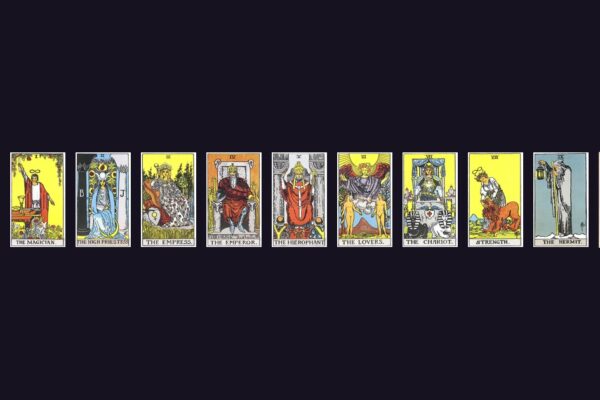
The system truly blossomed with the Hermetic Order of the Golden Dawn in the late 19th and early 20th centuries, whose members, including A.E. Waite and Pamela Colman Smith, developed the iconic Rider-Waite-Smith (RWS) Tarot deck. This deck, with its rich pictorial narrative, moved beyond mere pips, offering a visual language that spoke to the deeper currents of the human experience. It is this visual tapestry, imbued with layers of alchemical, astrological, and Qabalistic symbolism, that makes a reduction to “yes” or “no” so inadequate. Each card is a story, a principle, a facet of consciousness, not a simple verdict. From a modern psychological perspective, Carl Jung’s concept of the collective unconscious offers a profound lens through which to view Tarot. Jung believed that humanity shares a reservoir of universal archetypes – primal patterns of thought and imagery – that manifest in myths, dreams, and symbols across cultures. The Major Arcana, in particular, can be seen as a journey through these archetypal stages of human development, from the innocent Fool to the transcendent World. When we engage with Tarot, we are not consulting an external oracle for a definitive answer, but rather tapping into this shared symbolic language, allowing the cards to reflect our own unconscious processes and illuminate paths we might not consciously perceive. As Robert Wang, a Jungian scholar and author of “Jung and the Tarot,” articulates, the Tarot provides a “mirror of the soul,” reflecting back to us our inner dynamics and potential.
The Fool’s Journey Beyond Binary: Essential Understandings Before Your Next Reading
Before you lay out your next spread, cultivating a few foundational understandings will profoundly shift your relationship with the Tarot, moving you away from the “yes/no” trap and into a realm of rich self-inquiry. These aren’t just intellectual concepts; they are shifts in perspective that empower you to be an active participant in your own unfolding story.
- Tarot as a Reflective Mirror, Not a Fortune Teller: The cards do not dictate your fate; they reflect your current energies, challenges, opportunities, and unconscious biases. They show you where you are, not where you are irrevocably going. This understanding is key to moving beyond passive prediction.
- The Power of the Question: A vague or binary question will yield a vague or binary answer. Instead of “Will I get the job?”, consider “What aspects of myself should I focus on to excel in this interview process?” or “What potential challenges might I encounter if I pursue this job, and how can I best prepare?” The quality of your inquiry directly impacts the depth of the insight.
- Embrace Ambiguity and Nuance: Life is rarely black and white, and neither is the Tarot. A card like The Tower might initially seem like an unequivocal “no” to a new venture, but it could also signify a necessary breakdown to build something stronger, or an urgent call to dismantle outdated structures. Learning to sit with the multifaceted meanings of each card, and how they interact within a spread, is crucial.
- Intuition as Your Primary Interpreter: While understanding traditional card meanings is valuable, your personal intuition is paramount. The RWS imagery is designed to spark your own associations and feelings. What does the Knight of Swords feel like to you in the context of your question? Acknowledge and trust these inner nudges.
- The Dynamic Nature of Energy: The present moment is fluid. The energies and potentials revealed in a Tarot reading are not set in stone. Your choices and actions, informed by the reading, shape your future. The cards offer guidance on navigating the river, not a fixed destination.
- The Story in the Spread: Individual cards are like words, but a spread is a sentence, a paragraph, or even a whole narrative. Pay attention to how cards interact, the positions they fall into, and the overall narrative arc that emerges. This holistic view provides context and deeper meaning than any single card could offer alone.
Your First Three-Card Spread: A Practical Start
For those new to the Tarot, the sheer volume of information can feel overwhelming. Let’s simplify. Tonight, you can begin to shift from seeking simple “yes” or “no” answers to understanding the narrative a spread offers. This isn’t about memorizing every card meaning, but about engaging with the symbolism.
- Choose Your Deck and Space: Select a Rider-Waite-Smith (RWS) based deck, as its imagery is rich with accessible symbolism and widely discussed. Find a quiet, undisturbed space where you can focus for 10-15 minutes. Clear your mind of distractions as best you can, perhaps with a few deep breaths.
- Formulate an Open-Ended Question: Instead of “Will I get the job?”, try “What energies are at play regarding my career path right now?” or “What should I focus on to improve my relationship with X?” The question should invite exploration, not a definitive verdict. Write it down.
- Draw Three Cards: Past, Present, Future (or Situation, Challenge, Advice): Shuffle your deck while holding your question in mind. Cut the deck once. Draw the top three cards and lay them out in a row from left to right. The first card represents the ‘Past’ influence or ‘Current Situation’, the second the ‘Present’ energy or ‘Core Challenge’, and the third the ‘Future’ potential or ‘Advice/Outcome’.
- Observe and Journal Each Card Individually: Before consulting any guidebooks, look at each card. What colors do you see? What figures? What objects? What emotion does it evoke? What story seems to be unfolding in that single image? Jot down these initial impressions for each card.
- Read the Narrative Arc: Now, consider the three cards together. How do they relate? Is there a progression? A conflict? A clear path? For example, if you drew the Three of Swords (heartbreak), followed by the Ten of Pentacles (legacy/wealth), and then the Ace of Wands (new inspiration), you might interpret a story of overcoming past pain to build something lasting, leading to a fresh burst of creative energy.
Common Pitfalls and Course Corrections
Even seasoned readers encounter moments of confusion. Here are some frequent stumbling blocks and how to navigate them with grace and insight.
The “Blank Stare” Syndrome: When the Cards Mean Nothing
It happens: you lay out the cards, and they just look like pretty pictures. The “blank stare” often signals mental fatigue or an overly abstract question. First, take a break. Return with fresh eyes. Second, simplify your approach. Focus on a single detail on each card – a color, a symbol, a number. What is the most prominent element? Sometimes, a single detail can unlock the entire narrative. Remember, Jungian analyst Marie-Louise von Franz emphasized the importance of engaging with images on an emotional and intuitive level, not just an intellectual one.
The “Google Guru” Trap: Over-Reliance on External Meanings
While guidebooks and online resources are valuable, becoming overly dependent on them can stifle your intuition. If you find yourself immediately reaching for your phone after every draw, you’re in the “Google Guru” trap. The fix? Before consulting any external source, spend at least three minutes journaling your personal, unfiltered reaction to each card. What does the imagery *personally* evoke for you? What story does it tell *you*? Only then, after you’ve formed your own hypothesis, compare it to traditional interpretations. This builds your intuitive muscle.
The “Fortune Teller” Fallacy: Expecting Predictive Certainty
Tarot is a tool for self-reflection and understanding potential paths, not a crystal ball for predicting fixed futures. If you’re consistently frustrated because the cards aren’t giving you definitive “yes/no” answers or lottery numbers, you’re caught in the “Fortune Teller” fallacy. Reframe your expectations. The cards offer insights into current energies, potential challenges, and opportunities for growth. They illuminate the landscape, allowing you to make informed choices. Think of them as a map for navigation, not a guaranteed destination.
The “Emotional Overload” Loop: When Readings Trigger Anxiety
Sometimes, a reading can feel unsettling, especially if difficult cards like the Tower or the Ten of Swords appear. This can lead to an “emotional overload” loop, where anxiety rather than insight dominates. When this happens, acknowledge the feeling, but don’t dwell. Remember that even challenging cards offer opportunities for transformation. For instance, the Tower, while disruptive, often signifies the necessary demolition of outdated structures to build something stronger. If you find yourself frequently overwhelmed, consider integrating practices like MBSR (Mindfulness-Based Stress Reduction) or spiritual grounding techniques into your routine before and after readings.
Tarot in the Everyday: Work, Relationships, and Emotional Regulation
Tarot’s insights are not confined to the esoteric; they can be profoundly practical, offering clarity in the mundane and the momentous alike.
Navigating Workplace Dynamics with The Hermit
Imagine a situation at work where a new project is proposed, and you feel a pull to contribute but also a deep need for quiet reflection before committing. Drawing The Hermit in a “What should I consider?” spread could be a profound affirmation. Instead of rushing to join the discussion, The Hermit encourages you to step back, gather your thoughts, and consult your inner wisdom. This isn’t about isolation, but about deliberate, thoughtful engagement, ensuring your contributions are well-considered and impactful, rather than reactive.
Understanding Relationship Patterns with The Lovers
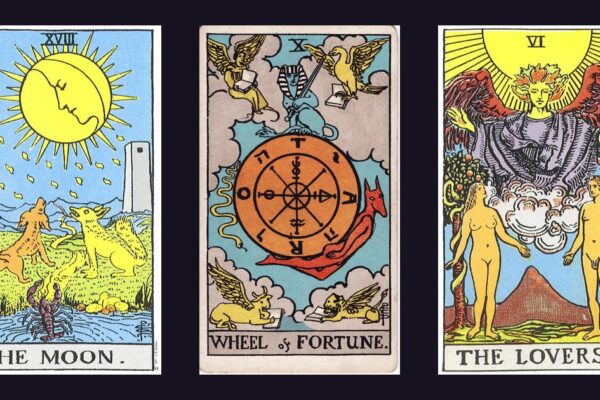
In relationships, we often encounter recurring patterns. If you’re grappling with a significant choice in a partnership, or seeking to understand the underlying dynamics, The Lovers card might appear. This card, beyond simple romance, often speaks to choices, values, and alignment. It asks: “Are your values aligned? Are you making choices that truly reflect your authentic self in this partnership?” It encourages honest self-reflection about commitment, personal boundaries, and the core principles that bind or separate you and another person.
Regulating Emotional Swings with the Temperance Card
Emotional regulation is a constant practice. When feeling overwhelmed by extremes – either too much passion or too much apathy – drawing the Temperance card can be a powerful guide. Temperance, with its imagery of gentle blending and balance, suggests finding the middle path. It encourages patience, moderation, and the integration of opposing forces within yourself. Perhaps it’s a call to blend active engagement with quiet contemplation, or intense emotions with calm detachment. It’s about finding your inner equilibrium, much like a skilled alchemist blending elements for transformation, rather than allowing one extreme to dominate.
The High Priestess and the Inner Sanctuary
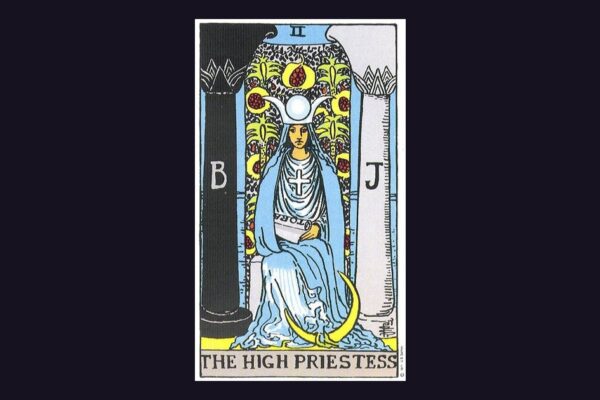
While the allure of a quick “yes” or “no” from the cards is understandable, especially in moments of anxiety, it often bypasses the true power of the Tarot. The deck, particularly through archetypes like The High Priestess, invites us into a deeper, more nuanced conversation with our inner landscape. She doesn’t offer simple answers; instead, she guards the mysteries, encouraging introspection and the development of intuition. A simple binary reading often shuts down this essential dialogue before it even begins, reducing a rich symbolic language to a mere coin toss.
The Hermit’s Lantern: When to Seek Guidance Beyond Self-Practice
Engaging with the Tarot is a profoundly personal journey, and for many, self-practice is a powerful tool for self-discovery and insight. It allows us to build a direct relationship with the symbolism and develop our intuitive muscles. However, there are times when the Hermit’s lantern, shining on our path, reveals a need for external guidance. If you find yourself consistently stuck on a particular card or spread, if the same unresolved patterns keep emerging, or if the insights feel overwhelming rather than clarifying, it might be time to seek a seasoned Tarot reader or a depth-oriented therapist.
A good Tarot reader doesn’t tell you what to do, but rather helps you interpret the symbols through their own trained lens, offering new perspectives and asking probing questions that you might not consider on your own. Similarly, a therapist, particularly one with a Jungian or archetypal approach, can help you integrate the insights gleaned from your Tarot work into a broader understanding of your psyche and life patterns. They can provide a safe container for exploring the more challenging aspects that the cards might bring to light, ensuring that your spiritual exploration remains grounded and supportive of your overall well-being. Knowing when to reach out is a sign of maturity in your spiritual practice, not a failure of self-sufficiency.
The Chariot: Navigating Your Path with Intention
The Chariot, with its focus on focused will and direction, reminds us that while the Tarot offers guidance, we are ultimately the drivers of our own lives. It’s about harnessing the insights, not being dictated by them. Here’s how to cultivate a more empowering, intentional relationship with your Tarot practice:
- Formulate Open-Ended Questions: Instead of “Will I get the job?”, try “What aspects of myself should I focus on to excel in my career aspirations?” or “What challenges might I face in pursuing this opportunity and how can I best prepare?”
- Embrace the Narrative: Look at how the cards in a spread tell a story. What is the beginning, the rising action, the climax, and the potential resolution? How do they interact and influence each other?
- Journal Your Readings: Document not just the cards, but your initial reactions, subsequent reflections, and any actions you take based on the insights. This creates a powerful record of your growth.
- Connect to Your Body: Pay attention to physical sensations that arise during a reading. Does a particular card evoke a sense of unease or expansion? This somatic feedback is a crucial part of intuition. For more on this, consider exploring the nuances of pranayama.
- Research Symbolism: Don’t rely solely on the little white book. Explore different interpretations of the cards from various authors and traditions. The more you understand the symbolic language, the richer your readings will be.
- Practice Patience and Observation: Insights often unfold over time. Revisit past readings with fresh eyes and observe how the themes play out in your life.
- Set Clear Boundaries: Understand that the Tarot is a tool for self-reflection and guidance, not a fortune-telling machine. It reflects possibilities and probabilities based on current energies, but your free will remains paramount.
- Integrate, Don’t Isolate: See Tarot as one thread in the rich tapestry of your spiritual and psychological exploration. It complements other practices like meditation, dream work, and journaling.
By approaching the Tarot with curiosity, respect, and a commitment to inner work, you transform it from a simple oracle into a profound mirror for your soul, offering not just answers, but deeper understanding and empowered choice.
Frequently Asked Questions
Can tarot cards predict my future?
Tarot cards don’t predict a fixed future in the sense of a crystal ball. Instead, they offer insights into current energies, potential outcomes based on present choices, and unconscious patterns, much like a psychological assessment might illuminate tendencies.
Is it okay to ask ‘yes or no’ questions to the tarot?
While you can technically phrase a ‘yes or no’ question, it severely limits the rich, nuanced guidance tarot offers. The RWS (Rider-Waite-Smith) system, for example, is designed for storytelling and exploring complexities, not for simple binary answers.
How can I get more detailed answers from my tarot readings?
Focus on open-ended questions that invite reflection and exploration. Instead of ‘Will I get the job?’, try ‘What aspects of myself should I focus on to excel in this job interview?’ or ‘What challenges might arise if I pursue this career path?’
What’s the difference between a tarot reading and therapy?
Tarot can be a powerful tool for self-reflection and gaining perspective, similar to how journaling or dream analysis might function in a therapeutic context. However, it is not a substitute for professional mental health therapy from a licensed practitioner, which addresses clinical conditions and provides structured psychological interventions.
Are there any ‘bad’ cards in tarot?
No card is inherently ‘bad’ or purely negative. Cards like The Tower or Death, often feared, represent necessary endings, profound transformation, or sudden insights that clear the way for new growth, aligning with Jungian concepts of individuation and shadow integration.
✦
Editorial Standards
Practices on AfterDarkIntuition are researched from depth psychology (Jung), established spiritual traditions, and contemporary therapeutic frameworks. They are for self-reflection and personal growth — not medical, psychiatric, or crisis care. If you are in crisis, please contact a licensed professional or emergency services. About our editorial approach →
Editorial Note
Written for self-reflection and spiritual exploration. Not medical or psychological advice. Our editorial standards →
Written for self-reflection and spiritual exploration. Not medical or psychological advice. Our editorial standards →