Tarot
Aug 2, 2026
·
7 min read
Beyond the Buzz: Finding Your True North in Divination

🕯 5 min read · August 2, 2026
Navigating the Modern Mystical Maze
In our hyper-connected world, where spiritual insights are just a scroll away, it’s easy to feel overwhelmed. TikTok feeds overflow with bite-sized wisdom, Instagram carousels promise instant enlightenment, and every other podcast offers a “master key” to unlocking your destiny. This digital deluge, while democratizing access to ancient traditions like Tarot and astrology, also creates a cacophony of voices, each vying for authority. The sheer volume can be paralyzing, leading many seekers to wonder: how do I discern genuine guidance from fleeting trends? How do I build a practice that truly resonates with my soul, rather than just echoing the latest spiritual influencer?
This isn’t just about choosing a deck or an astrological house system; it’s about establishing a relationship with these profound tools that is both personal and potent. It’s about cultivating an inner compass that can cut through the noise, allowing you to recognize authentic wisdom and discard what doesn’t serve your growth. For many, the journey begins with an attraction to the “hit list” – a curated set of practices or interpretations presented as the definitive truth. But true spiritual sovereignty lies not in adhering to someone else’s highway, but in paving your own path, informed by tradition yet uniquely yours.
The Echoes of Tradition: Foundations, Not Formulas
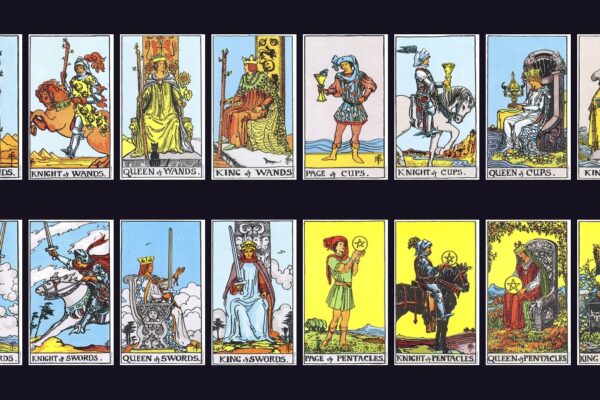
Before we navigate the modern landscape, it’s crucial to understand that divination, in its myriad forms, is rooted in ancient human attempts to understand patterns, meaning, and the unseen forces that shape our lives. Tarot, for instance, isn’t just a collection of pretty pictures; its symbolism is deeply interwoven with Western esoteric traditions, including alchemy, Kabbalah, and Neoplatonism. The Major Arcana, in particular, often reflects the archetypal hero’s journey, a narrative fundamental to human psychology and mythology across cultures.
Astrology, similarly, is not a new age invention but an ancient science-art, with roots in Babylonian, Egyptian, and Hellenistic cultures. Early astrologers meticulously observed planetary movements, correlating them with earthly events and human temperament. The zodiac signs, planetary rulerships, and house systems are not arbitrary constructs but a sophisticated symbolic language developed over millennia to map the celestial dance onto the human psyche and life experience. Understanding these historical and philosophical underpinnings is vital. It moves us beyond simplistic “what’s my sign?” or “what does this card mean?” interpretations, grounding our practice in a rich tapestry of human inquiry. It shows us that while there are established interpretations and correspondences, these are frameworks for understanding, not rigid dogma. The wisdom lies in the patterns, not in a single, unyielding interpretation.
Practical Steps for Cultivating Your Own Divinatory Path
For those feeling overwhelmed by the sheer volume of information or the pressure to adopt a particular “way,” here are actionable steps to build a grounded and personal practice:
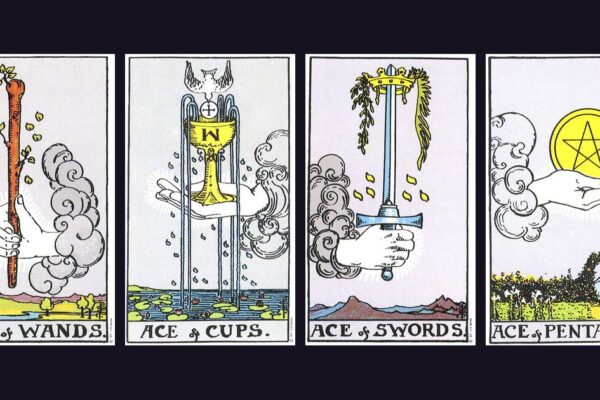
- Start with a Single System: Resist the urge to master Tarot, astrology, numerology, and palmistry all at once. Choose one system that genuinely sparks your curiosity. Dedicate time to understanding its foundational principles before branching out. For Tarot, this might mean focusing solely on the Rider-Waite-Smith deck and a single reputable textbook. For astrology, begin with understanding your natal chart’s core components: Sun, Moon, Ascendant, and their signs.
- Engage with Primary Sources (Where Possible): While modern interpretations are valuable, seek out classic texts or well-researched historical accounts. For Tarot, explore books that delve into the symbolism’s esoteric roots. For astrology, look for works that explain the planetary principles and zodiacal archetypes from a traditional perspective. This provides a robust foundation upon which to build your personal understanding.
- Keep a Divination Journal: This is perhaps the most crucial step. Document every reading or astrological observation. Note the cards drawn, the spread used, your initial interpretation, and how the situation unfolds. For astrology, record transits, progressions, and how they correlate with your experiences. Over time, you’ll begin to see patterns, develop your own intuitive language with the symbols, and discern which interpretations truly resonate for you.
- Practice Active Listening and Reflection: When you pull a card or look at a planetary aspect, don’t just jump to a book meaning. Sit with it. What feelings does it evoke? What images come to mind? How does it relate to your current situation? This active engagement fosters intuition and moves you beyond rote memorization.
- Seek Diverse Perspectives, Not Dogma: Read different authors, listen to various practitioners, but always filter their insights through your own experience and journaled observations. Understand that there are often multiple valid interpretations for a single symbol. Your “hit list” should be a curated library of wisdom, not a set of commandments.
- Trust Your Inner Guidance: Ultimately, these tools are designed to help you access your own inner wisdom. If an interpretation, no matter how popular, doesn’t feel right in your gut, honor that. Your intuition is your most powerful divinatory instrument.
Common Misconceptions: Debunking the Divinatory Dogma
In the quest for clarity, it’s easy to fall prey to common misconceptions that can hinder a truly empowering practice:
- “There’s One Right Way to Interpret”: This is perhaps the most pervasive and damaging misconception. While there are traditional meanings, the beauty of divination lies in its flexibility and ability to speak to the individual. A card like the Tower, often associated with destruction, can also signify liberation from outdated structures. The interpretation is often contextual and deeply personal.
- “Divination Predicts a Fixed Future”: Neither Tarot nor astrology foretells an unchangeable destiny. Instead, they illuminate current energies, potentials, challenges, and opportunities. They offer insights into the probable trajectory based on present conditions, but human free will and conscious choice always play a role in shaping the future. They are tools for self-awareness and empowerment, not crystal balls.
- “You Need Special Psychic Abilities”: While some practitioners have heightened intuitive gifts, anyone can learn to read Tarot or understand basic astrology. It’s a skill developed through study, practice, and cultivating self-awareness. The “magic” lies not in supernatural powers, but in the symbolic language that taps into the collective unconscious and your own inner knowing.
- “Good Readings are Always Positive”: A truly insightful reading will reflect both the light and shadow aspects of a situation. Sometimes, the most challenging cards or astrological transits offer the greatest opportunities for growth and transformation. A reader who sugarcoats everything is not serving your highest good.
- “You Must Follow a Specific Guru or System”: While learning from experienced teachers is invaluable, beware of any system that demands absolute adherence or discourages independent thought. The goal is to become your own authority, not to blindly follow another’s.
Ultimately, the “hit list” for a truly profound divinatory practice isn’t about rigid rules or a singular highway. It’s about cultivating a relationship with these ancient tools that is both deeply rooted in tradition and uniquely informed by your own intuition and experience. It’s about learning the language, then speaking your own truth through it.
Topic inspired by a discussion first seen at The Tarot Lady.
This page describes what the Tarot tradition teaches and how people practise it. It is not a prediction and not medical, psychiatric or crisis advice. How we research and write · report an error