Tarot
Aug 1, 2026
·
18 min read
Queer Perspectives in Modern Tarot Decks
🕯 15 min read · August 1, 2026
You’ve been scrolling through social media, perhaps admiring the stunning artwork of new tarot decks, and a question keeps nudging at the back of your mind: “Are there Sapphic Tarot decks?” It’s a query born from a desire for representation, for seeing one’s own experiences and relationships reflected in the cards that offer guidance and insight. You’re not just looking for pretty pictures; you’re seeking a resonant tool, a mirror to your inner world that acknowledges the full spectrum of love and identity. This article will delve into the landscape of LGBTQIA+ inclusive tarot, exploring its history, its psychological underpinnings, and practical considerations for choosing and working with decks that speak to the Sapphic experience.
We’ll move beyond surface-level aesthetics to understand how these decks function as powerful conduits for self-discovery and spiritual connection, offering a complete and practical guide to navigating this vibrant corner of the tarot world. Prepare to discover how the ancient wisdom of tarot is being reinterpreted and expanded to embrace and empower the diverse tapestry of human affection.
The Empress, the Lovers, and the Sword of Spirit: Defining Sapphic Tarot
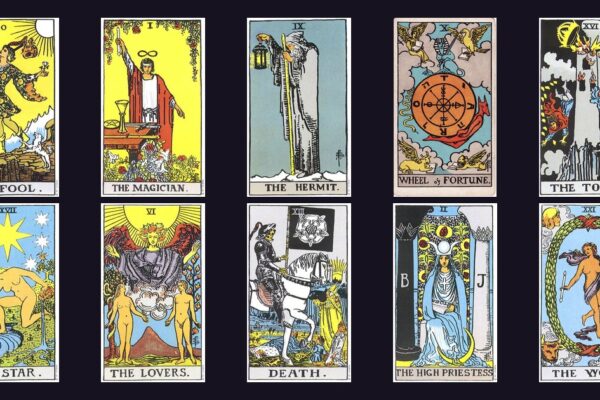
To understand what constitutes a “Sapphic Tarot deck,” we must first acknowledge the historical context of tarot itself. The earliest known tarot decks, emerging in 15th-century Italy, were often allegorical, reflecting societal norms and religious iconography of their time. The Rider-Waite-Smith (RWS) deck, published in 1909 and illustrated by Pamela Colman Smith under the direction of A.E. Waite, became the foundational system for modern tarot, deeply influencing countless subsequent decks. While revolutionary for its time, the RWS deck, like many of its predecessors, largely depicted heterosexual relationships and gender binaries, reflecting the dominant cultural narratives. The archetype of “The Lovers,” for instance, traditionally portrays a man and a woman, often with an angel overhead, symbolizing union and choice within a heteronormative framework.
The concept of “Sapphic Tarot” arises from a conscious effort to challenge and expand these traditional representations. It’s not about inventing a new system of divination, but rather about reimagining the existing archetypes and narratives to include and affirm LGBTQIA+ identities and experiences. This movement gained significant momentum in the late 20th and early 21st centuries, mirroring broader societal shifts towards greater inclusivity. From a depth-psychological perspective, Carl Jung’s concept of archetypes is particularly relevant here. Jung proposed that archetypes are universal, archaic patterns and images that derive from the collective unconscious. While the manifestations of these archetypes can vary across cultures and individuals, their core energetic imprint remains. A Sapphic Tarot deck, then, doesn’t negate the archetypal essence of The Empress (nurturing, abundance) or The Emperor (authority, structure); instead, it expands their visual and narrative representation to encompass queer expressions of these fundamental human experiences. It acknowledges that nurturing can come from a non-binary parent, or authority can be wielded by a woman in a same-sex partnership, thus making the archetypes more accessible and personally resonant for a broader audience.
Modern psychology, particularly in fields like queer psychology and identity development, highlights the profound importance of representation for mental well-being and self-acceptance. When individuals see themselves reflected positively in cultural artifacts, including spiritual tools, it fosters a sense of belonging and validation. A Sapphic Tarot deck, therefore, serves not just as a divinatory tool but as a therapeutic one, offering mirrors for queer love, struggle, triumph, and identity. It allows for a deeper, more authentic engagement with the tarot’s wisdom, as the querent can project their own lived experiences onto the cards without having to translate or ignore incongruent imagery. This intentional re-gendering and re-contextualizing of traditional tarot imagery is a powerful act of affirmation, moving beyond mere “diversity” to truly embody inclusivity at an archetypal level.
The Fool’s Journey and the Mirror of Self: Essential Concepts for Engagement
Before diving into specific decks, there are fundamental ideas you’ll want to grasp to fully appreciate and utilize Sapphic Tarot. These concepts lay the groundwork for a more profound connection with the cards and your own inner landscape.
- Archetypal Resonance: Understand that tarot archetypes are universal, but their expressions are fluid. The “Mother” archetype, for instance, isn’t limited to a cisgender woman. It can represent a non-binary caregiver, a chosen family elder, or the nurturing aspect within any individual, regardless of gender identity. Sapphic decks simply offer visual pathways to these broader interpretations.
- Symbolic Interpretation vs. Literal Representation: While Sapphic decks offer direct representation, remember that all tarot is symbolic. A card depicting two women in love doesn’t *only* speak to lesbian relationships; it speaks to partnership, intimacy, choice, and connection, which are universal themes. The specific imagery simply makes these themes more accessible and relatable for a Sapphic querent.
- The Power of Projection: As Jungian psychology teaches, we often project our inner world onto external symbols. A deck that visually aligns with your identity allows for a more direct and less obstructed projection, fostering a deeper, more authentic dialogue between your conscious and unconscious self.
- Beyond Binary: Many Sapphic decks embrace a spectrum of gender identities and expressions, moving beyond the traditional male/female binary. This can enhance your understanding of gender as a construct and expand your perception of self and others.
- Intuitive Connection: Ultimately, the “right” deck is the one you resonate with. Trust your intuition when choosing. The imagery should evoke a sense of recognition, comfort, or curiosity, inviting you into a conversation with the cards.
- Historical Context of Queerness: Be aware that queer experiences are not new. Many Sapphic decks draw inspiration from historical figures, mythological narratives, and artistic traditions that have long expressed same-sex love and gender diversity, often subtly or in coded ways. This adds layers of depth and ancestral connection to your readings.
Reading Your First Sapphic Tarot Spread, Tonight
Diving into a new tarot deck, especially one that resonates deeply with your identity, can be both exciting and a little daunting. Here’s a simple, actionable spread you can try tonight to connect with your new deck and yourself.
- Choose Your Sacred Space: Find a quiet corner where you won’t be disturbed. Clear any clutter, light a candle if it feels right, and perhaps play some gentle, instrumental music. This isn’t about elaborate rituals, but about creating an intentional space for reflection.
- Center Your Energy: Take three deep, slow breaths. Inhale through your nose, hold for a moment, and exhale slowly through your mouth. Allow your shoulders to relax and your mind to settle. This simple grounding technique, akin to those taught in MBSR, helps you be present.
- Shuffle and Connect: Hold your deck in your hands. Feel its weight, the texture of the cards. Think about what drew you to this particular Sapphic deck. As you gently shuffle, silently ask the deck to speak clearly to you, to reveal insights that serve your highest good.
- Lay the “Current Self, Desired Self, Path” Spread: Once you feel ready, draw three cards. Place the first card on the left, the second in the middle, and the third on the right. The first card represents your current energy or situation, the second your desired state or aspiration, and the third offers guidance on how to move from the first to the second.
- Interpret Intuitively: Look at each card. What images stand out to you? What emotions do they evoke? Don’t worry about memorizing every traditional meaning yet. For example, if you draw the Queen of Swords in the “Current Self” position, you might feel a call to intellectual honesty or a need to set clear boundaries. Allow your intuition to guide your initial interpretation.
- Journal Your Reflections: Write down the cards you drew and your initial thoughts about each. How do they relate to your life right now? What insights did you gain? This practice helps solidify your understanding and allows you to track your journey with the deck over time.
When the Cards Don’t Speak: Troubleshooting Common Tarot Tribulations
The Cards Feel Flat or Unresponsive
Sometimes, despite your best intentions, the cards just don’t seem to offer clear messages. This often happens when we’re either overthinking the process or approaching it with too much expectation. Instead of forcing an interpretation, try engaging with the cards on a purely visual level. Look at the artwork: what colors dominate? What expressions do the figures hold? What symbols are present? Sometimes, the most profound messages come not from intellectual analysis but from a simple, open observation of the imagery itself. Consider also if you’re truly present; sometimes a quick grounding exercise, like those explored in Iyengar yoga, can help bring you back into the moment.
Overwhelming Emotions from Difficult Cards
Encountering cards like the Tower, Death (which is rarely about physical death), or the Ten of Swords can be unsettling, especially in a deck that reflects your personal journey. It’s crucial to remember that tarot is a mirror, not a prophecy of doom. These cards often point to necessary endings, transformations, or the release of old patterns. If a card evokes strong negative emotions, acknowledge them, then ask yourself: “What is this card inviting me to release? What change is it highlighting as inevitable or necessary?” Osho’s stages of meditation often emphasize allowing feelings to surface without judgment, and this approach can be valuable here too.
Conflicting Interpretations Between Cards
It’s not uncommon for cards in a spread to seem to contradict each other, leading to confusion rather than clarity. This isn’t a flaw in the cards, but often an indication of internal conflict or a nuanced situation. Instead of trying to force a single, cohesive narrative, look for the tension. Where is the friction? What opposing forces are at play in your life? Carl Jung’s concept of the “shadow” reminds us that conflicting aspects are part of the human experience. The cards might be highlighting a need for integration or a deeper understanding of these opposing energies within yourself.
Difficulty Connecting with Specific Sapphic Imagery
While a Sapphic deck is chosen for its resonance, occasionally a particular card’s imagery might not immediately click or might even feel alien. Perhaps a depiction of a relationship doesn’t quite match your experience, or a symbol feels obscure. When this happens, don’t dismiss the card. Instead, engage with it through active imagination. How might *you* reinterpret this card’s message through your own lens? What personal experiences or archetypes from the LGBTQ+ community could lend new meaning to the image? Sometimes, the most personal interpretations arise when we allow ourselves to creatively engage with the symbolism presented.
Feeling Stuck in the “Meaning” of a Card
It’s easy to get caught up in memorizing the traditional RWS meanings and feel like you’re “doing it wrong” if your intuition doesn’t align. While traditional meanings provide a valuable framework, they are not rigid laws. Your personal connection to the cards, especially with a deck chosen for its specific resonance, is paramount. If you feel stuck, try looking at the card without its name or number. What story does the image tell *you*? What feelings does it evoke? The Elder Futhark runes, for instance, have core meanings but are also open to highly personal interpretation based on the context of the reading and the querent’s life.
Weaving Tarot Wisdom into Daily Life: Work, Relationships, and Emotional Navigation
Navigating Workplace Dynamics with the Empress and Queen of Pentacles
Imagine you’re facing a challenging project at work, perhaps one that requires both creativity and meticulous organization. Drawing the Empress might suggest tapping into your nurturing, creative, and abundant aspects. How can you approach this project with more innovation and less rigidity? Paired with the Queen of Pentacles, she might advise you to ground your creative ideas with practical planning and diligent execution. This isn’t about predicting a promotion, but about consciously embodying these archetypal energies to enhance your professional approach. Perhaps you decide to delegate tasks in a more supportive way or to bring a fresh perspective to a stagnant team meeting, inspired by the Empress’s generative spirit.
Fostering Deeper Connections with the Two of Cups and the Lovers
In relationships, tarot can offer profound insights into dynamics and growth. If you pull the Two of Cups in relation to a friendship or romantic partnership, it speaks to mutual respect, connection, and shared emotion. The question then becomes: “How can I actively cultivate this mutual exchange today?” This might mean initiating an open conversation, expressing appreciation, or truly listening without judgment. If the Lovers card appears, it might highlight a significant choice or a need for alignment of values within the relationship. This could prompt a discussion with your partner about shared goals or a personal reflection on what truly matters to you both, moving beyond superficial interactions to a deeper, more conscious connection.
Emotional Regulation Through the Chariot and Strength
For emotional regulation, cards like the Chariot and Strength can be powerful guides. If you’re feeling overwhelmed or pulled in many directions, the Chariot suggests a need for self-discipline, focus, and direction. It’s not about suppressing emotions, but about consciously steering your internal landscape. This might translate into setting clear boundaries, practicing mindful breathing when anxiety arises, or committing to a consistent self-care routine. The Strength card, with its image of gentle power and inner fortitude, encourages you to meet your emotions with compassion and resilience. Instead of fighting difficult feelings, it asks you to acknowledge them, understand their source, and integrate them with wisdom, much like an Ubud’s Breathwork practice allows emotions to flow without being consumed by them.
The Hermit’s Lamp: Knowing When to Seek Guidance
While the intimate connection forged with a Sapphic Tarot deck can be profoundly illuminating for self-exploration, there are moments when the wisdom of another perspective becomes invaluable. Just as the Hermit card in the Rider-Waite-Smith (RWS) deck, often depicted with a lamp, symbolizes inner guidance, it also reminds us that even the wisest among us benefit from the light cast by others. Self-practice is a powerful container for introspection, allowing you to process personal narratives and explore identity without external pressure. It fosters intuition and self-reliance, which are cornerstones of a resilient spiritual path.
However, if your readings consistently leave you feeling more confused than clarified, or if you find yourself looping through the same unresolved emotional patterns, it might be time to consider a different kind of support. A skilled tarot reader, particularly one who understands the nuances of queer experience, can offer an objective lens, helping you to see patterns you might be too close to discern yourself. They can introduce you to new spreads, interpretations, and ways of framing questions that unlock fresh insights.
For deeper, more persistent emotional or psychological challenges that surface during your tarot work, a licensed therapist or counselor can provide a safe and structured environment for healing. Carl Jung, whose work on archetypes deeply influenced modern tarot interpretation, emphasized the importance of integrating unconscious material. A therapist can guide you through this process with professional tools, such as cognitive behavioral therapy (CBT) or dialectical behavior therapy (DBT), which are designed to address core issues effectively. The deck can act as a powerful diagnostic tool, highlighting areas that need deeper attention, but it is not a substitute for professional mental health support. Think of it as your internal compass, pointing you towards the landscapes that need exploration, sometimes with a trusted guide.
The Empress’s Bounty: Integrating Your Insights
After journeying through the rich landscapes of Sapphic Tarot, the ultimate goal is not just to understand, but to embody these insights. The Empress, a card of creation, nurturing, and fertile abundance, reminds us that true wisdom blossoms when it is brought into the tangible world. Here’s how to cultivate that harvest:
- Journal Your Journey: Keep a dedicated journal for your Sapphic Tarot readings. Note the date, the question asked, the cards drawn, your initial impressions, and any subsequent reflections or actions taken. This creates a personal archive of your growth.
- Create Affirmations: Transform key messages from your readings into daily affirmations. For example, if the Strength card appears, affirming “I embody inner strength and compassion in all my interactions” can reinforce its lesson.
- Practice Mindful Integration: Before and after readings, take a few moments for mindful breathing. This helps anchor the insights into your present moment awareness. Consider exploring practices like MBSR (Mindfulness-Based Stress Reduction) to deepen this skill.
- Engage with Community: Share your experiences (appropriately and with consent) with trusted friends or within queer-affirming spiritual communities. Hearing diverse perspectives can enrich your understanding and validate your journey.
- Explore Archetypal Connections: Look for the archetypes present in your readings in your daily life, in literature, or even in dreams. This strengthens the bridge between the symbolic world of tarot and your lived experience.
- Set Intentions Based on Guidance: Don’t just read the cards; act on their wisdom. If a reading suggests a need for better boundaries, set a concrete intention to practice saying “no” in a specific situation.
- Connect with Your Body: The wisdom of the cards often resonates deeply within us. Incorporate movement practices like Iyengar yoga, which emphasizes precise alignment, to help ground and integrate your spiritual insights physically. You might find further inspiration on this topic in articles like Grounding Your Practice: Yoga’s Foundational Roots.
- Revisit and Reflect: Periodically review old journal entries and readings. You’ll be amazed at how new layers of meaning emerge as you evolve, revealing a continuous dialogue with your deck.
Engaging with Sapphic Tarot is a continuous, evolving conversation with your deepest self, a sacred mirror reflecting your unique path and potential.
Frequently Asked Questions
What defines a ‘Sapphic Tarot Deck’?
A Sapphic Tarot deck is one that intentionally features and celebrates lesbian, bisexual, and queer women, and non-binary individuals who identify with sapphic experiences, in its artwork and interpretive themes. These decks often reinterpret traditional archetypes through a queer lens, offering representation and nuanced perspectives on relationships, identity, and spirituality.
Are Sapphic Tarot decks just for LGBTQ+ people?
While Sapphic Tarot decks are created with queer women and non-binary individuals in mind, their themes of identity, relationships, self-discovery, and empowerment are universal. Many people, regardless of their sexual orientation, find these decks offer fresh perspectives and rich symbolism that resonate with their own journeys.
Are there any well-known Sapphic Tarot decks I can explore?
Absolutely. Popular examples include ‘The Queer Tarot’ by Ashley Lukashevsky and Umi Hsu, ‘The Next World Tarot’ by Cristy C. Road, and ‘The Many Queens Tarot’ by V. Medina. These decks often reimagine traditional Rider-Waite-Smith (RWS) symbolism with diverse, inclusive, and empowering imagery.
How do Sapphic decks differ from traditional decks like the RWS?
The primary difference lies in representation and thematic emphasis. While the RWS often depicts heteronormative or gender-ambiguous figures, Sapphic decks consciously center queer women and their experiences, exploring themes of chosen family, resilience, and love within a queer context, enriching the archetypal meanings for a specific audience.
Can I use a Sapphic Tarot deck for general readings?
Yes, absolutely. Like any other tarot deck, Sapphic decks are powerful tools for self-reflection, introspection, and gaining insight into various life situations. The archetypes and symbolism remain potent, and the diverse imagery can sometimes offer even deeper or more relatable interpretations for a wider range of experiences.
This page describes what the Tarot tradition teaches and how people practise it. It is not a prediction and not medical, psychiatric or crisis advice. How we research and write · report an error