Tarot
Jul 29, 2026
·
7 min read
Beyond the Wall: Tarot, Archetypes, and the Throne We Seek
🕯 5 min read · July 29, 2026
The Call of the Crown: Why Westeros Still Holds Us
In a world saturated with fleeting trends and ephemeral digital distractions, few narratives have gripped the collective imagination quite like the saga of Westeros. Even years after its televised conclusion, the intricate dance of power, prophecy, and profound human struggle continues to resonate. Why? Because at its heart, Game of Thrones isn’t just a fantasy epic; it’s a mirror reflecting the eternal archetypes that shape our own lives. From the yearning for justice to the corrupting allure of power, from the sacrifices made for love to the chilling specter of winter, these are the very currents that flow through the human experience, and indeed, through the symbolic language of the Tarot.
It’s no surprise, then, that the world of Westeros has become an unexpected muse for Tarot enthusiasts. This isn’t about mere pop culture appropriation; it’s an intuitive recognition that the archetypal forces at play in the Seven Kingdoms are ripe for exploration through a system designed to illuminate precisely these dynamics. When we pull cards with the struggles of the Starks, Lannisters, or Targaryens in mind, we’re not just playing a game; we’re tapping into a rich vein of symbolic meaning, using a familiar cultural touchstone to deepen our understanding of ourselves and the universal patterns that govern our paths.
Beyond the Screen: Tarot as a Timeless Narrative Engine
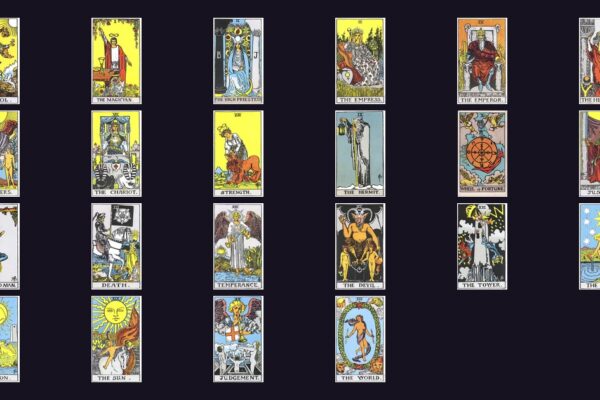
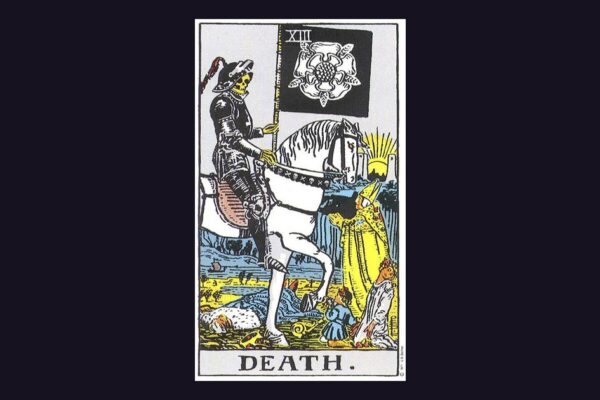
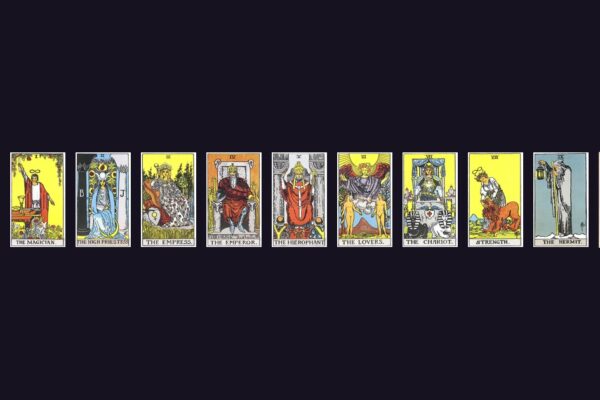
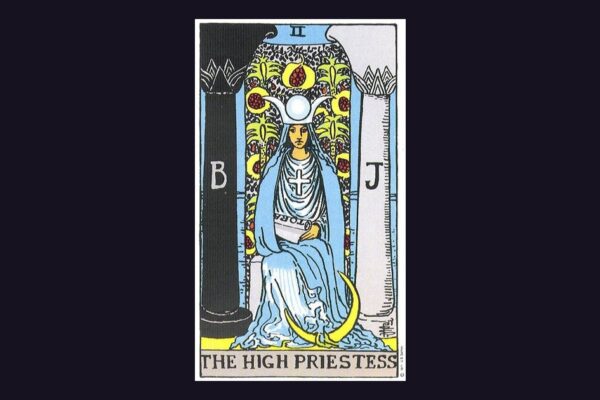
To understand why a “Game of Thrones Tarot spread” holds more than novelty appeal, we must first appreciate Tarot’s deeper roots. Tarot isn’t a modern invention; its origins stretch back to 15th-century Italy, where it emerged not as a divinatory tool, but as a parlor game for the aristocracy. These early decks, known as carte da trionfi (cards of triumph), featured allegorical figures representing virtues, vices, and social hierarchies. The Major Arcana, with its iconic figures like the Emperor, the High Priestess, and Death, were not initially intended for predicting the future, but for philosophical contemplation and a kind of symbolic storytelling.
It was only much later, in the 18th and 19th centuries, that figures like Antoine Court de Gébelin and Éliphas Lévi began to infuse Tarot with esoteric and divinatory significance, linking it to Egyptian mysteries, Kabbalah, and alchemy. This rich, evolving history underscores Tarot’s fundamental nature: it is a system of archetypal imagery and narrative potential. Each card, particularly within the Major Arcana, embodies a universal human experience, a stage in the soul’s journey, or a fundamental force at play in the world. When we apply this framework to a narrative as complex and archetypal as Game of Thrones, we’re not stretching its purpose; we’re returning to Tarot’s inherent function as a mirror for epic human drama.
Crafting Your Own Westeros Quest: A Guided Spread
While specific “Game of Thrones spreads” abound online, the true power lies in understanding the principles behind them and crafting one that speaks to your own inquiries. Here’s a grounded approach, designed to invite profound self-reflection rather than simple fortune-telling. This spread is best used when you are facing a significant challenge, seeking to understand complex dynamics in your life, or exploring your own personal “quest for the throne” – be it a career goal, a relationship aspiration, or a spiritual awakening.
The Iron Throne Spread: A Seven-Card Journey
This spread uses seven cards, each representing a crucial aspect of your personal “Game of Thrones.” Shuffle your deck with your specific query in mind, focusing on a particular challenge or ambition. Draw the cards one by one, placing them in the following positions:
- The North (Your Foundation/Past Influences): What are the deep-seated beliefs, family legacies, or past experiences that form the “winter” of your current situation? What ancestral strengths or burdens do you carry? (Think House Stark’s enduring values or their historical struggles.)
- King’s Landing (Your Current Domain/Public Persona): How are you currently perceived? What is the outward manifestation of your power or influence? What are the political landscapes and alliances (or rivalries) you navigate daily? (Consider the intricate power plays and public image management in the capital.)
- Dragonstone (Hidden Power/Unacknowledged Potential): What untapped resources, latent talents, or unacknowledged wisdom do you possess? What “dragon eggs” are waiting to hatch within you? (Reflect on Daenerys’s slow burn from exile to dragon queen.)
- The Wall (Your Greatest Challenge/Protective Barrier): What is the formidable obstacle standing between you and your “throne”? What fears or external forces threaten your progress? Alternatively, what protective mechanism have you built that might now be holding you back? (Consider the Night’s Watch’s eternal vigilance or the emotional walls we erect.)
- The Riverlands (External Allies/Adversaries): Who are the key players in your current narrative? Who supports you, and who opposes you? What external forces are at play that you need to be aware of? (Think of the ever-shifting alliances and betrayals in the heart of Westeros.)
- Beyond the Narrow Sea (Your Vision/Distant Horizon): What is the ultimate “Throne” you seek? What is your grand vision for the future, and what legacy do you aspire to leave? What is the ideal outcome you are striving for? (Consider Daenerys’s unwavering vision of reclaiming her birthright.)
- The Iron Throne (The Path Forward/Your Next Move): What essential action or shift in perspective is required to navigate your challenges and move closer to your vision? What is the most crucial piece of wisdom or strategy for your immediate future? (This card offers direct guidance on how to “play the game” effectively.)
As you interpret each card, don’t just assign a simple meaning. Consider the card’s traditional symbolism, your intuitive reaction, and how it directly relates to the corresponding “Westeros” position. Allow the narrative of the cards to unfold, much like the chapters of a complex story.
Beyond Fan Fiction: The Deeper Resonance
It’s crucial to distinguish between playful fan engagement and genuine depth work. A “Game of Thrones Tarot spread” is not about predicting whether you’ll marry a Targaryen or inherit a castle. It’s a metaphorical framework. The “throne” you seek might be mastery over your emotions, a successful creative project, or a deeper connection with your true self. The “White Walkers” are not literal ice zombies, but the pervasive fears or destructive patterns that threaten to overwhelm your inner kingdom.
The true value lies in using a relatable narrative to access and process your own internal landscape. By casting yourself as the protagonist in your own epic, and using the Tarot as your ancient, insightful maester, you gain a fresh perspective on your struggles, your strengths, and the strategic choices that lie before you. This is not about escapism; it is about using the power of story to illuminate the very real dramas unfolding in your personal quest.
Ultimately, whether you’re navigating the political machinations of a career or confronting personal dragons, the archetypes of Westeros, when filtered through the wisdom of the Tarot, offer a potent lens for self-discovery. The Iron Throne may be a fictional seat of power, but the quest for sovereignty over one’s own life is a timeless and deeply personal journey that Tarot is uniquely equipped to illuminate.
Topic inspired by a discussion first seen at New Age Hipster.
This page describes what the Tarot tradition teaches and how people practise it. It is not a prediction and not medical, psychiatric or crisis advice. How we research and write · report an error