Tarot
Aug 6, 2026
·
16 min read
Tarot & Lunar Cycles: Crafting a Moon Phase Pouch
🕯 13 min read · August 6, 2026
You’ve seen them: those beautiful, often handmade, pouches adorned with crescent moons, full moons, and everything in between. Perhaps you’ve even bought one, hoping it would imbue your tarot deck with a little extra magic, a deeper connection to lunar cycles. But then what? Does simply owning a moon phase pouch automatically elevate your readings, or is there a way to consciously engage with its symbolism to truly enhance your intuitive practice?
This article isn’t about mere aesthetics; it’s about unlocking the practical, energetic potential of a moon phases tarot pouch. We’ll explore its historical roots, its psychological resonance through a Jungian lens, and offer concrete, actionable steps to integrate lunar wisdom into your daily tarot work, moving beyond simple storage to a profound, intentional partnership with your deck.
The Lunar Vessel: A History of Sacred Containment
The concept of a “moon phases tarot pouch” isn’t an ancient, unbroken tradition passed down through millennia, but rather a beautiful convergence of several potent spiritual currents. Historically, sacred objects – whether ritual tools, holy texts, or divinatory instruments – have always been housed in containers that reflect their significance. Think of the elaborate reliquaries of medieval Europe, the intricately carved boxes for Buddhist thangkas, or the simple yet reverent cloth wraps for Indigenous medicine bundles. These containers were not just for protection; they were extensions of the sacred object itself, imbued with its energy and symbolism. When tarot cards emerged in 15th-century Italy, initially as playing cards, their eventual evolution into divinatory tools naturally led to a desire for respectful storage. Early tarot decks, often hand-painted and precious, would have been kept in wooden boxes, silk wraps, or leather cases – materials that honored their value.
The specific emphasis on “moon phases” in a tarot pouch is a more recent, yet deeply intuitive, development, largely blossoming within the last century as Western esotericism re-embraced lunar cycles as a primary energetic influence. The moon, in almost every ancient culture, has been associated with intuition, the subconscious, cycles, emotions, and the hidden aspects of self. From the Sumerian goddess Nanna to the Greek Selene and Artemis, the moon has been a guiding light in the darkness, a symbol of ebb and flow, growth and release. Carl Jung, the Swiss psychiatrist and founder of analytical psychology, extensively explored the archetypal significance of the moon, linking it to the Anima (the feminine principle in men), the Great Mother, and the unconscious. He understood symbols as living entities that resonate deeply within the psyche, and the moon, with its cyclical nature, perfectly encapsulates the unfolding and retreating processes of inner life. A moon phases pouch, therefore, isn’t just a pretty accessory; it’s a symbolic container that consciously invokes these profound archetypal energies, aiming to attune the deck – and by extension, the reader – to the rhythmic, intuitive currents of the lunar cycle. It’s a modern spiritual technology, drawing on ancient wisdom to enhance a contemporary practice, creating a bridge between the personal unconscious and the collective unconscious, as Jung might describe it.
Before the First Crescent: Essential Lunar & Tarot Principles
Before you even consider which phase to align with your next reading, there are foundational concepts that will deepen your understanding and practice. These aren’t just intellectual exercises; they are frameworks for engaging with the subtle energies that a moon phases pouch aims to amplify.
- The Moon’s Archetypal Resonance: Beyond its astronomical reality, the moon functions as a powerful archetype in the collective unconscious. As Jung detailed, archetypes are universal, archaic patterns and images that derive from the collective unconscious and are the psychic counterpart of instinct. The moon archetype embodies intuition, the subconscious, emotions, cycles, receptivity, reflection, and the mysterious, often hidden, aspects of life. Understanding this deep symbolic language allows you to move beyond surface-level interpretations of moon phases.
- The RWS Tarot’s Esoteric Foundations: The Rider-Waite-Smith (RWS) Tarot, designed by A.E. Waite and illustrated by Pamela Colman Smith, is steeped in esoteric symbolism, including astrological and Kabbalistic correspondences. While not explicitly dictating moon phases for storage, its very structure encourages a symbolic, multi-layered approach to interpretation. Recognizing the RWS deck as a system of archetypes and symbolic narratives prepares you to engage with other symbolic systems, such as lunar phases, in a meaningful way.
- Cyclical vs. Linear Time: Modern Western society largely operates on a linear understanding of time, focused on progression and accumulation. Many spiritual traditions, however, view time as cyclical, mirroring natural rhythms like the seasons, the tides, and the moon phases. Embracing a cyclical perspective helps you understand that growth isn’t always forward; sometimes it’s about reflection, release, and renewal, just like the moon’s journey from new to full and back again.
- Intention as an Energetic Anchor: In practices like Iyengar yoga, intention (sankalpa) is not just a wish, but a deeply held resolve that directs energy. Similarly, in mindfulness-based stress reduction (MBSR), intentional focus is key to cultivating awareness. When working with a moon phases pouch, your conscious intention—why you are choosing a particular phase, what you hope to achieve—becomes a powerful energetic anchor, transforming the pouch from a mere container into a ritual tool.
- The Deck as an Extension of Self: Many experienced tarot readers view their deck not as a passive object, but as an active partner in their intuitive process. This perspective, akin to how a musician views their instrument, fosters a relationship of respect and conscious engagement. When you see your deck as an extension of your own subconscious and intuition, the act of housing it in a moon phase pouch becomes an act of honoring and attuning that intuitive partnership.
Your Moon Phase Tarot Pouch: A Nightly Ritual
Creating a dedicated moon phase tarot pouch isn’t just about storage; it’s about imbuing your practice with intention, aligning your readings with the ebb and flow of lunar energies. This simple yet profound act can transform your relationship with your cards, making each draw feel more connected and meaningful. Here’s how to get started tonight, even if you’re new to both tarot and lunar magic.
- Choose Your Pouch and Deck: Select a small, soft pouch, ideally made from natural fibers like silk, velvet, or cotton. Its color can be chosen to resonate with lunar energies (silver, white, deep blue) or your personal intuition. Then, pick a tarot deck that speaks to you; the Rider-Waite-Smith (RWS) deck is an excellent choice for beginners due to its rich symbolism and widely available resources.
- Cleanse Your Space and Yourself: Before you begin, take a moment to clear your mind and space. You might light a candle, burn a small amount of ethically sourced palo santo or sage, or simply take a few deep breaths, focusing on releasing any tension. This prepares a receptive environment for your ritual.
- Cleanse Your Pouch and Deck: Gently pass your chosen pouch and then your tarot deck through the smoke of your cleansing herb or over a selenite crystal. As you do, visualize any stagnant energy dissipating, leaving them clear and ready for new intentions. You are essentially creating a fresh slate for their purpose.
- Set Your Intention: Hold your empty pouch in your hands and speak your intention aloud or silently. For example: “May this pouch protect my cards and amplify their wisdom, guiding me with the cycles of the moon.” Then, one by one, place your tarot cards into the pouch, feeling their energy.
- Place in Moonlight (Optional but Recommended): If possible, place your newly prepared moon phase tarot pouch where it can receive the light of the moon overnight. Even if the moon isn’t visible, its energy is present. This step charges your pouch and cards with lunar essence, deepening their connection to intuition and cyclical wisdom.
The Faded Crescent: When Your Pouch Loses Its Luster
Neglecting Regular Cleansing
Just like any tool used for spiritual work, your moon phase tarot pouch and the cards within it can absorb ambient energies, becoming “muddy” or less responsive over time. If your readings start to feel muddled, or your connection to the cards weakens, it’s often a sign that a good energetic scrub is needed. Regularly cleansing your pouch and deck—perhaps once a month with the new or full moon—can keep their vibrations clear and potent. A simple smoke cleanse or placing them on a selenite slab overnight works wonders.
Over-Complicating the Ritual
Sometimes, beginners can get caught up in trying to perform every step perfectly, leading to anxiety rather than connection. The beauty of the moon phase tarot pouch ritual lies in its simplicity and intention. If you find yourself feeling overwhelmed by specific timings, elaborate materials, or worrying if you’re “doing it right,” take a step back. The most important elements are your clear intention and a respectful approach. It’s better to do a simple, heartfelt ritual than an elaborate one filled with stress.
Inconsistent Practice
Like any muscle, your intuitive connection strengthens with consistent use. If your moon phase tarot pouch sits unused for long periods, or if your readings are sporadic, you might feel a disconnect when you do return to it. Make an effort to engage with your pouch and cards regularly, even if it’s just a quick single-card draw each night to reflect on your day or set an intention for tomorrow. This consistent interaction builds a relationship with your tools and your inner guidance.
Ignoring Your Intuition About Materials
While suggestions for pouch materials (silk, velvet) and colors are helpful, sometimes our own intuition has a different call. If you feel drawn to a specific fabric, color, or even a small charm to attach to your pouch that isn’t on a “recommended” list, trust that inner nudge. Forcing yourself to use materials that don’t resonate can create a subtle resistance in your practice. Your personal connection to the objects is paramount; if it feels right, it likely is right for you.
Lunar Insights in the Daily Grind: Applying Your Pouch Wisdom
Navigating Workplace Dynamics with the New Moon
Imagine a new project landing on your desk, or a challenging team meeting looming. Instead of reacting impulsively, consider the energy of the New Moon, a time for new beginnings and setting intentions. Before your workday begins, draw a single card from your moon phase tarot pouch, asking, “What energy should I bring to this new project/meeting?” If you draw The Magician, it might suggest focusing on your skills and resources. If it’s The Empress, perhaps nurturing collaboration. This brief moment of reflection can shift your approach from reactive to intentional, helping you navigate professional challenges with greater clarity and purpose.
Deepening Relationships with the Full Moon
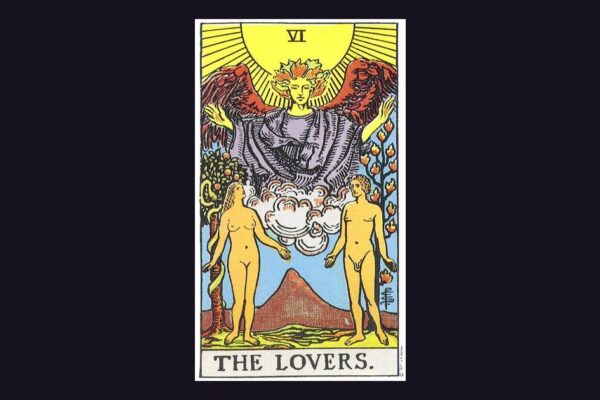
Relationships, both romantic and platonic, thrive on understanding and communication. The Full Moon is a time of illumination, revelation, and bringing things to fruition. If you’re experiencing tension with a loved one, or simply want to deepen your connection, use your moon phase tarot pouch to draw a card with the question: “What hidden dynamic needs to be illuminated in this relationship?” or “How can I express my feelings more fully?” The resulting card, perhaps The Lovers, might suggest a need for conscious choices and open dialogue, or even The Moon, indicating underlying unspoken fears. This practice encourages self-awareness, which is the cornerstone of healthy relational dynamics, allowing for greater empathy and resolution.
Emotional Regulation with the Waning Crescent
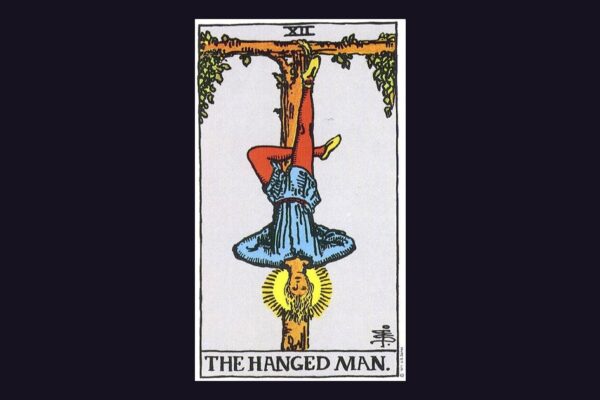
Life inevitably brings stress, anxiety, or moments of emotional overwhelm. The Waning Crescent moon phase is about releasing, letting go, and retreating to gather strength. When you feel emotions bubbling up, instead of suppressing them, try this: hold your moon phase tarot pouch and draw a card, asking, “What emotion am I being asked to release today?” or “How can I gently process this feeling?” A card like The Tower might indicate a need to dismantle old patterns, while The Hanged Man could suggest surrendering to the present moment. This ritual offers a moment of mindful pause, acknowledging your feelings without judgment and providing a symbolic guide for processing them. For those seeking deeper pathways to emotional regulation and presence, exploring practices like those found in finding presence in absence through yoga can be profoundly beneficial.
The Hermit’s Lantern: Knowing Your Edges
While the moon phases tarot pouch offers a deeply personal and accessible path for self-reflection, it’s crucial to understand the distinction between self-guided exploration and the need for external support. The solitary work of self-inquiry, much like the Hermit card in the Rider-Waite-Smith (RWS) deck, illuminates our inner landscape with a focused, personal light. This is invaluable for cultivating intuition, understanding recurring patterns, and developing a nuanced relationship with your own psyche.
However, there are times when even the most dedicated self-practitioner benefits immensely from the guidance of a seasoned teacher or therapist. If your readings consistently bring up feelings of overwhelm, anxiety, or deep sadness that linger, or if you find yourself unable to move past a particular emotional or psychological block, this is a clear signal to seek professional help. A qualified therapist can provide a safe container to process difficult emotions and offer therapeutic frameworks that go beyond what a tarot spread can offer. Similarly, a skilled tarot mentor can help you interpret complex card combinations, offer new perspectives on your readings, and deepen your understanding of esoteric principles in a way that self-study alone might not achieve. Just as Iyengar yoga emphasizes precise alignment to prevent injury and deepen practice, external guidance in spiritual work ensures both safety and profound growth.
Recognizing when to reach out is a sign of wisdom, not weakness. It acknowledges the limits of our individual perspective and embraces the collective wisdom available to us. Sometimes, the most profound insights emerge not from solitary contemplation, but from the reflective mirror of another’s trained perception. Consider, for instance, how a deeper dive into the collective unconscious as revealed by tarot might be enriched by discussing your findings with an experienced Jungian analyst.
Integration: Weaving the Lunar Rhythms into Daily Life
- Daily Lunar Check-in: Briefly reflect on the current moon phase each morning. How might its energy influence your intentions or outlook for the day?
- Intentional Spreads: Choose your tarot spread specifically to align with the moon phase. Use the New Moon for goal-setting spreads, the Full Moon for shadow work or release spreads, and the Waning Moon for reflection.
- Journaling Prompts: Pair your tarot readings with journaling. Document your interpretations, emotional responses, and any insights that arise, noting the specific moon phase for future reference.
- Sacred Space: Designate a small, clean area for your tarot pouch and cards. This physical act of honoring creates a mental and energetic space for your practice.
- Mindful Observation: Pay attention to how your personal energy levels, dreams, and even physical sensations fluctuate with the lunar cycle. This builds a deeper, embodied connection to the practice.
- Intuitive Listening: After drawing cards, pause before interpreting. Allow the images and symbols to speak to your intuition first, rather than immediately jumping to book meanings.
- Regular Cleansing: Periodically cleanse your cards and pouch, perhaps with smoke from ethically sourced palo santo or by placing them under the moonlight during a powerful phase.
The moon phases tarot pouch is more than just a container for your cards; it’s a living altar, a rhythmic guide, and a constant invitation to engage with the cyclical nature of existence and your own unfolding journey.
Frequently Asked Questions
What is the best moon phase for charging my tarot deck?
The Full Moon is traditionally considered the most potent phase for charging your tarot deck, as its peak illumination is believed to imbue tools with powerful energy for clarity and manifestation. Many also find the New Moon beneficial for cleansing and setting intentions for new readings or projects.
Can I use any moon phase to cleanse my tarot cards?
While the New Moon is often favored for deep cleansing and releasing old energies, you can effectively cleanse your tarot cards under any moon phase. The intention you hold during the cleansing ritual is ultimately more impactful than the specific lunar phase.
How does storing my tarot deck in a moon phase pouch enhance its energy?
A moon phase pouch, especially one adorned with specific lunar imagery, serves as a dedicated sacred space for your deck, much like an altar. It acts as a symbolic container, helping to protect the deck’s energy and reinforce its connection to lunar cycles and intuitive wisdom, even when not actively charging.
Is there a specific moon phase I should avoid for tarot readings?
There’s no universally agreed-upon moon phase to strictly avoid for tarot readings. Some practitioners might feel certain phases, like the Balsamic Moon (the very end of the waning cycle), are better suited for introspection rather than active seeking, but this is largely a matter of personal preference and intuitive connection.
Beyond charging, how else can I connect my tarot practice to the moon phases?
You can align your readings with the moon’s rhythm by pulling cards for intention-setting during the New Moon, reflecting on growth during the Waxing Moon, seeking clarity and insight during the Full Moon, and releasing what no longer serves you during the Waning Moon. This creates a cyclical and deeply intuitive practice.
This page describes what the Tarot tradition teaches and how people practise it. It is not a prediction and not medical, psychiatric or crisis advice. How we research and write · report an error